Biodiversity Assessments: Protecting Florida's Unique Ecosystems


Understanding Biodiversity Assessments
Biodiversity assessments are crucial tools used to evaluate the variety of life within a particular ecosystem. In Florida, these assessments are vital due to the state's rich and unique ecosystems, which include everything from coastal mangroves to inland wetlands. Understanding the composition, structure, and function of these ecosystems helps in formulating conservation strategies to protect them.
These assessments involve cataloging species, analyzing habitats, and evaluating ecological interactions. By doing so, scientists and conservationists can identify areas of concern and prioritize them for protection efforts. In Florida, the diverse habitats provide homes to numerous species, many of which are endemic or threatened.
The Importance of Florida's Ecosystems
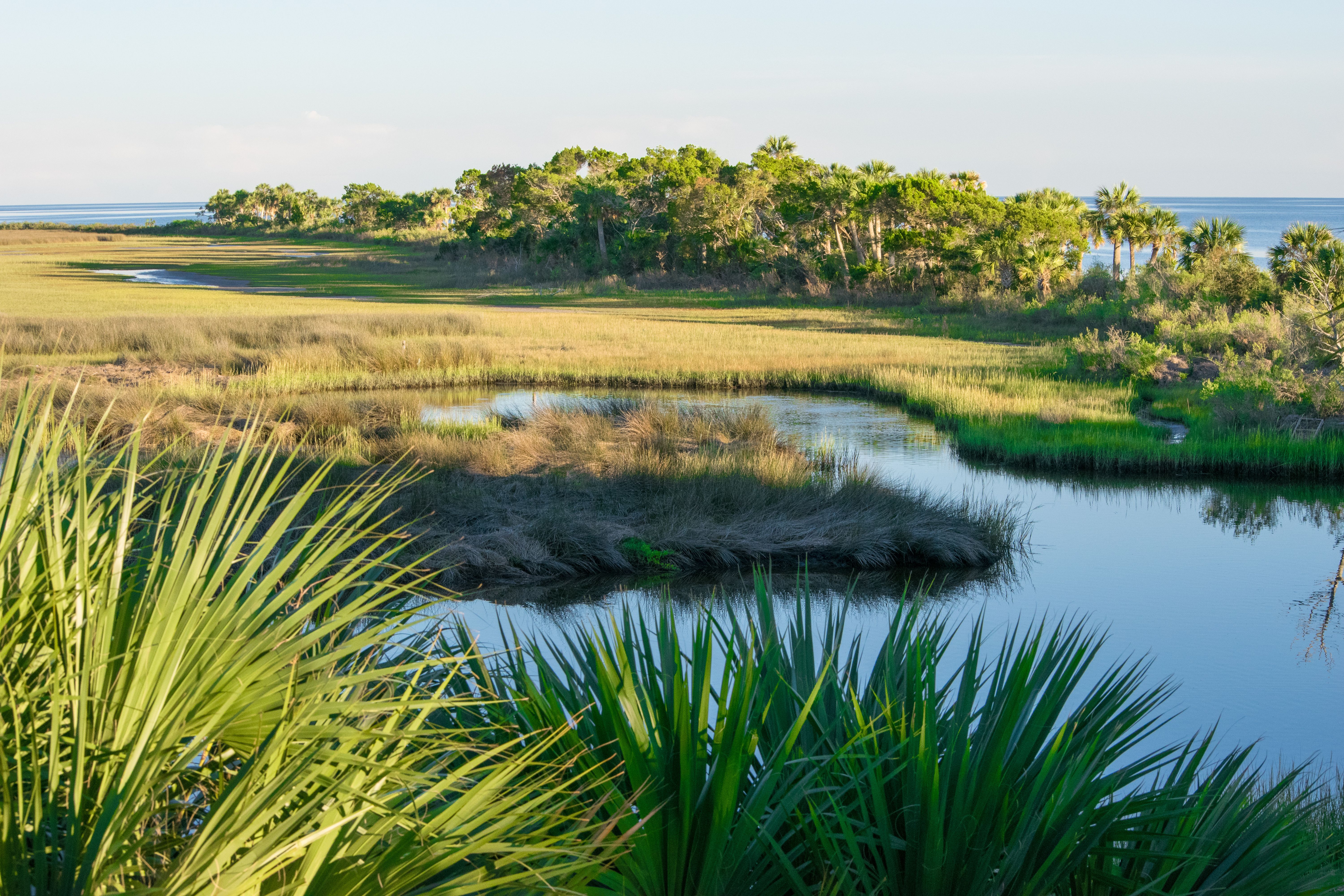
Florida's ecosystems are not only unique but also incredibly diverse. The state is home to the Everglades, one of the most famous wetlands in the world, as well as a range of marine and terrestrial habitats. These ecosystems support a wide array of species, including the Florida panther, manatees, and various bird species. Protecting these habitats is essential for maintaining biodiversity.
Biodiversity assessments in Florida help identify critical habitats that require immediate attention. By understanding which areas are most vulnerable, conservation efforts can be more effectively targeted. This is crucial for ensuring the survival of endangered species and maintaining ecological balance.
Conducting Biodiversity Assessments
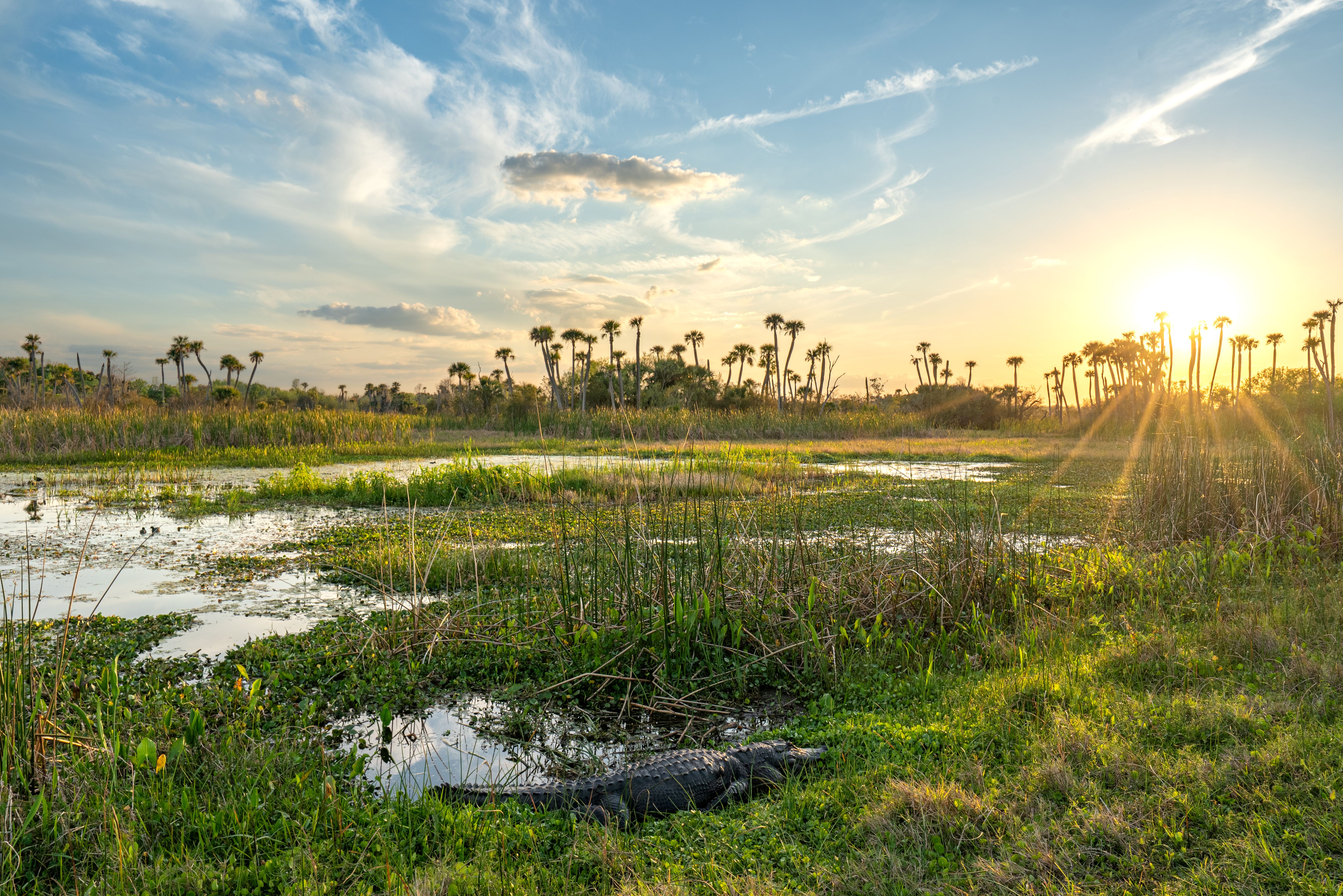
Conducting a biodiversity assessment involves several steps. Initially, experts gather data on species presence and abundance through field surveys and remote sensing technologies. This data is then analyzed to understand the ecosystem's health and resilience. Advanced technologies, such as geographic information systems (GIS), aid in mapping and analyzing spatial data.
In Florida, collaboration between governmental bodies, NGOs, and local communities is essential for the success of these assessments. By working together, these groups can ensure that the data collected is comprehensive and that the resulting conservation strategies are effective.
Challenges in Protecting Florida's Biodiversity
Despite the importance of biodiversity assessments, there are several challenges in protecting Florida's ecosystems. Urban development, climate change, and invasive species are significant threats that can disrupt the delicate balance of these environments. Addressing these challenges requires a multifaceted approach that combines scientific research with policy-making and public awareness.
To combat these threats, Florida has implemented several conservation initiatives. These include habitat restoration projects, stricter regulations on land use, and public education campaigns to promote biodiversity awareness. Such efforts are crucial in mitigating the negative impacts on Florida's ecosystems.
The Role of Public Engagement
Engaging the public is an essential component of successful biodiversity conservation. By raising awareness about the importance of Florida's ecosystems and the threats they face, individuals can become more involved in conservation efforts. Educational programs and community initiatives can foster a sense of responsibility and stewardship among residents.
Public engagement not only supports conservation initiatives but also helps in gathering valuable data for biodiversity assessments. Citizen science projects, where individuals contribute to data collection, can significantly enhance the scope and accuracy of these assessments.