Introduction to Environmental Impact Mitigation
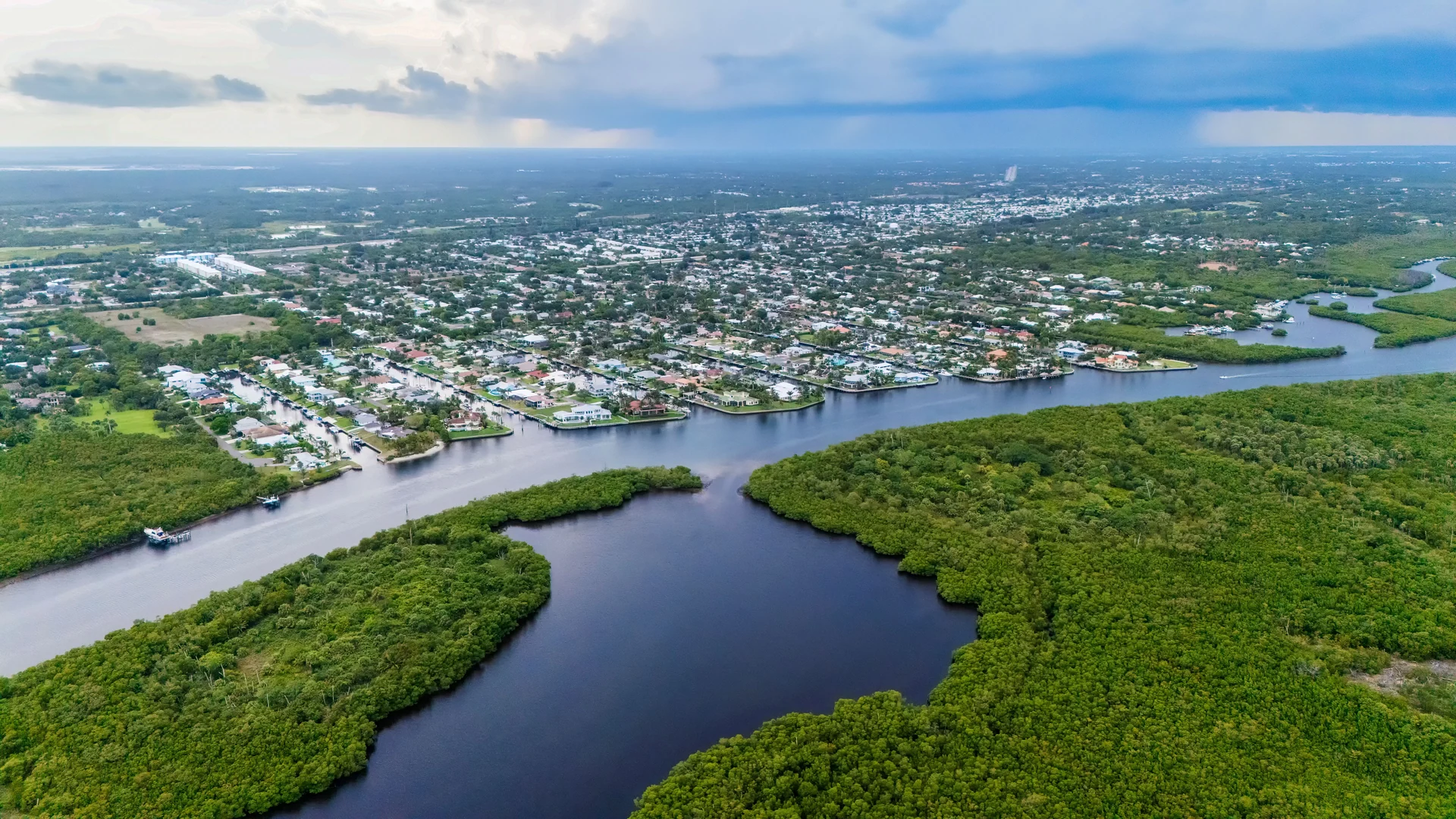
Florida, with its unique ecosystems and diverse wildlife, faces significant environmental challenges. From coastal erosion to habitat loss, the state has implemented various strategies to mitigate these impacts. This case study highlights successful initiatives in Florida, demonstrating how innovative approaches can lead to positive environmental outcomes.
Understanding the delicate balance between development and conservation is crucial. Florida's efforts offer valuable insights into effective environmental management practices that can be applied globally.
Community Involvement and Education
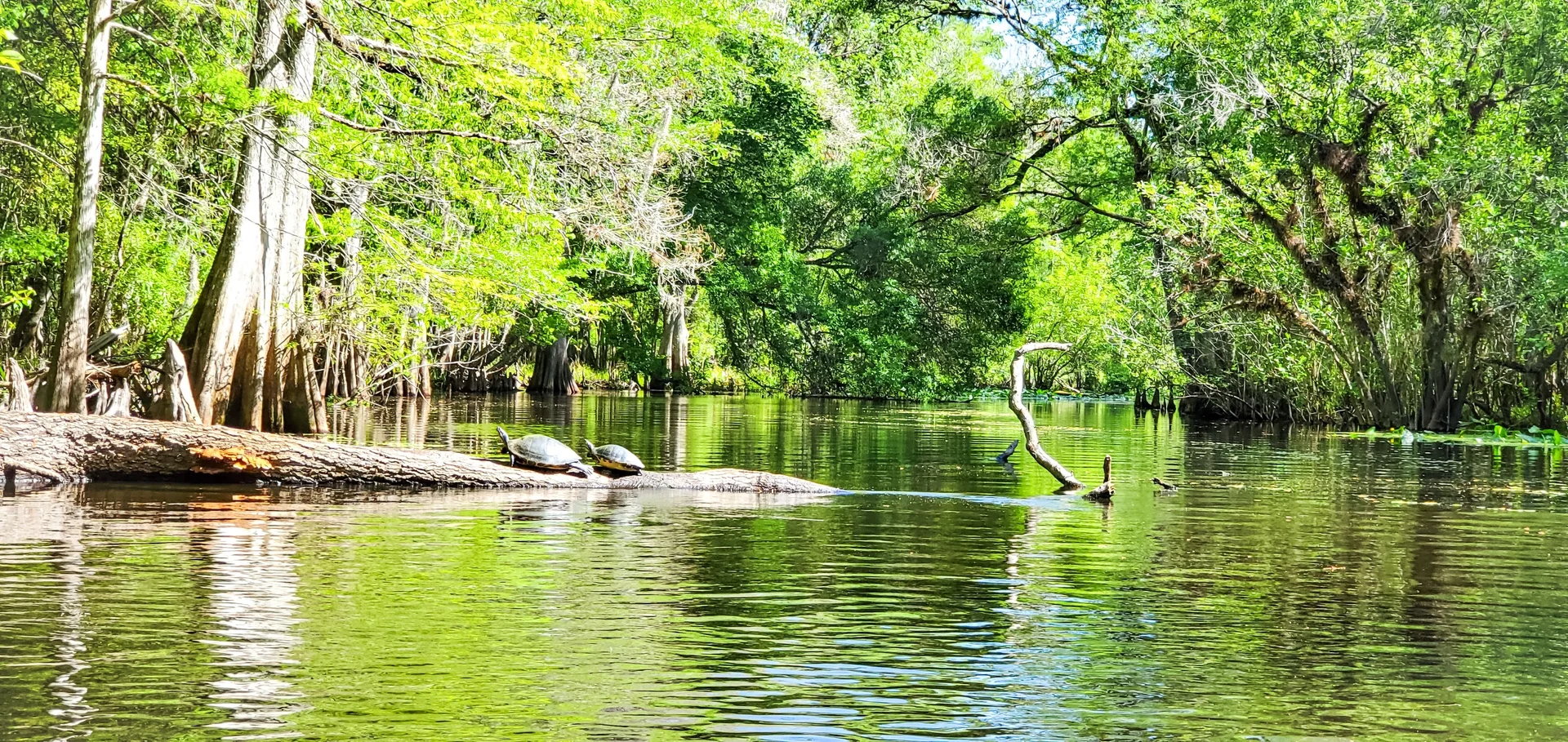
One of the most notable aspects of Florida's environmental success is the emphasis on community involvement and education. By engaging local communities, the state has fostered a sense of stewardship and responsibility. Educational programs have been implemented to raise awareness about the importance of protecting natural resources.
These programs have led to increased participation in conservation efforts, with volunteers playing a significant role in restoration projects. This has not only helped preserve the environment but has also strengthened community bonds.

Restoration Projects
Florida has undertaken several restoration projects aimed at rehabilitating degraded ecosystems. The Everglades Restoration Project, for example, is one of the largest environmental undertakings in the United States. It focuses on restoring natural water flow, improving water quality, and protecting wildlife habitats.
Such initiatives have shown significant progress, with improved biodiversity and healthier ecosystems. These projects are often supported by a combination of public and private funding, emphasizing the importance of collaboration.
Innovative Technologies and Practices
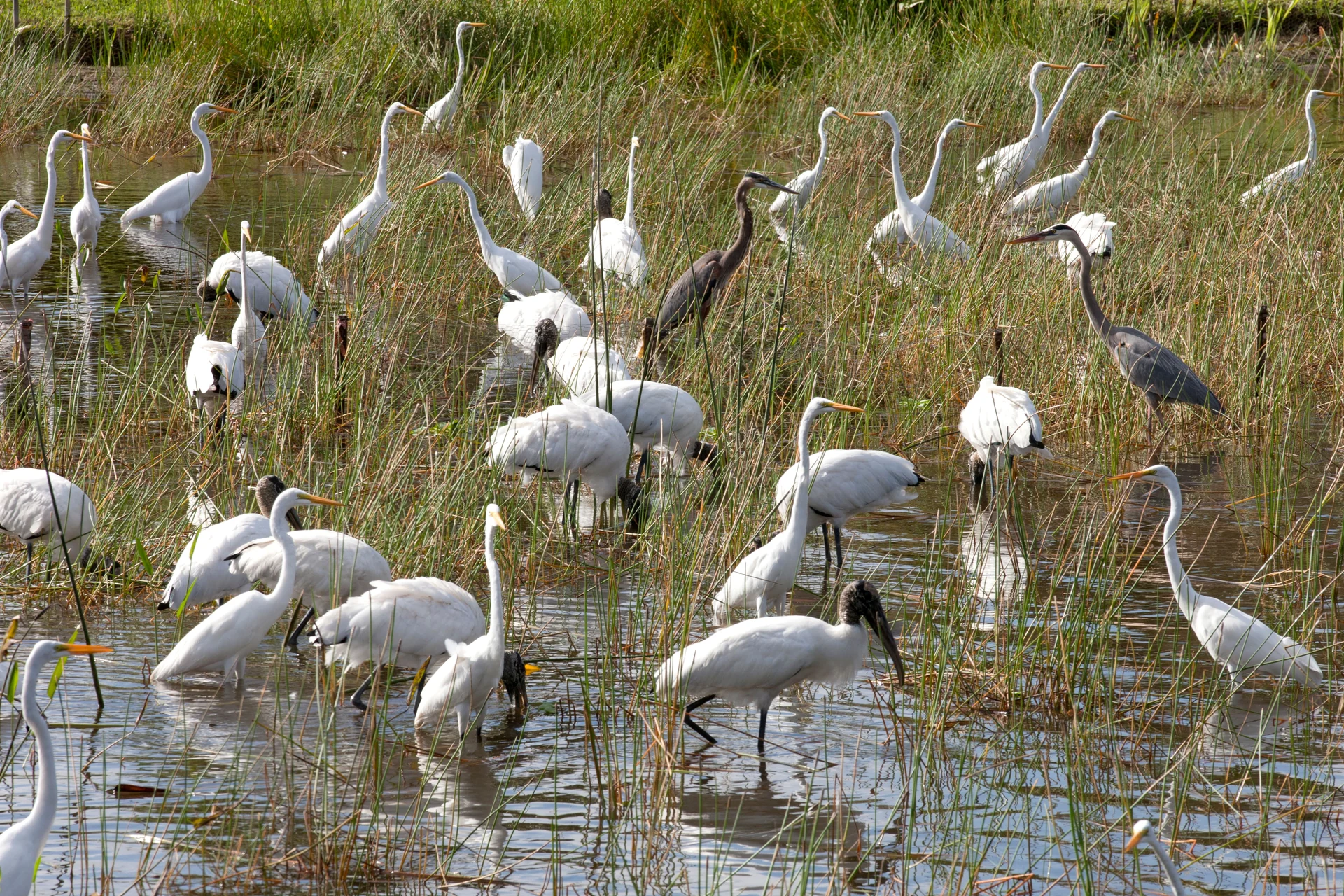
Incorporating innovative technologies has been a game-changer in Florida's environmental strategy. From utilizing drones for monitoring wildlife to deploying advanced water management systems, technology has enhanced the efficiency and effectiveness of mitigation efforts.
For instance, the use of artificial reefs has successfully promoted marine life and reduced coastal erosion. These structures provide essential habitats for marine organisms, contributing to the overall health of ocean ecosystems.
Policy and Legislation
Strong policy frameworks and legislation have been fundamental to Florida's success in environmental impact mitigation. The state has enacted laws that enforce strict regulations on pollution, land use, and resource management. These laws are designed to ensure sustainable development while protecting natural habitats.
The enforcement of these regulations has been supported by regular monitoring and assessment, enabling timely interventions when necessary. This proactive approach has been instrumental in maintaining ecological integrity.

Conclusion: A Model for Success
Florida's comprehensive approach to environmental impact mitigation serves as a model for other regions facing similar challenges. By combining community involvement, technological innovation, and robust policy frameworks, the state has successfully addressed various environmental issues.
These efforts have not only preserved Florida's natural beauty but have also set a precedent for sustainable environmental practices worldwide. As other regions look to replicate this success, the lessons learned from Florida's initiatives will undoubtedly play a crucial role in shaping future conservation efforts.
Part of the EcoGuardian journal. This article retains its original publication context; references to grants, regulations, research, and services may have changed since publication.