Introduction to Walton County's Environmental Challenge
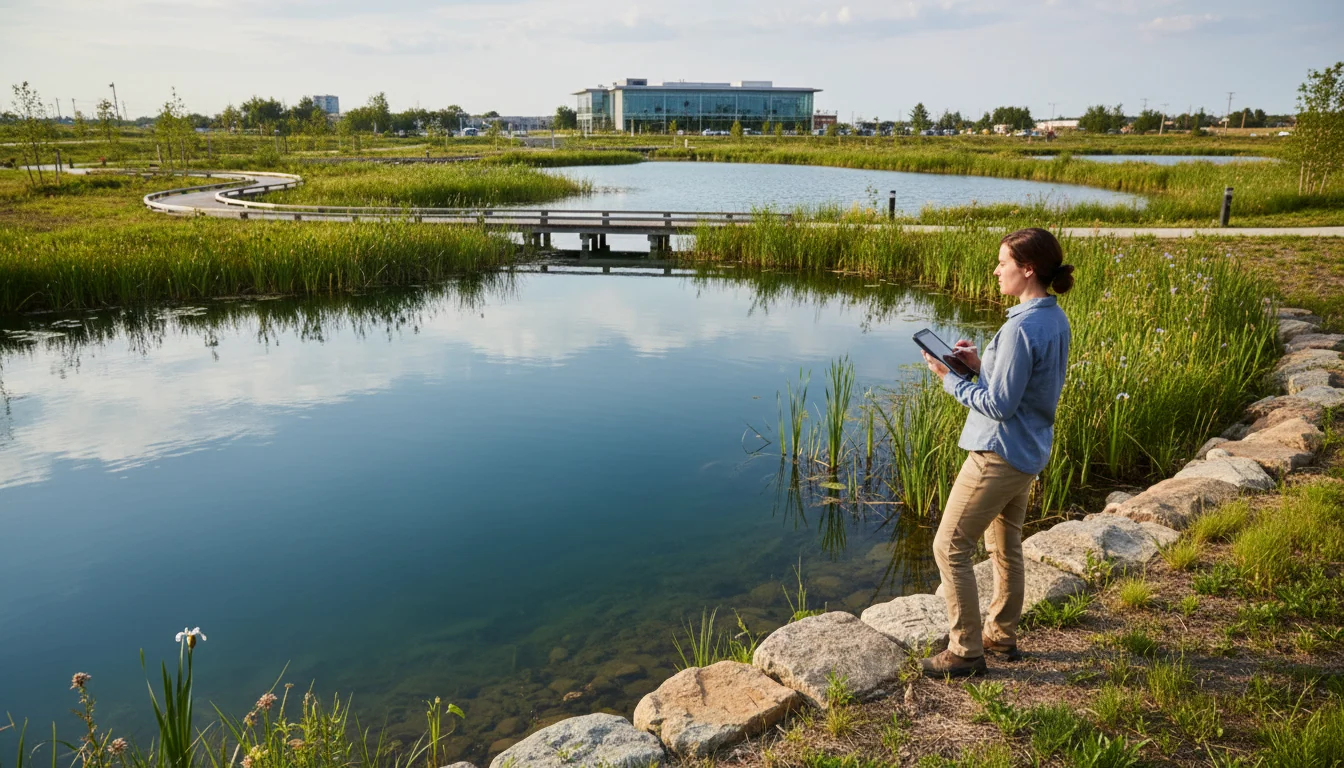
Walton County faced significant environmental challenges over the past decade, primarily due to rapid urbanization and industrial activities. The county's natural resources were at risk, necessitating a comprehensive approach to mitigate the environmental impact.
This case study explores how Walton County successfully implemented strategies to protect its environment while fostering sustainable development. The initiatives undertaken serve as a model for other regions facing similar challenges.

The Strategic Approach to Mitigation
Community Engagement
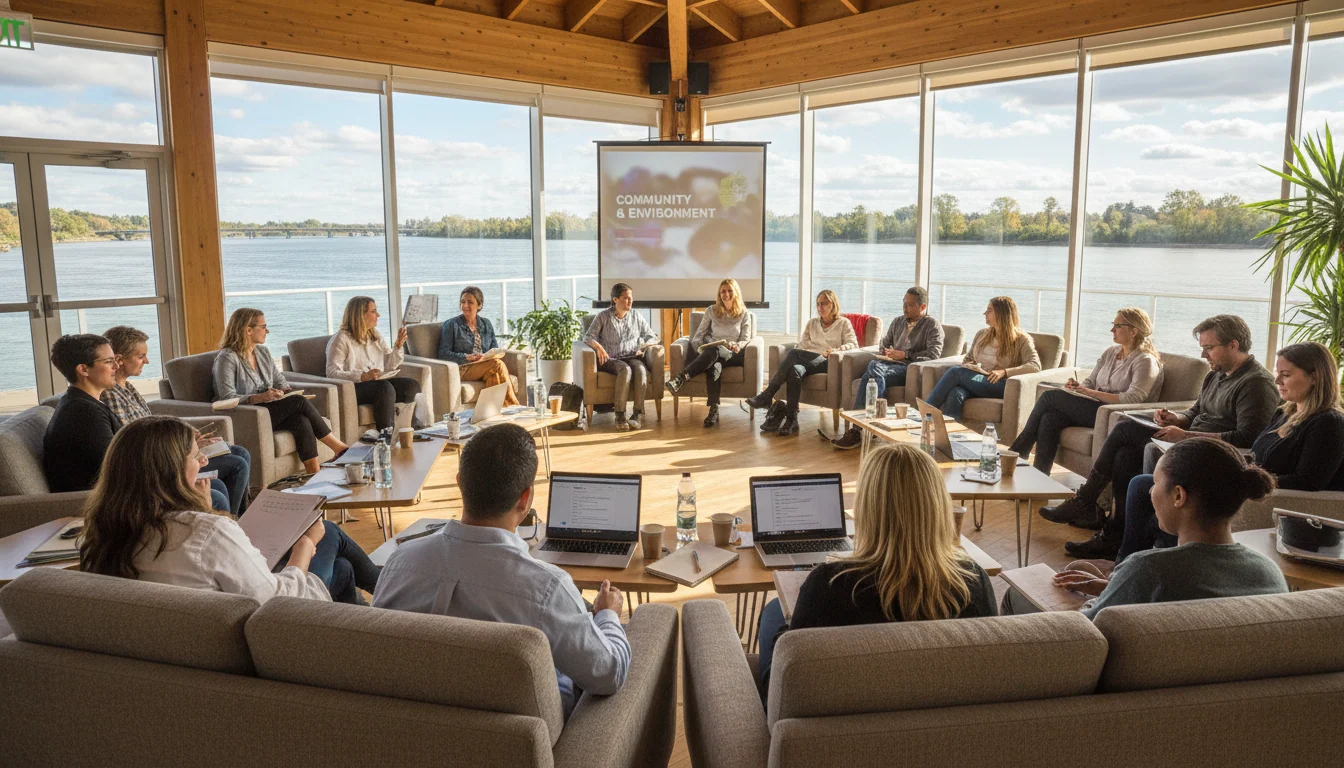
One of the key strategies was engaging the local community. Walton County authorities understood that successful environmental projects require active participation from residents. Public forums and workshops were organized to educate citizens on the importance of environmental conservation.
Through these efforts, community members became more involved in local decision-making processes, leading to more effective and sustainable outcomes. This grassroots involvement was crucial in fostering a sense of ownership and responsibility towards the environment.
Innovative Technologies
Adopting innovative technologies played a vital role in Walton County's environmental impact mitigation. The county invested in advanced monitoring systems to track pollution levels and identify potential threats in real-time. This proactive approach allowed for timely interventions, minimizing damage to the ecosystem.
Additionally, renewable energy projects were launched, reducing reliance on fossil fuels. Solar panels and wind turbines were installed in various parts of the county, significantly decreasing carbon emissions and promoting clean energy.

Partnerships and Collaborations
Walton County also prioritized forming partnerships with environmental organizations and educational institutions. Collaborations with universities enabled research on local biodiversity, leading to more informed conservation efforts.
These partnerships facilitated knowledge exchange and provided access to resources that were otherwise unavailable. Environmental NGOs played a crucial role in guiding policy development and implementation, ensuring alignment with global sustainability standards.
Outcome and Benefits
The results of Walton County's mitigation efforts have been remarkable. There has been a noticeable improvement in air and water quality, while local wildlife populations have begun to recover. The initiatives have also led to economic benefits by creating green jobs and attracting eco-conscious tourists.
Moreover, Walton County's success story has inspired neighboring regions to adopt similar approaches, amplifying the positive environmental impact on a larger scale.
Conclusion: Lessons Learned
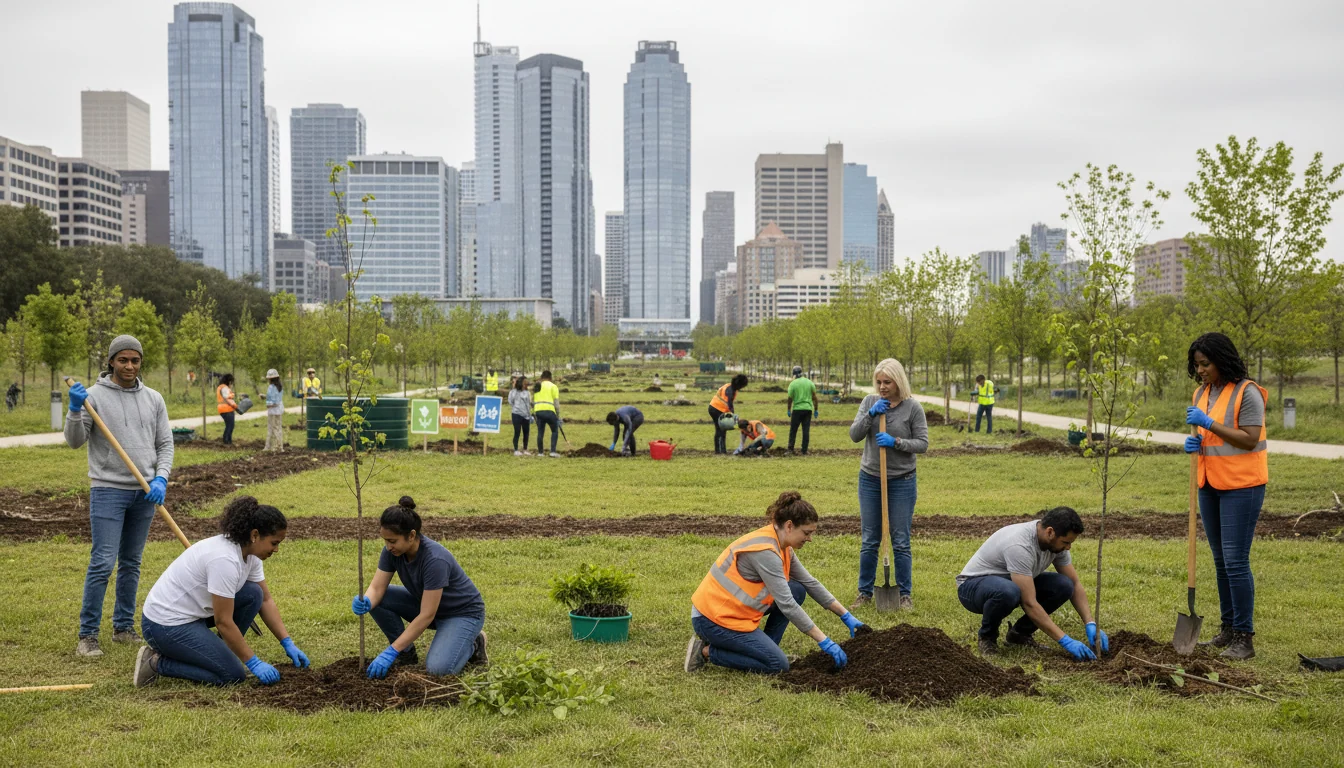
Walton County's journey highlights the importance of a multifaceted approach to environmental impact mitigation. By engaging the community, leveraging technology, and forming strategic partnerships, the county has set a precedent for sustainable development.
These efforts underscore the possibility of achieving economic growth without compromising environmental integrity. As other regions look to replicate Walton County's success, the lessons learned here will prove invaluable in shaping a sustainable future.
Part of the EcoGuardian journal. This article retains its original publication context; references to grants, regulations, research, and services may have changed since publication.