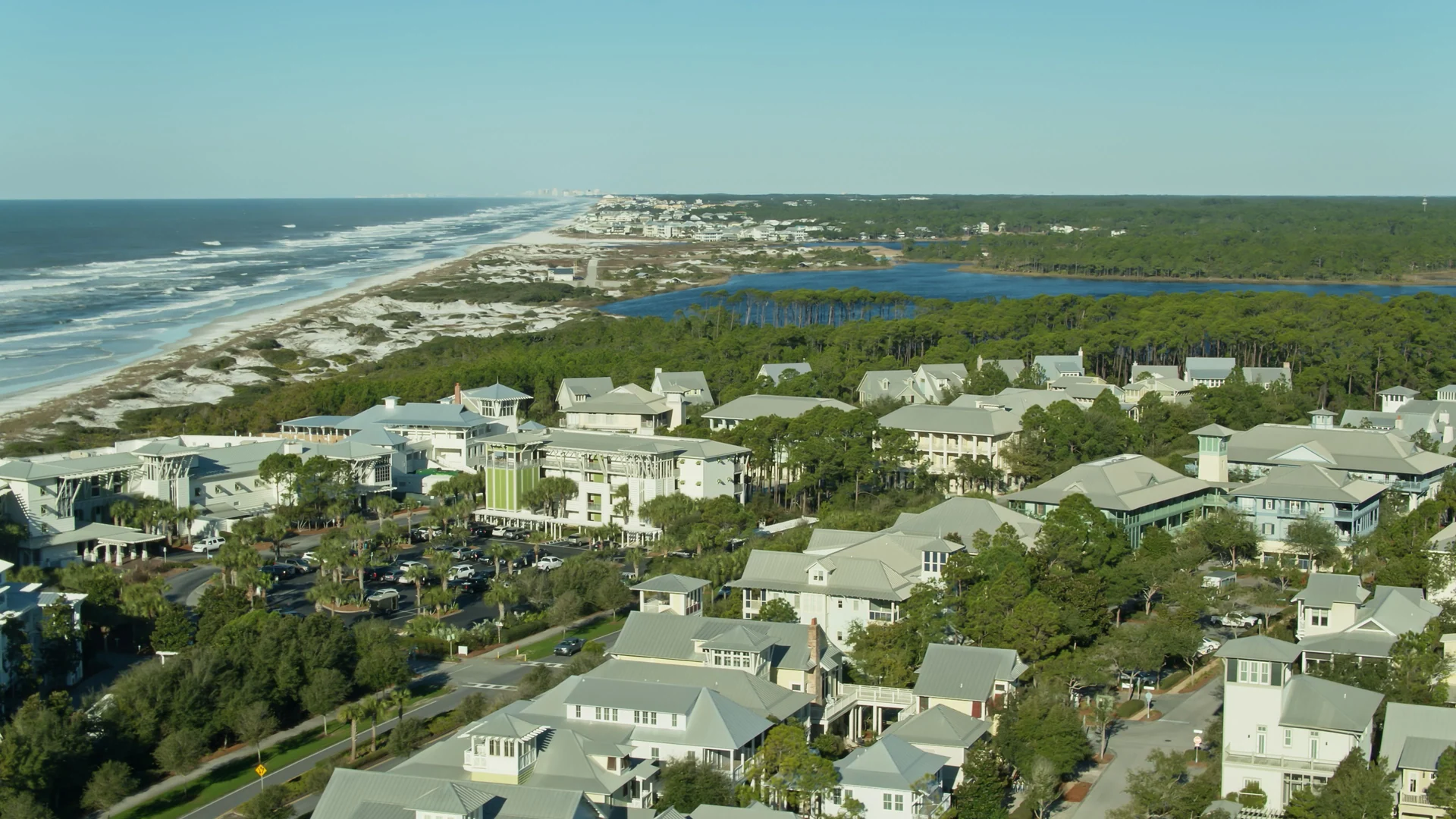
Introduction to the Walton County Project
Environmental mitigation is an essential aspect of modern development projects, ensuring that ecosystems are protected and preserved. A recent project in Walton County serves as a prime example of how effective mitigation strategies can be implemented successfully. This case study explores the various stages and outcomes of this project, highlighting its significant achievements.

The Challenge
Walton County faced a complex challenge as it sought to balance economic development with environmental preservation. The project area was home to a variety of habitats and wildlife species, necessitating a comprehensive mitigation strategy. The main goal was to minimize the environmental impact while enabling sustainable growth.
Identifying Key Environmental Concerns
Before any development could begin, a thorough environmental assessment was conducted. This assessment identified several key concerns, including the preservation of wetlands, protection of endangered species, and maintenance of water quality. Addressing these concerns was crucial for the project's success.

Strategic Planning and Implementation
The project team collaborated with environmental experts and local authorities to design a robust mitigation plan. This plan included several innovative strategies tailored to the unique needs of the Walton County ecosystem. By incorporating both traditional and modern techniques, the team was able to address the identified concerns effectively.
Innovative Mitigation Techniques
Among the various techniques employed, the project utilized:
- Wetland Restoration: Rehabilitating degraded wetlands to support native flora and fauna.
- Wildlife Corridors: Establishing pathways for species to migrate safely across developed areas.
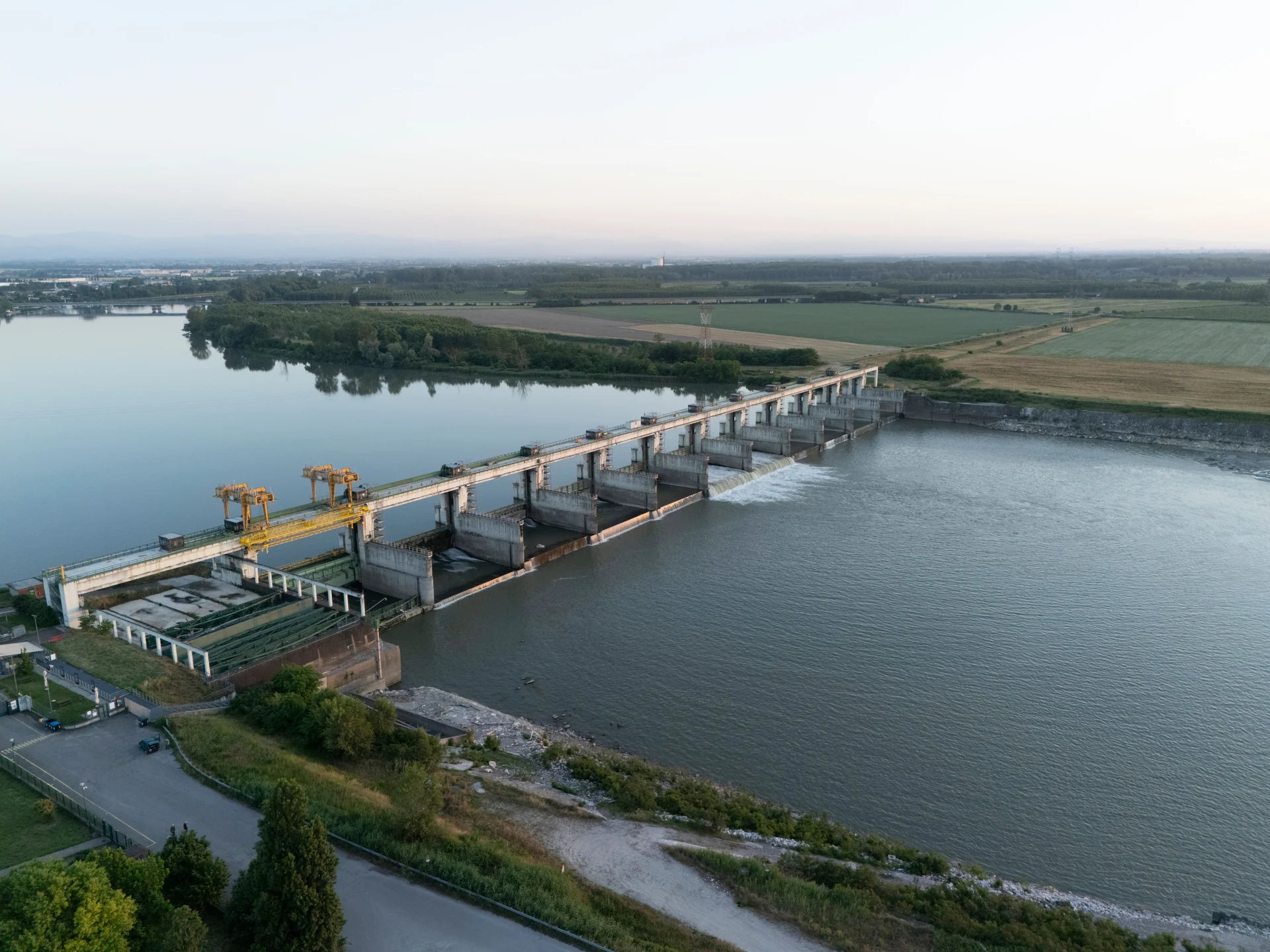
- Water Management Systems: Implementing advanced systems to maintain water quality and prevent pollution.
Outcomes and Achievements
The Walton County project has been hailed as a success, with significant positive outcomes for both the environment and the community. Through careful planning and execution, the project achieved its primary goal of sustainable development without compromising ecological integrity.
Environmental Benefits
The project led to the restoration of over 100 acres of wetlands, which has significantly increased biodiversity in the area. Additionally, the creation of wildlife corridors has allowed for the safe passage of numerous species, contributing to their long-term survival.
Community Impact
Beyond environmental gains, the project has also positively impacted the local community. It has created job opportunities, enhanced recreational spaces, and promoted awareness about the importance of environmental stewardship. The Walton County project stands as a testament to how development and conservation can coexist harmoniously.

Conclusion
The Walton County project serves as an exemplary model for future development initiatives. By prioritizing environmental mitigation, the project not only achieved its sustainability goals but also set a new standard for responsible development. As communities worldwide continue to face similar challenges, the lessons learned from this project can inspire and guide effective environmental strategies.
Part of the EcoGuardian journal. This article retains its original publication context; references to grants, regulations, research, and services may have changed since publication.