
Introduction
Wetland restoration is a crucial component in the fight against climate change and the preservation of biodiversity. Walton County has emerged as a shining example of successful wetland restoration, showcasing the benefits of a dedicated and strategic approach.
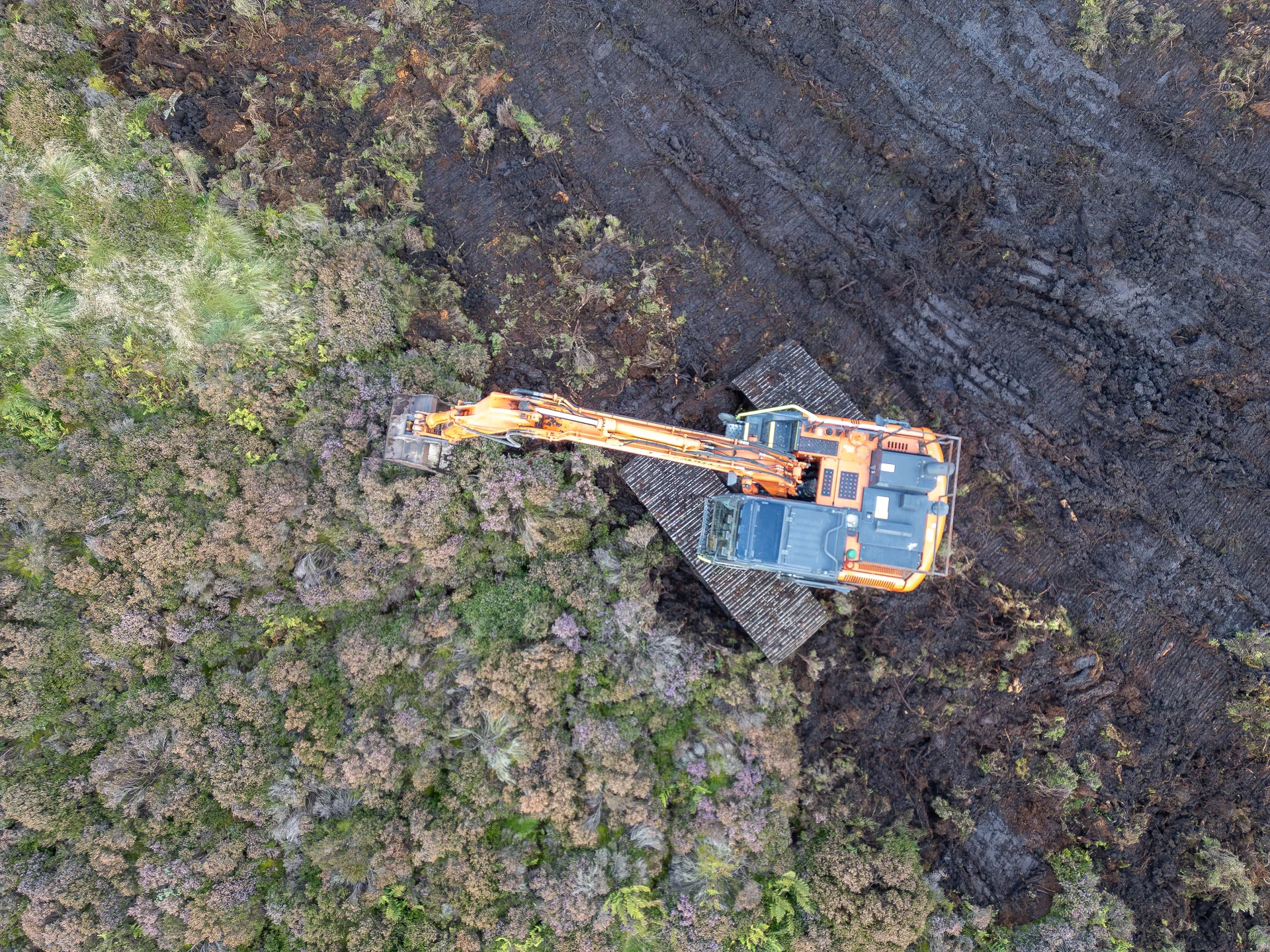
The Importance of Wetlands
Wetlands play a vital role in maintaining ecological balance. They act as natural water filters, support diverse ecosystems, and provide a habitat for countless species. Furthermore, wetlands are significant carbon sinks, helping to mitigate the effects of climate change.
In Walton County, the degradation of wetlands had led to numerous environmental issues, including reduced water quality and loss of biodiversity. Recognizing these challenges, local authorities and environmental groups came together to initiate a comprehensive restoration project.
Restoration Strategies
The restoration project in Walton County employed several innovative strategies to revive the wetlands. Among these, the reintroduction of native plant species was a critical step. These plants not only stabilize the soil but also provide essential habitat for wildlife.
- Reintroduction of native plant species
- Reconstruction of natural water flow patterns
- Community engagement and education

Community Involvement
A key factor in the success of the Walton County restoration was the involvement of the local community. Educational programs were conducted to raise awareness about the importance of wetlands. Community members participated in planting events, fostering a strong sense of ownership and responsibility.
Local schools also integrated wetland studies into their curriculum, ensuring future generations understand the value of these ecosystems. This community-driven approach not only strengthened the project but also ensured its sustainability.
Outcomes and Benefits
The restoration efforts in Walton County have yielded remarkable results. Water quality has significantly improved, and the resurgence of native flora and fauna is evident. The area now serves as a thriving ecosystem supporting a variety of species.

Beyond environmental benefits, the restored wetlands have become a site for eco-tourism, attracting visitors and providing economic benefits to the local community. This has further incentivized the preservation and ongoing maintenance of the restored areas.
Lessons Learned
The Walton County case study provides valuable insights into successful wetland restoration. Key lessons include the importance of community involvement, the use of native species, and the need for continuous monitoring and maintenance.
By sharing these insights, other regions can apply similar strategies to restore their own wetlands, contributing to global environmental conservation efforts.
Conclusion
The successful wetland restoration in Walton County stands as a testament to what can be achieved through collaboration, innovation, and dedication. As we face increasing environmental challenges, such initiatives offer hope and a blueprint for a sustainable future.
Part of the EcoGuardian journal. This article retains its original publication context; references to grants, regulations, research, and services may have changed since publication.