Introduction to Ecosystem Evaluation Methods
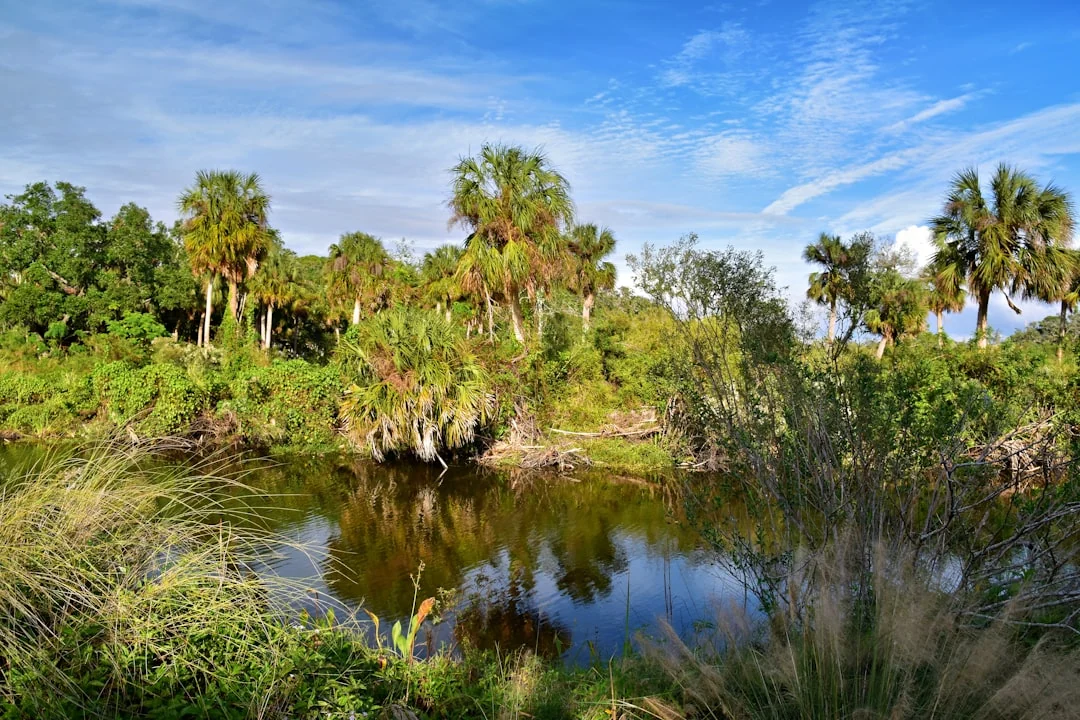
Florida, with its diverse landscapes and ecosystems, presents unique challenges and opportunities for environmental evaluation. From wetlands to coastal regions, understanding these ecosystems is crucial for conservation and development planning. Various methods are employed to assess these environments, each with its strengths and limitations.
Choosing the right evaluation method is essential for making informed decisions that balance ecological preservation with human needs. This article explores some of the most commonly used ecosystem evaluation methods and examines their applicability to Florida's unique landscapes.
Remote Sensing and GIS
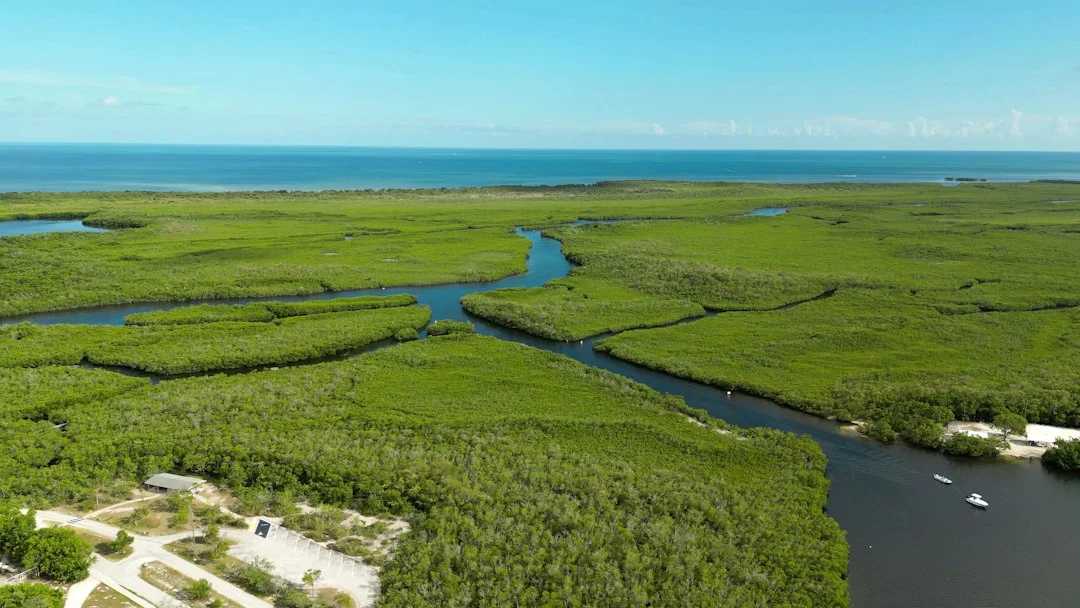
One of the most popular methods for ecosystem evaluation is remote sensing combined with Geographic Information Systems (GIS). This method involves using satellite imagery and aerial photography to gather data about large areas. It's particularly useful in Florida, where vast wetlands and coastal areas can be difficult to access.
Advantages of this method include its ability to cover large areas quickly and its application in monitoring changes over time. However, it may lack the finer details needed for specific ecological assessments, requiring supplementary ground-truthing.
Field Surveys and Sampling
Field surveys involve on-the-ground assessments, where scientists collect data directly from the environment. This method provides detailed information about species composition, habitat conditions, and other critical factors. In Florida, field surveys can be essential for understanding the intricate dynamics of ecosystems like the Everglades.
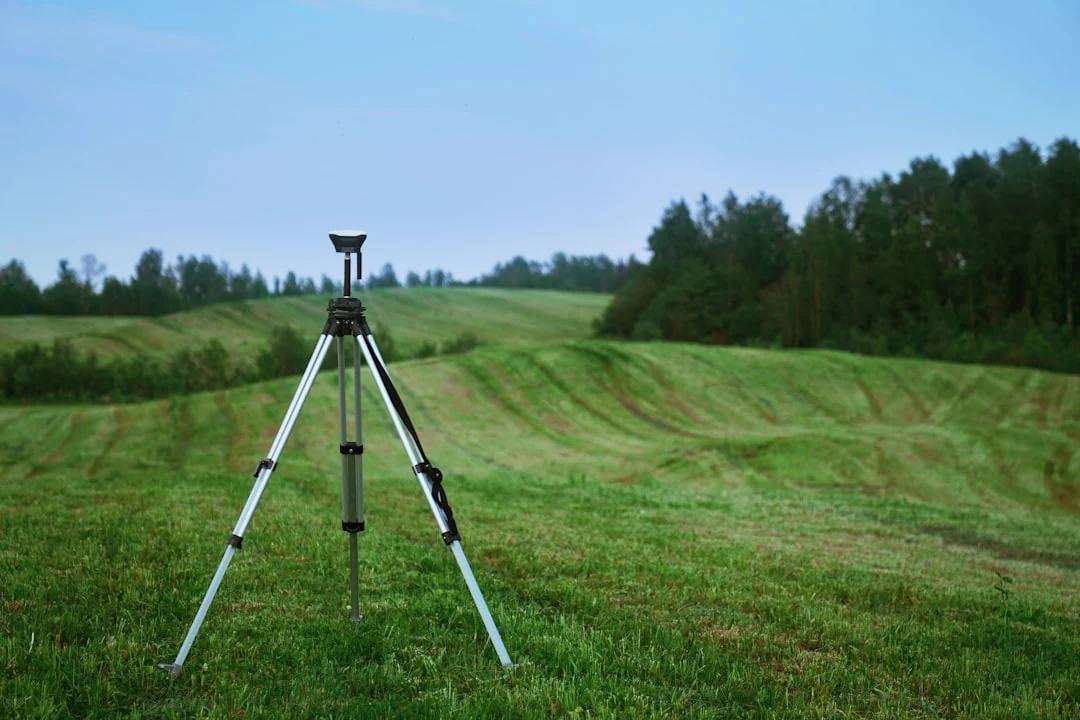
While field surveys provide precise data, they are often time-consuming and labor-intensive. They may also be limited by accessibility issues in remote or challenging terrains. Despite these challenges, they remain a valuable tool for ecosystem evaluation.
Ecological Modeling
Ecological modeling uses mathematical and computational techniques to simulate ecosystem processes. This approach can predict future changes and assess potential impacts of different management strategies. In Florida, models can be used to understand the effects of climate change on coastal ecosystems.
Models are valuable for scenario planning, but their accuracy depends on the quality of input data and assumptions made during development. Continuous refinement and validation with real-world data are necessary to maintain their reliability.
Comparative Analysis
When comparing these methods, it's clear that no single approach is superior in all situations. The choice often depends on the specific goals of the evaluation, the available resources, and the unique characteristics of the ecosystem in question.
For instance, remote sensing might be best for large-scale monitoring, while field surveys offer in-depth, localized insights. Ecological modeling can provide predictive power but requires careful calibration and validation.
Conclusion
In Florida, where ecosystems are as varied as they are vital, a multi-method approach is often the most effective strategy. By combining different evaluation methods, stakeholders can gain a comprehensive understanding of environmental conditions and make more informed decisions.
Ultimately, the best ecosystem evaluation method for Florida is one that considers the specific needs and challenges of its landscapes, fostering sustainable management and conservation efforts.
Part of the EcoGuardian journal. This article retains its original publication context; references to grants, regulations, research, and services may have changed since publication.