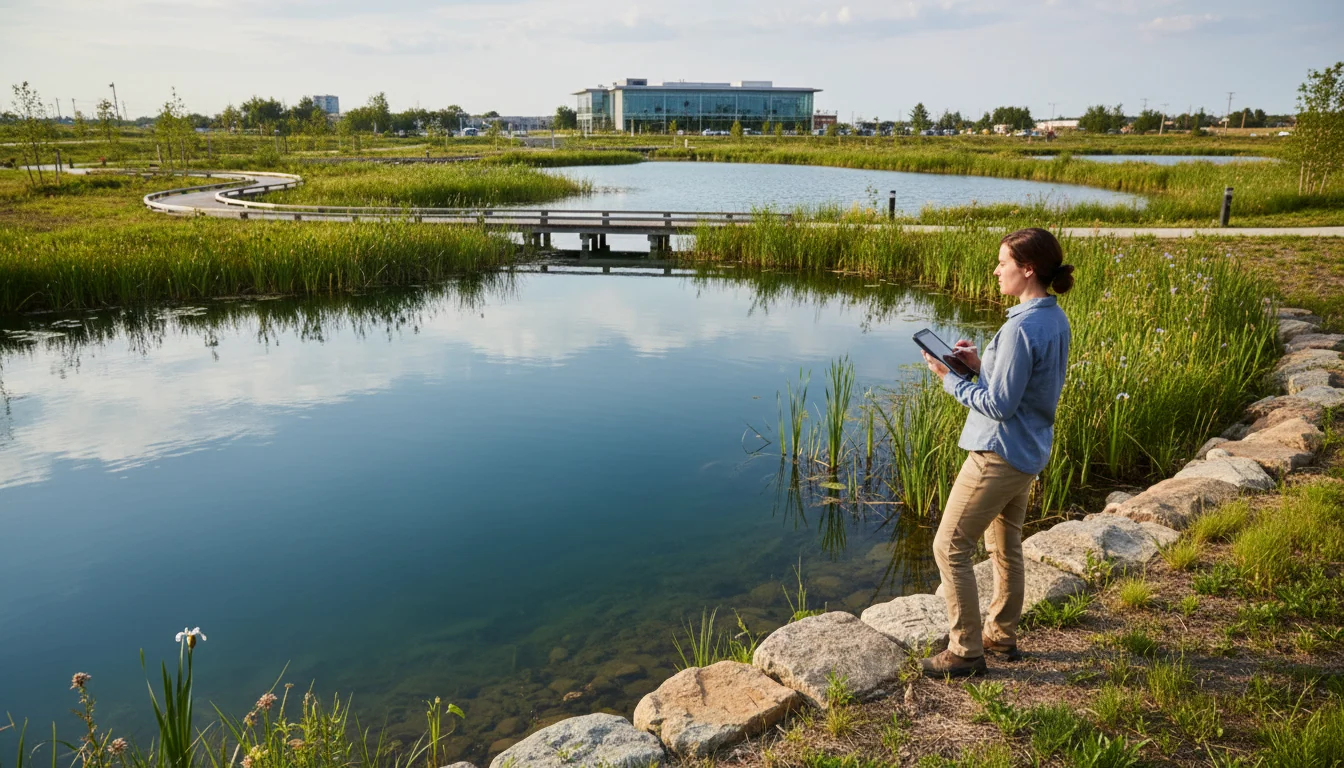
Conducting an environmental analysis is crucial for any project, especially in areas like Walton County, where natural resources and ecosystems play a significant role. This guide will walk you through the essential steps to ensure your project is environmentally sound and compliant with local regulations.
Understanding Environmental Analysis
Environmental analysis involves assessing the potential impact of a project on the surrounding environment. This includes evaluating factors such as water quality, air pollution, wildlife habitats, and the overall ecological balance. By understanding these elements, project developers can mitigate negative impacts effectively.

The Importance of Local Regulations
Walton County has specific environmental regulations to protect its unique ecosystems. It's crucial to familiarize yourself with these rules before starting your project. Adhering to local laws not only prevents legal issues but also promotes sustainable development.
Key regulations in Walton County include water conservation measures, wildlife protection laws, and guidelines for land use. Consulting with local authorities can provide clarity on these regulations and ensure your project aligns with community standards.
Steps in Environmental Analysis
Conducting a thorough environmental analysis involves several key steps. Here’s a comprehensive approach to guide you:
- Initial Assessment: Identify potential environmental impacts and stakeholders.
- Data Collection: Gather relevant data on local wildlife, vegetation, and water resources.
- Impact Prediction: Use models and simulations to predict potential impacts.
- Mitigation Planning: Develop strategies to minimize negative effects.
- Documentation and Reporting: Prepare comprehensive reports for review by authorities.

Utilizing Technology in Analysis
Modern technology plays a vital role in environmental analysis. Tools such as Geographic Information Systems (GIS) and remote sensing provide detailed environmental data and facilitate more accurate predictions. These technologies help in visualizing potential impacts and planning effective mitigation strategies.
Community Involvement
Engaging the local community is an integral part of the environmental analysis. Community members can offer valuable insights into local environmental concerns and historical data. Involving them in the planning process fosters transparency and promotes community support.

Case Studies and Best Practices
Examining successful projects in Walton County can provide practical insights and best practices. Case studies demonstrate how effective environmental analysis and compliance can lead to sustainable development and community approval. Learning from these examples can guide new projects towards similar success.
In conclusion, comprehensive project environmental analysis in Walton County is essential for sustainable development. By adhering to local regulations, utilizing modern technology, and involving the community, developers can ensure their projects are environmentally responsible and beneficial to the community.
Part of the EcoGuardian journal. This article retains its original publication context; references to grants, regulations, research, and services may have changed since publication.