Understanding Ecological Consulting
Ecological consulting is a rapidly growing field that plays a crucial role in environmental conservation and sustainable development. However, there are several misconceptions that can lead to misunderstandings about what ecological consultants actually do. This post aims to debunk some of these common myths and provide clarity on the importance of ecological consulting.
Myth 1: Ecological Consulting Is Only for Large Projects
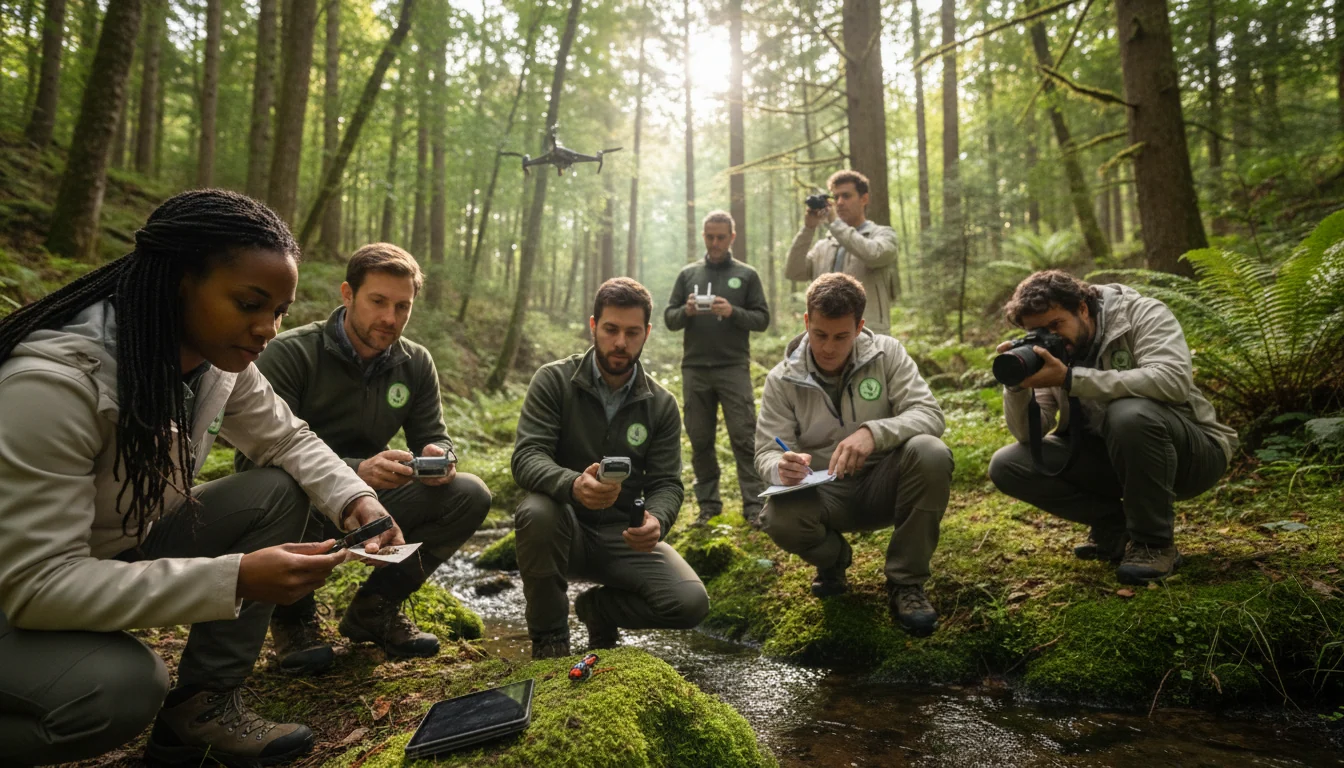
One common myth is that ecological consulting is only necessary for large-scale projects. In reality, ecological consultants work on projects of all sizes, from small residential developments to massive infrastructure projects. These professionals assess environmental impacts, ensuring that even smaller projects comply with regulations and do not harm local ecosystems.
In fact, small projects can have significant cumulative impacts on the environment. By involving ecological consultants early on, developers can make informed decisions that minimize environmental damage and promote sustainability.
Myth 2: Ecological Consulting Is Just About Protecting Wildlife
While wildlife protection is a significant component of ecological consulting, it is not the only focus. Ecological consultants also assess soil health, water quality, and vegetation. Their work often involves creating management plans that balance development needs with ecological preservation.
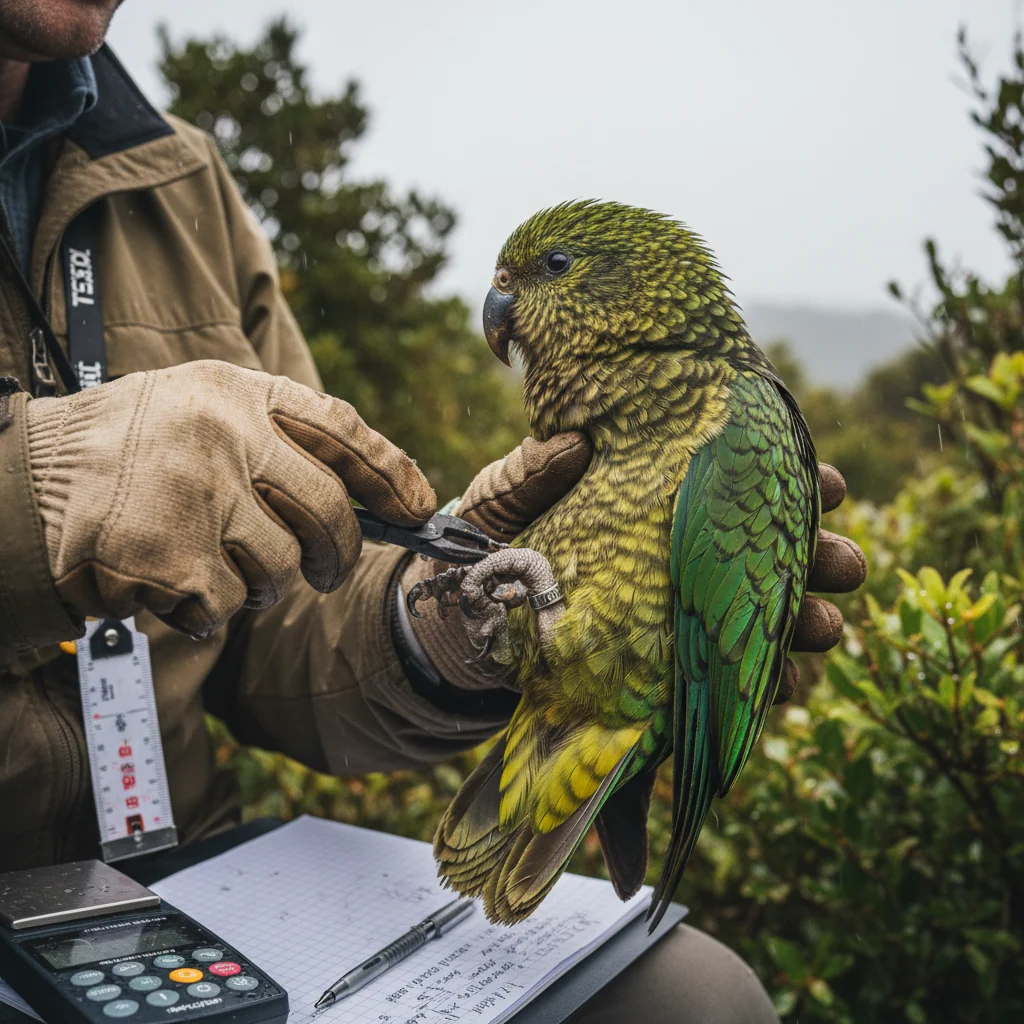
By considering various environmental factors, ecological consultants help ensure that development projects are sustainable and compliant with environmental laws. This holistic approach benefits both the environment and the communities that rely on it.
Myth 3: Ecological Consulting Is Not Necessary If There Are No Protected Species
Another misconception is that ecological consulting is unnecessary if a site does not contain protected species. However, ecological consultants assess broader ecological impacts, such as habitat fragmentation, pollution, and erosion, which can affect the overall health of an ecosystem.
- Habitat assessment
- Water and soil analysis
- Impact mitigation strategies

Ignoring these factors can result in long-term environmental degradation, affecting biodiversity and ecosystem services that humans rely on, such as clean water and air.
The Value of Ecological Consulting
Ecological consulting is an essential service that ensures development projects are environmentally responsible. By debunking these myths, we can better appreciate the vital role that ecological consultants play in safeguarding our natural world.
Embracing the knowledge and expertise of ecological consultants is a step towards a more sustainable future, where development and conservation coexist harmoniously.
Part of the EcoGuardian journal. This article retains its original publication context; references to grants, regulations, research, and services may have changed since publication.