Understanding Ecological Consulting
Ecological consulting is a vital field that works to assess and manage the impact of human activities on the environment. Despite its importance, there are several myths and misconceptions surrounding this profession. Understanding what ecological consulting truly entails can help dispel these myths.
One common myth is that ecological consultants are solely focused on preventing development projects. In reality, they work to ensure that projects proceed in a way that minimizes environmental impact. This involves collaboration between developers, government agencies, and communities to create sustainable solutions.
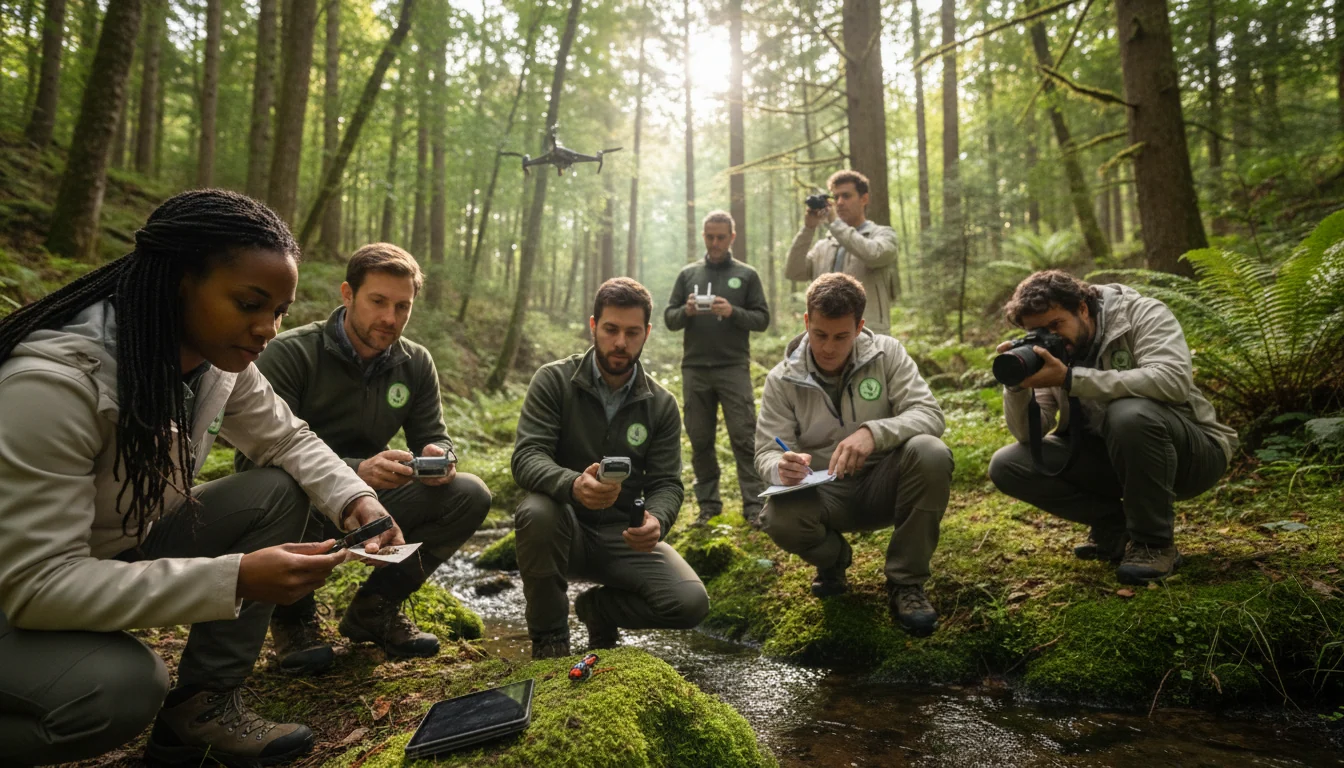
Another misconception is that anyone with a basic understanding of ecology can become an ecological consultant. This is far from true. The field requires specialized knowledge and expertise in various disciplines, including biology, environmental science, and regulatory frameworks. Professionals in this field often hold advanced degrees and certifications.
Environmental Analysis Explained
Environmental analysis is often misunderstood as a simple checklist of environmental factors. However, it is a complex process that involves detailed assessments of air, water, soil, and biodiversity to understand the potential impacts of a project. This analysis is crucial for informed decision-making and sustainable development.
Some believe that environmental analysis is only necessary for large-scale projects, but this is not the case. Even small projects can have significant environmental impacts that need to be evaluated. Comprehensive environmental analysis ensures that all potential risks are identified and mitigated.

There is also a myth that environmental analysis is overly time-consuming and costly. While it does require investment, the benefits far outweigh the costs. A thorough analysis can prevent legal issues, protect ecosystems, and promote long-term sustainability, saving money in the long run.
The Role of Technology in Ecological Consulting
Technology plays a crucial role in modern ecological consulting and environmental analysis. Advanced tools and software are used to collect and analyze data, providing more accurate and efficient assessments. This technological integration helps consultants offer better insights and solutions.
Some may think that technology replaces the need for human expertise in ecological consulting. However, technology is merely a tool that enhances the capabilities of skilled professionals. Human expertise remains essential for interpreting data and making informed decisions.

In summary, ecological consulting and environmental analysis are essential for sustainable development. By debunking these myths, we can appreciate the critical role these fields play in balancing development with environmental preservation. Understanding the true nature of these professions helps in supporting initiatives that aim for a healthier planet.
Part of the EcoGuardian journal. This article retains its original publication context; references to grants, regulations, research, and services may have changed since publication.