
Conducting a basic ecological risk assessment is essential for understanding the potential impact of human activities on the environment. Whether you're a student, a hobbyist, or a community leader, learning to perform these assessments can help you take meaningful steps toward ecological conservation. Here are some DIY tips to get you started.
Understanding Ecological Risk Assessment
An ecological risk assessment (ERA) evaluates the potential adverse effects of human actions on the environment. It's a critical tool for conservationists and environmentalists. By identifying risks early, you can implement strategies to mitigate negative impacts.
The process typically involves three main stages: problem formulation, analysis, and risk characterization. Each stage requires careful consideration of various ecological factors.

Problem Formulation
The first step in an ERA is to define the scope and objectives. What specific ecosystem or species are you concerned about? Clearly defining the problem helps focus your efforts and resources effectively.
Consider creating a conceptual model that outlines the relationships between stressors, ecological components, and potential effects. This model serves as a roadmap for your assessment.
Data Collection and Analysis
Gathering accurate data is crucial for a reliable assessment. You can collect data through field observations, literature reviews, and existing databases. Ensure that your data sources are credible and up-to-date.
Once you have your data, analyze it to identify potential stressors and their effects on the ecosystem. Use statistical methods to estimate the likelihood and severity of adverse outcomes.

Risk Characterization
This stage involves integrating the data and analysis results to describe the nature and magnitude of ecological risks. Consider both the likelihood of occurrence and the potential impact on the ecosystem.
Develop risk management strategies based on your findings. These strategies could include mitigation actions, policy recommendations, or further monitoring efforts.
Implementing and Monitoring Strategies
After characterizing the risks, the next step is to implement your risk management strategies. This might involve habitat restoration, pollution reduction, or public awareness campaigns.
Monitoring is essential to ensure that your strategies are effective. Regularly assess the ecological conditions and adjust your strategies as needed to achieve your conservation goals.
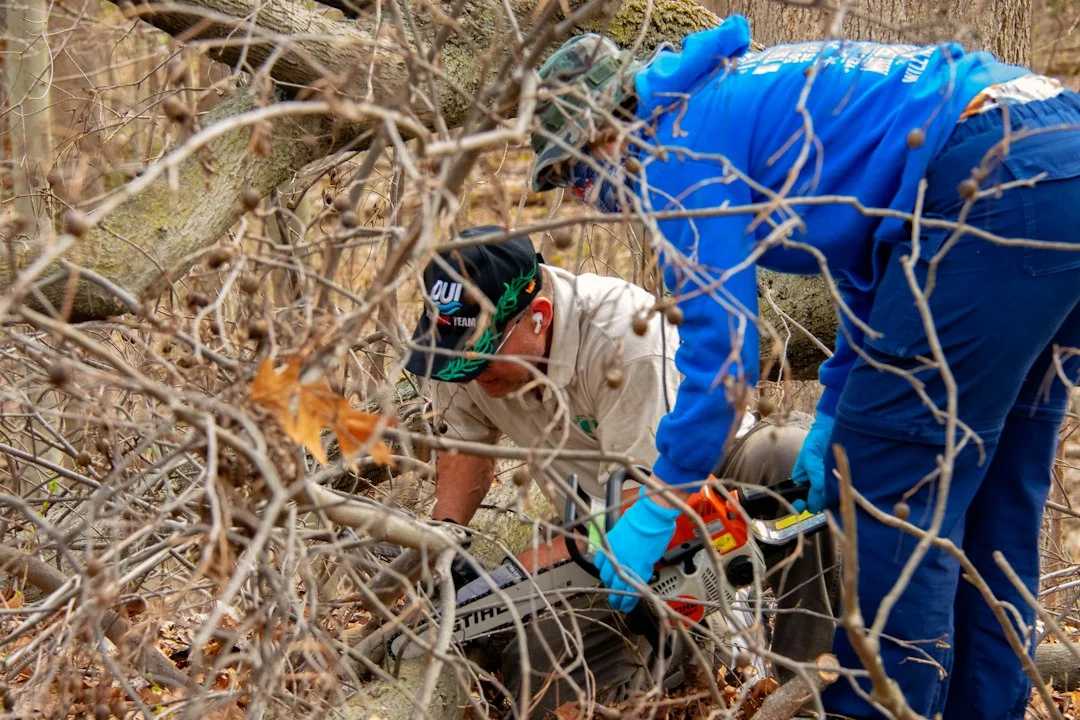
Community Engagement
Engaging the local community is vital for the success of any ecological risk assessment. Educate others about the importance of your work and encourage participation in conservation efforts.
Community involvement can lead to more sustainable and impactful outcomes, as local knowledge and resources often prove invaluable in conservation initiatives.
In conclusion, conducting a basic ecological risk assessment requires careful planning, data collection, and community engagement. By following these DIY tips, you can contribute to the protection and preservation of our natural ecosystems.
Part of the EcoGuardian journal. This article retains its original publication context; references to grants, regulations, research, and services may have changed since publication.