DIY Tips for Preliminary Ecological Risk Assessment


Understanding Preliminary Ecological Risk Assessment
Preliminary Ecological Risk Assessment (PERA) is a crucial step in evaluating the potential impact of human activities on the environment. It helps in identifying and mitigating risks to ecological systems before they become significant problems. Conducting a DIY PERA can be a valuable exercise for environmental enthusiasts and small-scale projects.
Before diving into the assessment, it's important to understand the scope of the project. Consider the potential environmental stressors such as pollutants, land use changes, or introduction of non-native species. Understanding these factors will help in shaping the assessment process.
Gathering Necessary Information
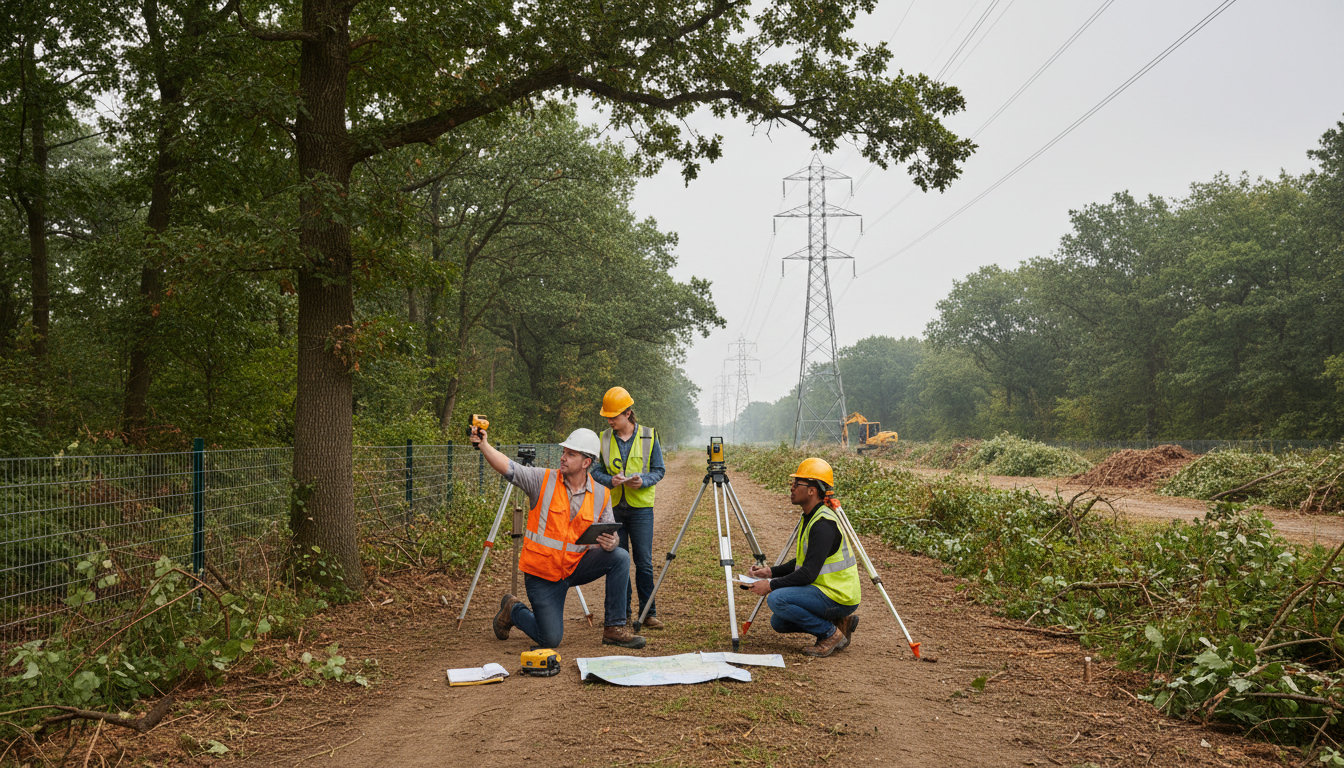
The first step in any PERA is to gather data. This involves collecting information on the local environment, including soil composition, water quality, and biodiversity. Publicly available resources, such as government databases and scientific studies, can be invaluable in this phase.
Field visits are also essential. Observing the area firsthand can provide insights that are not always apparent from data alone. Take notes on the current state of the ecosystem, noting any visible signs of stress or degradation.

Identifying Potential Risks
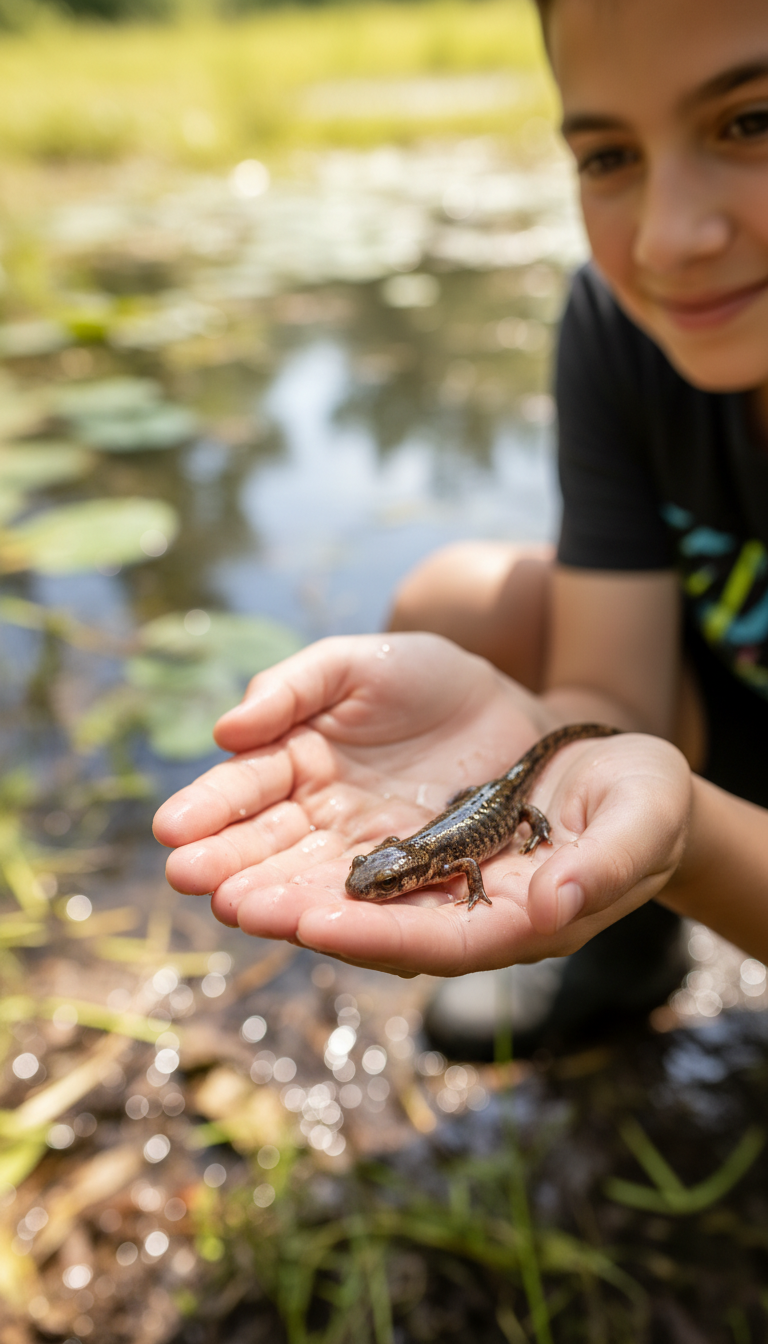
Once the data is gathered, the next step is to identify potential risks. This can be done by analyzing the collected information to spot trends or anomalies. Look for indicators of pollution or habitat disruption. Consider how these factors might affect local wildlife and plant species.
- Check for water contamination signs, such as unusual odors or colors.
- Observe plant health for signs of disease or pollution stress.
- Monitor wildlife activity and behavior for disruptions.
Evaluating the Impact
With potential risks identified, it's time to evaluate their impact. This involves predicting how these risks might affect the ecosystem over time. Use models or simulations if available, or rely on case studies from similar environments. Understanding the ecological balance and interactions is key to this step.
Consider both direct and indirect effects. For example, a pollutant might directly harm fish but also indirectly affect birds that rely on those fish for food.
Mitigation Strategies
After assessing the risks and their potential impacts, developing mitigation strategies is essential. These strategies aim to reduce or eliminate the identified risks. Simple measures might include introducing native plant species to restore habitat or implementing pollution controls.
- Revegetate areas with native plants.
- Improve waste management practices.
- Enhance water filtration systems.

Monitoring and Review
PERA is not a one-time activity but an ongoing process. Regular monitoring is necessary to ensure that the mitigation strategies are effective. Set up a schedule for revisiting the site and updating the assessment as needed.
Document changes in the ecosystem and adjust strategies accordingly. Continuous improvement is vital to sustaining the health of the environment.
Engaging the Community
Engaging the local community can amplify the impact of your ecological risk assessment. Educate others about the importance of environmental stewardship and encourage participation in conservation efforts. Community involvement can lead to more effective and sustainable solutions.
Workshops, educational materials, and public meetings can be effective ways to spread awareness and gather support.

Conclusion
Conducting a DIY Preliminary Ecological Risk Assessment is a rewarding endeavor that contributes to environmental protection. By understanding and addressing potential risks, individuals and communities can play a significant role in preserving ecological health. Remember, every small effort counts towards a larger impact on our planet's future.