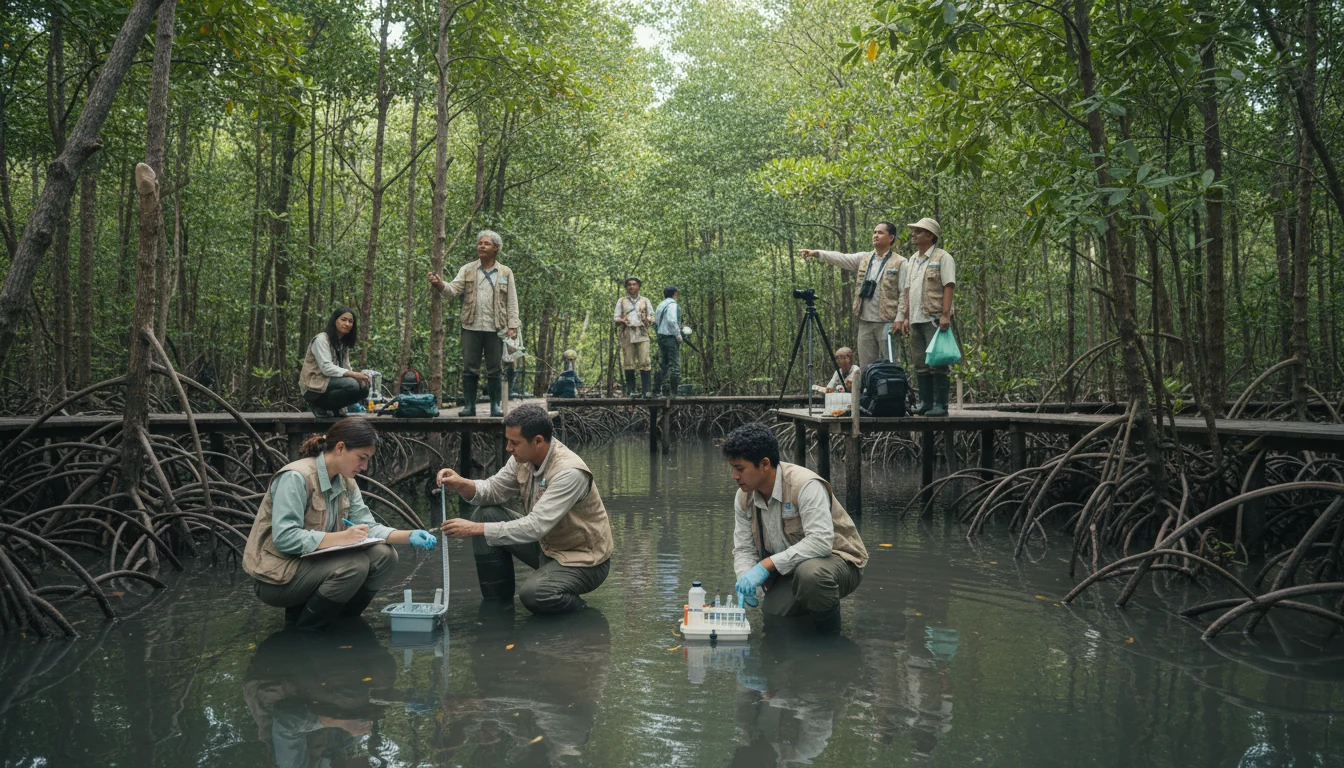
Understanding Mitigation Strategies
Effective mitigation strategies are crucial for the success of scientific projects, especially when addressing environmental and societal impacts. These strategies help minimize potential risks and enhance project sustainability. Walton County has emerged as a model in implementing innovative approaches, offering valuable lessons for others in the field.
In recent years, Walton County has faced numerous challenges related to environmental conservation and development. By prioritizing strategic planning and community engagement, they have managed to balance growth with ecological preservation.

Community Engagement and Collaboration
One of the standout features of Walton County's approach is its emphasis on community engagement. By involving local stakeholders in the planning process, the county ensures that diverse perspectives are considered. This collaborative approach fosters trust and encourages shared responsibility among all parties.
Regular workshops and town hall meetings are organized to discuss project plans and gather feedback. This interaction helps identify potential issues early and allows for adjustments that benefit both the project and the community.
Environmental Impact Assessments
Another key strategy employed by Walton County is conducting thorough Environmental Impact Assessments (EIAs). These assessments are essential in understanding the potential environmental consequences of a project. By identifying risks early, appropriate measures can be taken to mitigate negative impacts.
Walton County's commitment to comprehensive EIAs ensures that projects adhere to environmental regulations and standards, promoting sustainable development.
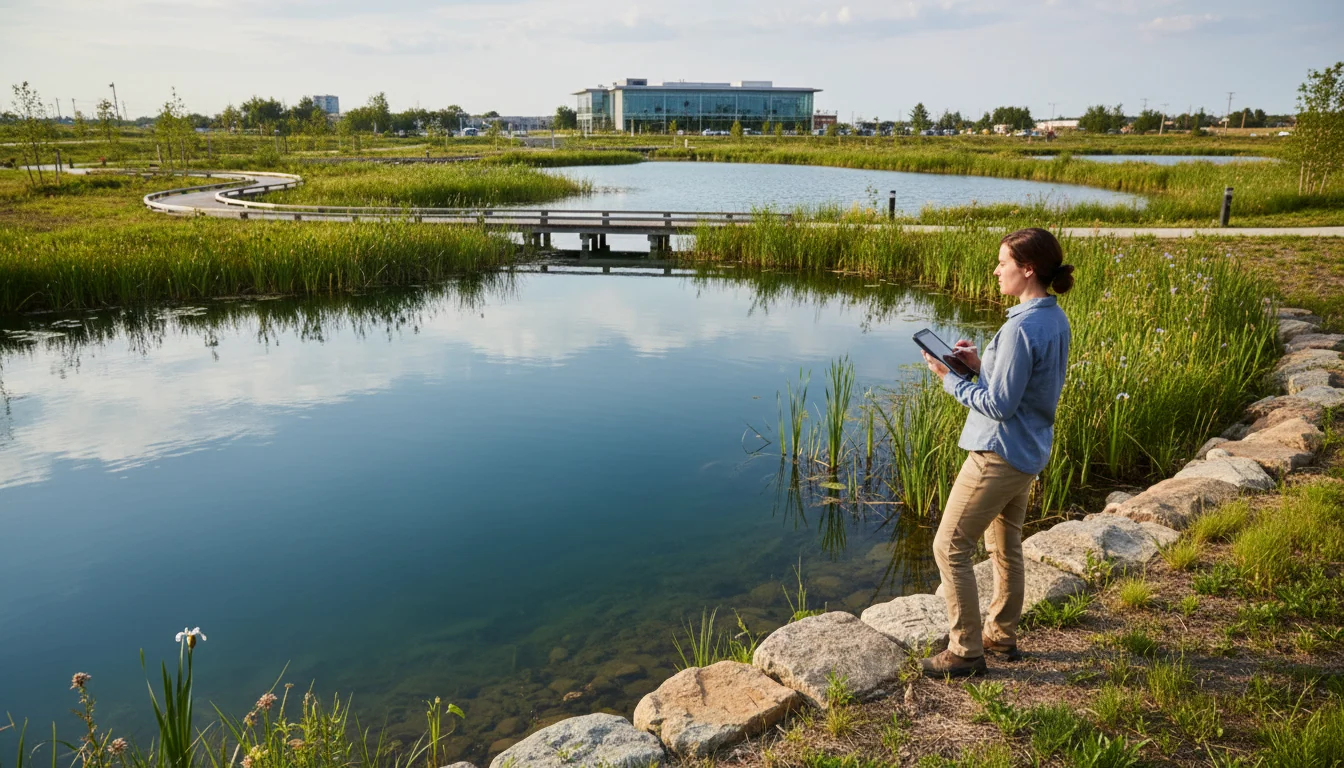
Adaptive Management Practices
Adaptive management is a dynamic approach that Walton County uses to respond to changing conditions and new information. This strategy involves continuously monitoring project outcomes and making necessary adjustments to improve effectiveness.
By being flexible and open to change, scientific projects in Walton County can better achieve their objectives while minimizing unforeseen impacts. This adaptability is crucial in maintaining project relevance and success over time.
Utilizing Technology and Innovation
Walton County leverages technology and innovation to enhance its mitigation strategies. Advanced tools such as Geographic Information Systems (GIS) and remote sensing are used to gather and analyze data effectively. These technologies provide insights into environmental conditions and help in making informed decisions.

Embracing technological advancements not only streamlines processes but also improves the accuracy and efficiency of mitigation efforts.
Lessons Learned and Future Directions
Walton County's experiences offer important lessons for other regions and projects. Key takeaways include the importance of community involvement, the necessity of thorough impact assessments, and the value of adaptive management. By incorporating these elements, scientific projects can better navigate challenges and achieve sustainable outcomes.
As we look to the future, ongoing innovation and collaboration will be essential in refining mitigation strategies. By building on Walton County's successes, projects worldwide can contribute to a more sustainable and balanced approach to development.
Part of the EcoGuardian journal. This article retains its original publication context; references to grants, regulations, research, and services may have changed since publication.