
Introduction to Environmental Impact Assessment (EIA)
Environmental Impact Assessment (EIA) is a critical process that evaluates the potential environmental effects of proposed projects before they commence. It aims to ensure that decision-makers consider environmental impacts alongside economic and social factors. As the world grapples with climate change and biodiversity loss, emerging trends in EIA are becoming increasingly important.
In recent years, the field of EIA has evolved significantly. This evolution is driven by technological advancements, regulatory changes, and a growing awareness of environmental issues. Understanding these trends is essential for businesses, governments, and environmental organizations.
Integration of Technology in EIA
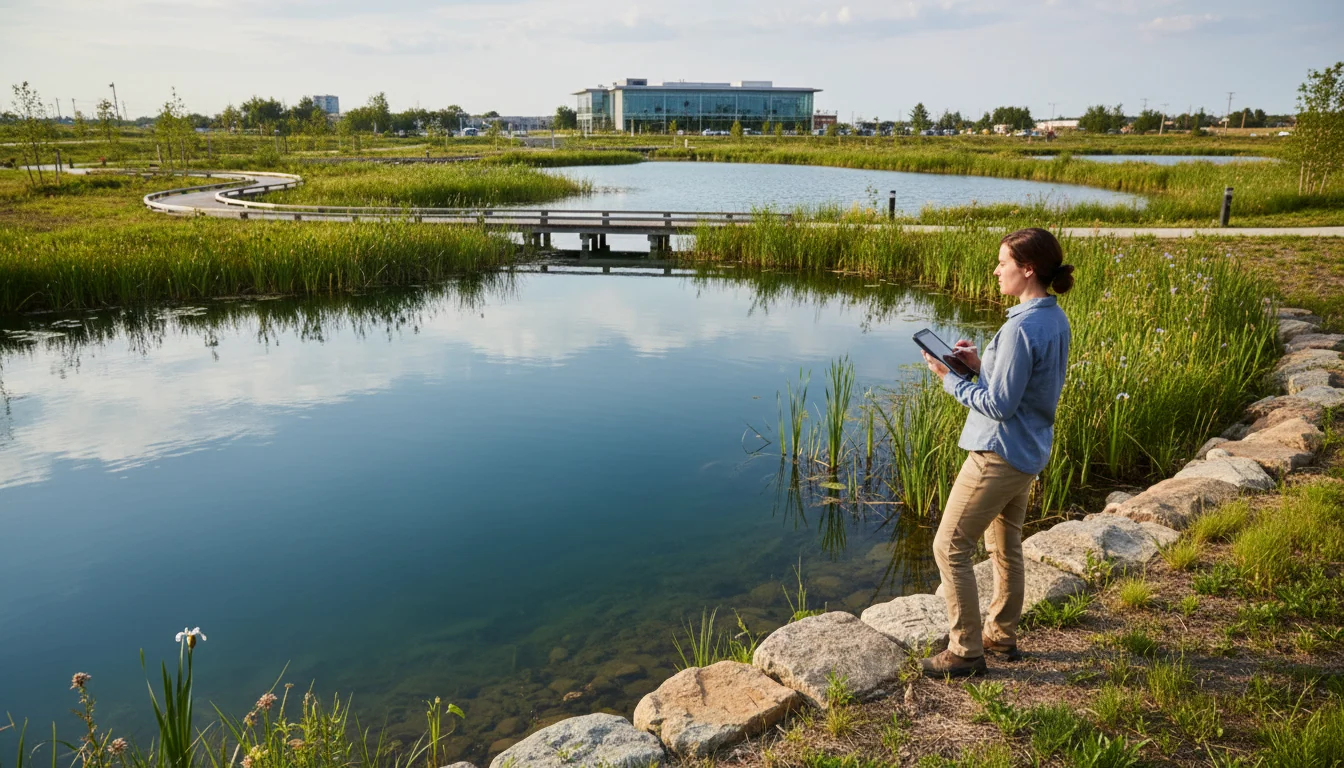
One of the most notable trends is the integration of advanced technology into the EIA process. Tools such as Geographic Information Systems (GIS), remote sensing, and artificial intelligence are transforming the way assessments are conducted. These technologies enhance data accuracy, improve predictive models, and enable more comprehensive analysis.
GIS and remote sensing allow for detailed mapping and spatial analysis, providing insights into land use, vegetation cover, and habitat changes. Meanwhile, AI algorithms can process large datasets quickly, identifying patterns and predicting potential impacts more efficiently than traditional methods.
Public Participation and Transparency
Another emerging trend is the increased emphasis on public participation and transparency. Stakeholder engagement is becoming a fundamental component of the EIA process, ensuring that communities affected by projects have a voice in decision-making. This trend is supported by digital platforms that facilitate information sharing and dialogue.

Transparent processes not only build trust but also lead to more informed and equitable outcomes. By incorporating diverse perspectives, EIAs can better address social and environmental justice issues.
Focus on Climate Change and Biodiversity
With the growing urgency of environmental challenges, EIAs are placing greater focus on climate change and biodiversity. Assessments now frequently include carbon footprint analysis, climate resilience measures, and strategies for biodiversity conservation.
The integration of climate models and biodiversity metrics helps decision-makers understand the long-term implications of projects. This comprehensive approach ensures that developments are sustainable and environmentally responsible.

Strategic Environmental Assessment (SEA)
Strategic Environmental Assessment (SEA) is gaining traction as a complementary approach to traditional EIA. SEA evaluates the environmental effects of policies, plans, and programs, rather than individual projects. This strategic level assessment allows for a broader consideration of environmental impacts at the planning stage.
Implementing SEA can lead to more sustainable regional development, as it aligns projects with overarching environmental and sustainability goals. This trend reflects a shift towards proactive rather than reactive environmental management.
Conclusion
The field of Environmental Impact Assessment is undergoing significant transformation. The integration of technology, emphasis on public participation, focus on climate and biodiversity, and the adoption of strategic assessments are shaping the future of EIA. These trends are crucial for ensuring that development projects are sustainable and aligned with global environmental objectives.
As these trends continue to evolve, staying informed and adaptable is essential for practitioners and stakeholders involved in the EIA process. Embracing these changes will lead to more effective environmental stewardship and a healthier planet for future generations.
Part of the EcoGuardian journal. This article retains its original publication context; references to grants, regulations, research, and services may have changed since publication.