Understanding Environmental Impact Mitigation
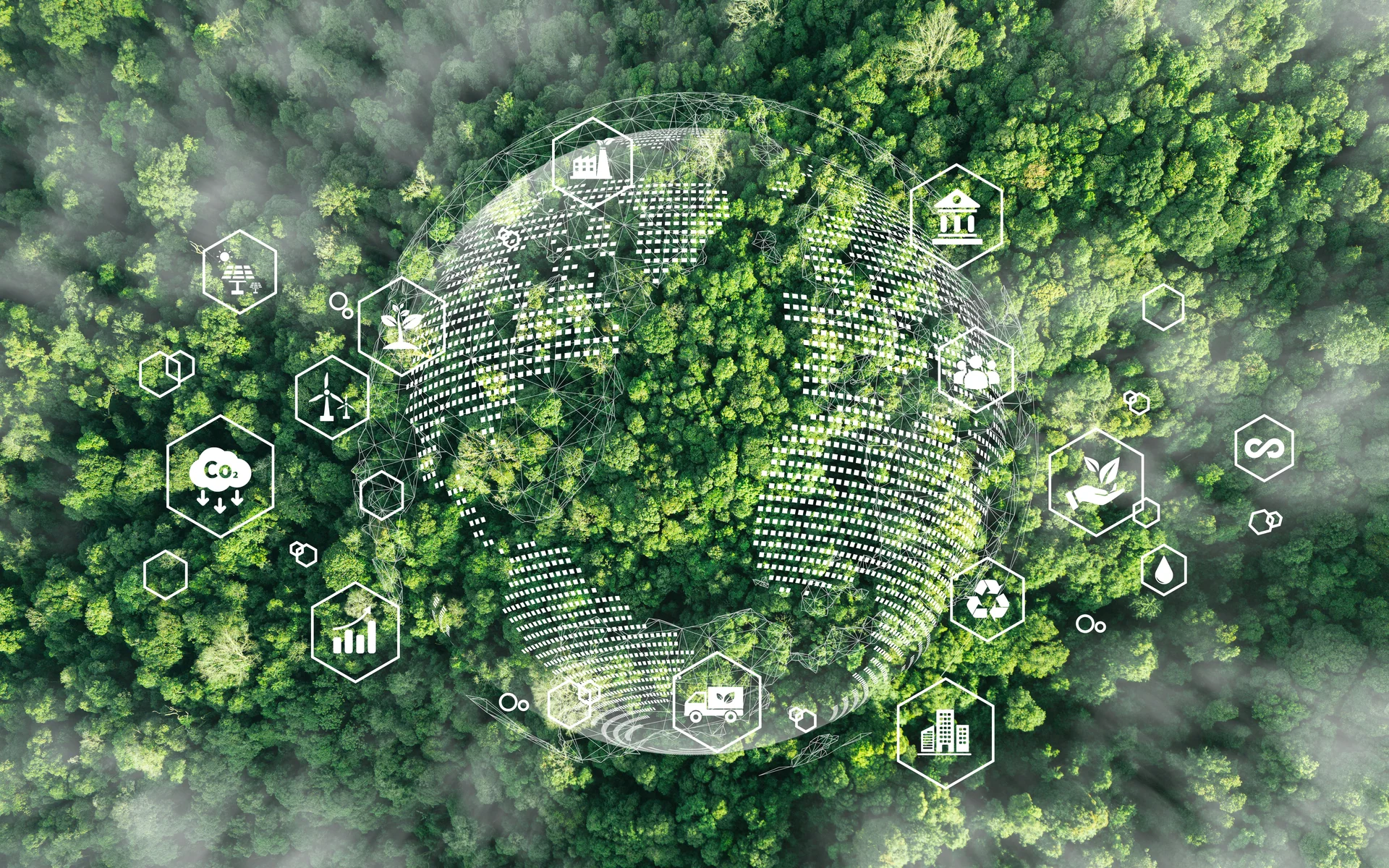
As the world becomes increasingly aware of the effects of climate change, the importance of environmental impact mitigation cannot be overstated. This process involves strategic actions aimed at reducing the negative effects of human activities on the environment. From reducing carbon emissions to protecting natural habitats, the future of environmental impact mitigation is a critical topic for policymakers, businesses, and individuals alike.

Innovative Technologies Leading the Way
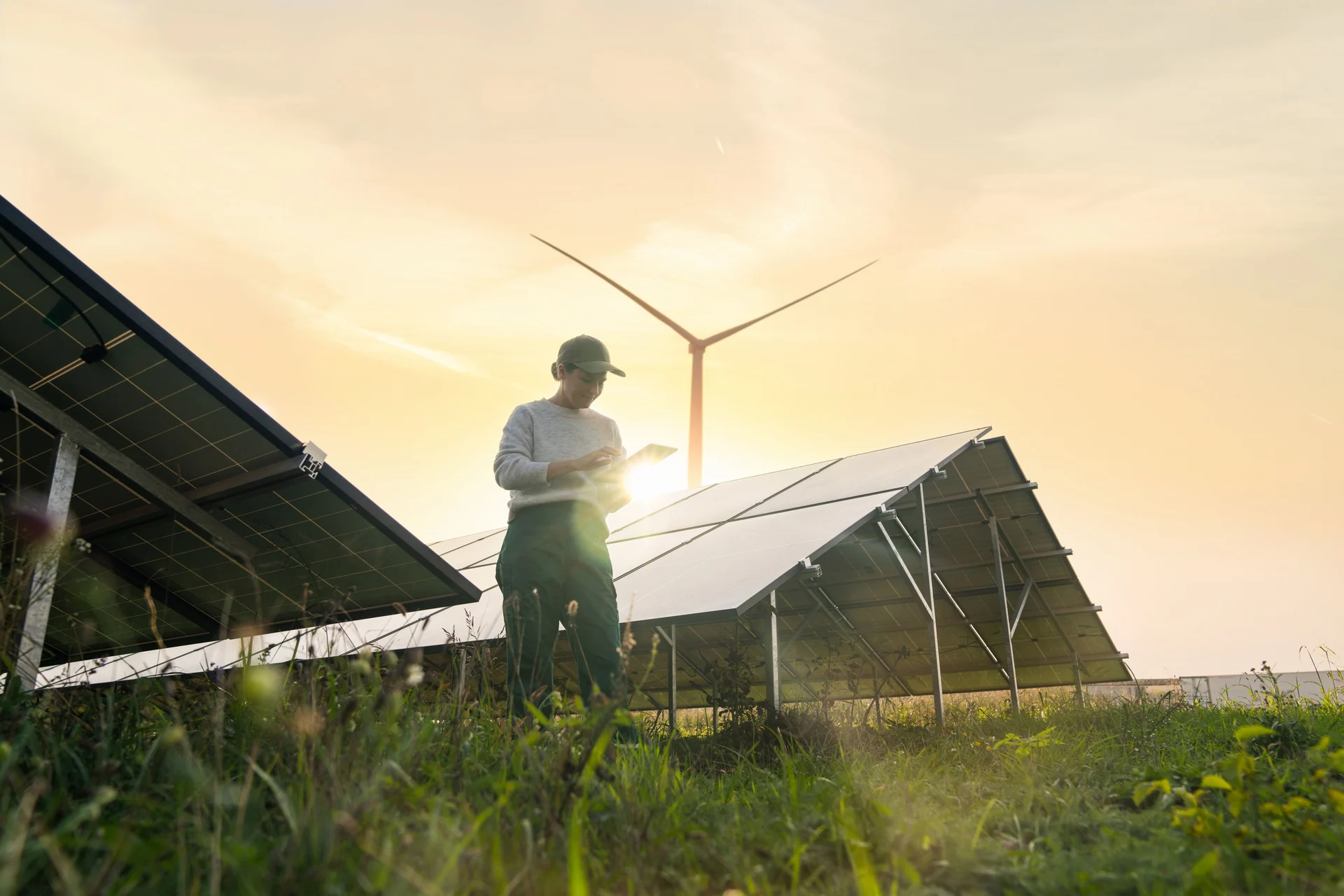
One of the most promising aspects of environmental impact mitigation is the development of innovative technologies. Advances in renewable energy, such as solar and wind power, are helping reduce reliance on fossil fuels. Additionally, carbon capture and storage (CCS) technologies are being developed to trap and store carbon emissions from industrial sources, preventing them from entering the atmosphere.
Moreover, smart grid technology is revolutionizing how energy is distributed and consumed, making energy systems more efficient and reducing waste. These technologies not only help mitigate environmental impact but also pave the way for sustainable growth.

The Role of Policy and Regulation
Government policies and regulations play a crucial role in environmental impact mitigation. By setting standards and enforcing regulations, governments can drive industries toward more sustainable practices. For instance, the implementation of carbon pricing mechanisms incentivizes businesses to reduce their carbon footprints.
Furthermore, international agreements such as the Paris Agreement have set global targets for reducing greenhouse gas emissions, fostering collaborative efforts across nations. These policies not only create a framework for action but also encourage innovation and investment in green technologies.

Community and Individual Actions
While technology and policy are vital, community and individual actions are equally important in mitigating environmental impact. Communities worldwide are adopting sustainable practices, from local recycling programs to urban green spaces that enhance biodiversity and reduce urban heat.
Individuals, too, play a significant role by making conscious choices. Simple actions such as reducing energy consumption, using public transportation, and supporting eco-friendly products contribute to a larger collective effort.
The Future of Environmental Education
Education is a powerful tool in shaping a sustainable future. By integrating environmental education into school curricula, we can equip future generations with the knowledge and skills needed to address environmental challenges. Educational programs that emphasize sustainability principles encourage students to think critically about their impact on the planet.
Additionally, public awareness campaigns are crucial in informing and engaging citizens, empowering them to take action in their communities and beyond. As awareness grows, so does the demand for sustainable solutions.

Collaboration Across Sectors
The complexity of environmental challenges requires collaboration across various sectors. Public-private partnerships and cross-industry collaborations can drive innovation and scale impact. For instance, partnerships between technology companies and environmental organizations can lead to the development of cutting-edge solutions tailored to specific environmental issues.
By fostering collaboration, we can leverage diverse expertise and resources, creating a unified approach to environmental impact mitigation. This synergy is essential for achieving significant, lasting change.

Conclusion: A Collective Responsibility
The future of environmental impact mitigation lies in the collective efforts of individuals, businesses, governments, and communities. By embracing innovative technologies, implementing effective policies, and promoting education and collaboration, we can create a sustainable and resilient world for future generations.
As we continue to explore and implement new strategies, it is crucial to remember that every action counts. Together, we have the power to mitigate environmental impacts and preserve the planet for future generations.
Part of the EcoGuardian journal. This article retains its original publication context; references to grants, regulations, research, and services may have changed since publication.