
Understanding Biodiversity Assessment
Conducting a biodiversity assessment is a crucial step in understanding the variety of life within a specific ecosystem. By assessing biodiversity, you can gain insights into the health of an ecosystem, identify areas of concern, and make informed conservation decisions. This process involves evaluating the diversity of species, genetic variations, and ecosystem types within a given area.
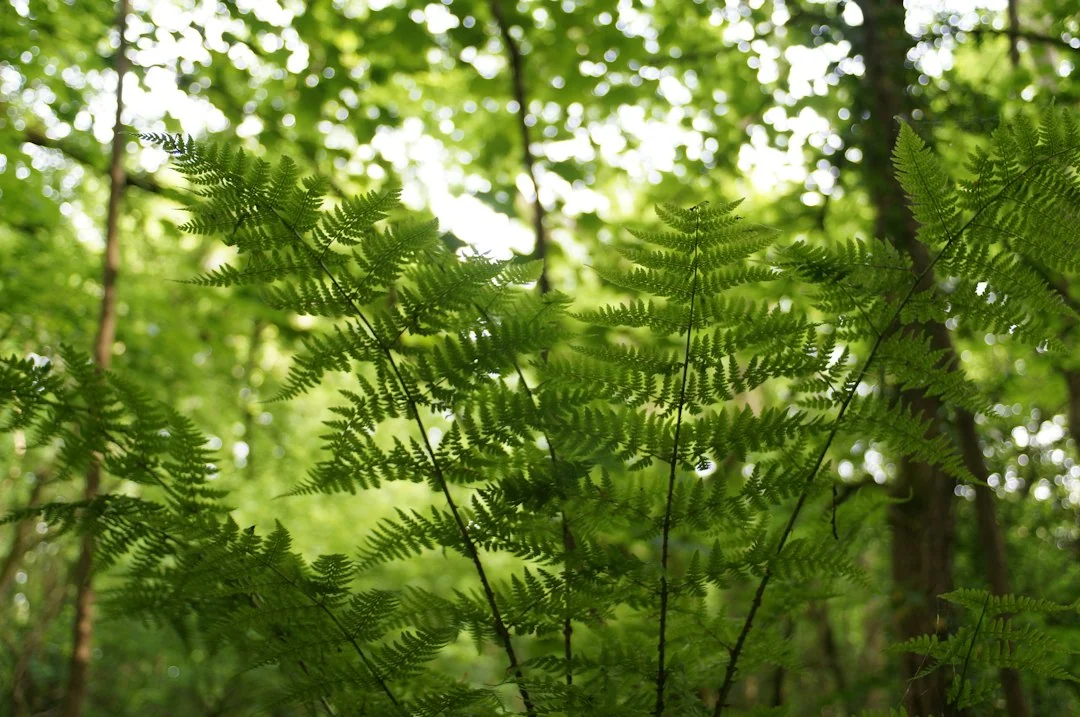
Why Conduct a Biodiversity Assessment?
A biodiversity assessment helps to identify species at risk, understand ecological interactions, and monitor changes over time. It is essential for conservation planning, ecosystem management, and sustainable development. By understanding the biodiversity of an area, stakeholders can make data-driven decisions to protect and preserve valuable ecological resources.
Steps to Conduct a Biodiversity Assessment
Conducting a thorough biodiversity assessment involves several key steps. First, define the scope and objectives of the assessment. Determine the geographic area, the species of interest, and the specific data you need to collect. This will help tailor your assessment to meet your conservation goals.
Gathering Data
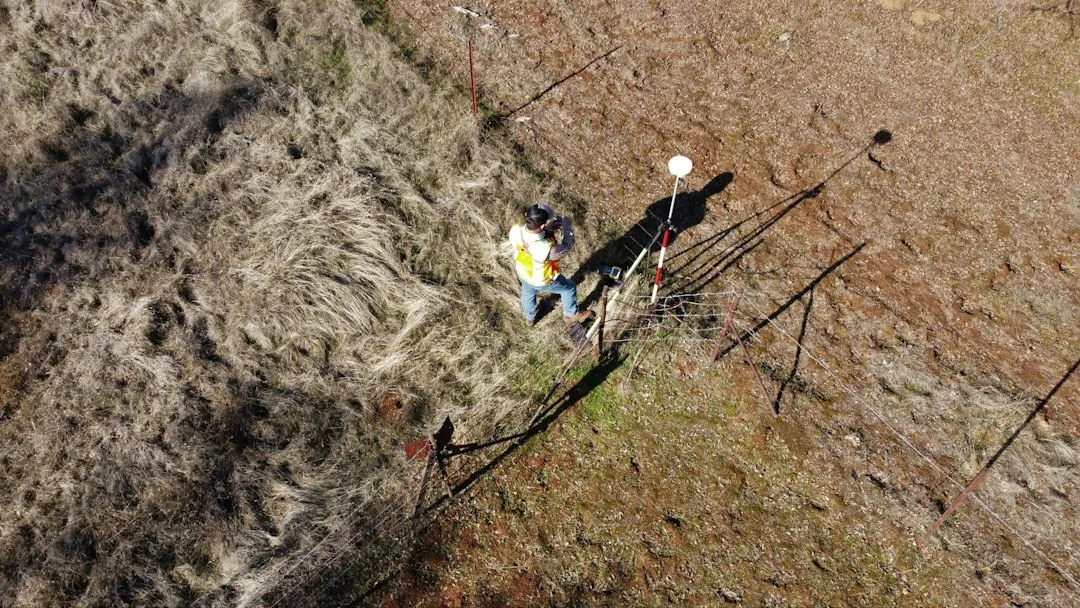
Once the scope is defined, the next step is data collection. This can be done through field surveys, remote sensing, and existing datasets. Field surveys involve direct observation and sampling of species and habitats. Remote sensing, using satellite imagery and aerial photography, can provide large-scale environmental data.
Using Technology and Tools
Several tools can aid in biodiversity assessments. Geographic Information Systems (GIS) are invaluable for mapping and analyzing spatial data. Software like R and Python can be used for statistical analysis of biodiversity data. Mobile apps can also assist in data collection by providing easy access to field guides and data entry forms.
Analyzing and Interpreting Results
After data collection, the next step is data analysis. This involves identifying patterns, assessing species richness, and understanding ecological relationships. Statistical tools and software can help in analyzing large datasets to draw meaningful conclusions.

Reporting and Making Recommendations
Once the analysis is complete, the findings should be compiled into a comprehensive report. This report should highlight key findings, trends, and potential threats to biodiversity. Based on these findings, make recommendations for conservation actions and policy changes to protect and enhance biodiversity.
Engaging Stakeholders
Engaging local communities, government agencies, and other stakeholders is crucial for successful biodiversity conservation. Sharing the results of the assessment and involving stakeholders in conservation efforts can lead to more effective and sustainable outcomes.

By following these expert tips and utilizing the right tools, conducting a biodiversity assessment can provide valuable insights into the ecological health of an area and guide efforts to protect our planet's precious biodiversity.
Part of the EcoGuardian journal. This article retains its original publication context; references to grants, regulations, research, and services may have changed since publication.