How to Conduct a Hurricane Impact Assessment for Scientific Projects


Understanding the Importance of Hurricane Impact Assessments
Conducting a hurricane impact assessment is crucial for scientific projects that aim to understand and mitigate the effects of these natural disasters. By systematically evaluating the potential impacts, researchers can better prepare and adapt their projects to withstand and recover from hurricane events.
Defining the Scope of Your Assessment
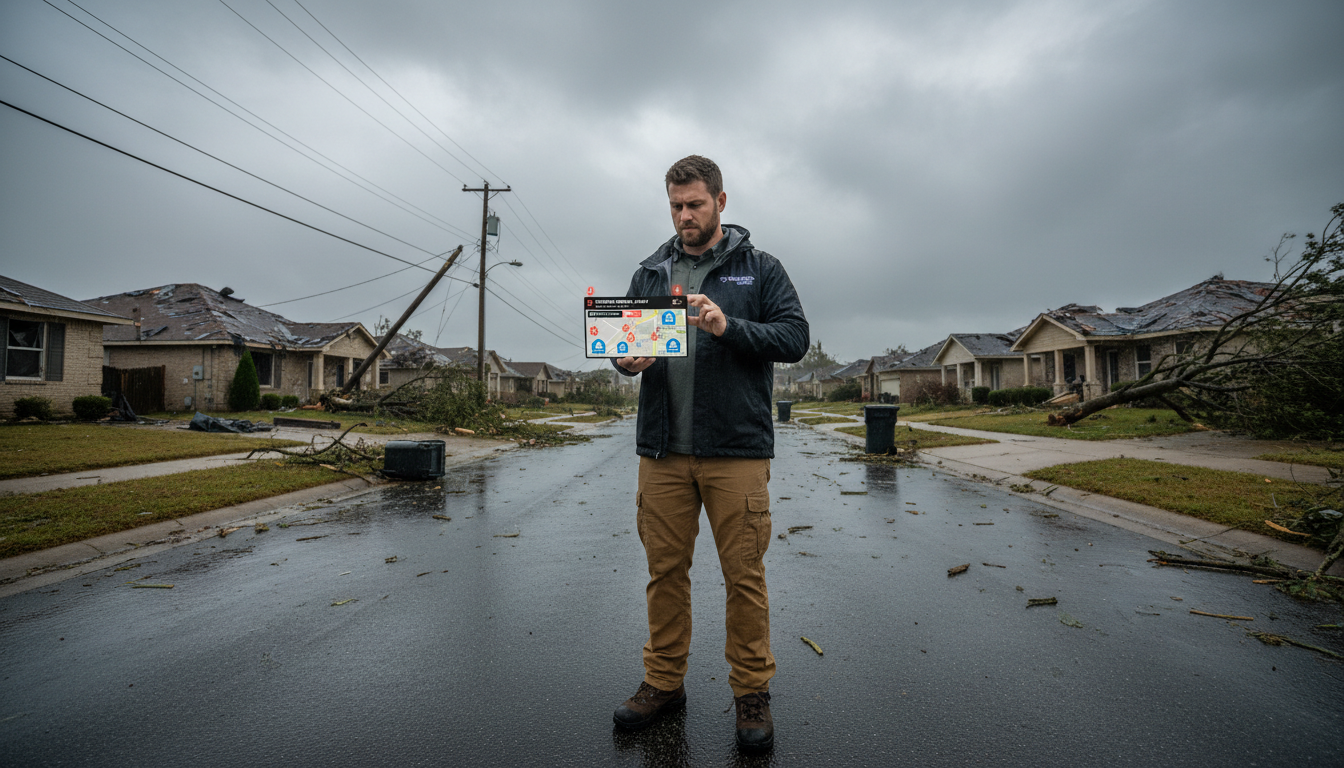
The first step in conducting a hurricane impact assessment is to define the scope. This involves identifying the specific areas of your project that could be affected by a hurricane. Consider aspects such as geographical location, project infrastructure, and key resources. Thoroughly understanding these elements will help in creating a comprehensive assessment plan.
Gathering Historical Data
Historical data is invaluable in predicting potential hurricane impacts. Analyze past hurricane events in your area to identify patterns and vulnerabilities. This data can include storm paths, wind speeds, rainfall, and damage reports. By understanding historical trends, you can anticipate future risks more accurately.

Identifying Vulnerabilities
Once you have a clear understanding of historical data, the next step is identifying vulnerabilities within your project. This involves evaluating structures, equipment, and processes that may be susceptible to hurricane damage. Prioritize these vulnerabilities based on their potential impact on your project's success and safety.
Developing Mitigation Strategies
With identified vulnerabilities, develop strategies to mitigate potential impacts. This can include reinforcing structures, creating backup systems, and developing emergency response plans. Consider the cost-benefit ratio of each strategy to ensure the most efficient allocation of resources.
Implementing Monitoring Systems
Installing monitoring systems can provide real-time data during a hurricane, allowing for quick response and adaptation. These systems can track weather changes, project conditions, and the effectiveness of implemented strategies. Continuous monitoring enhances the resilience of your project.

Training and Communication
Effective communication and training are essential components of a successful hurricane impact assessment. Ensure that all team members are aware of the assessment findings and understand their roles during a hurricane event. Regular drills and training sessions can improve readiness and response times.
Reviewing and Updating the Assessment
Finally, it is important to regularly review and update your hurricane impact assessment. As new data becomes available and project conditions change, adjustments may be necessary. Continuous improvement will help maintain the effectiveness and relevance of your assessment strategies.
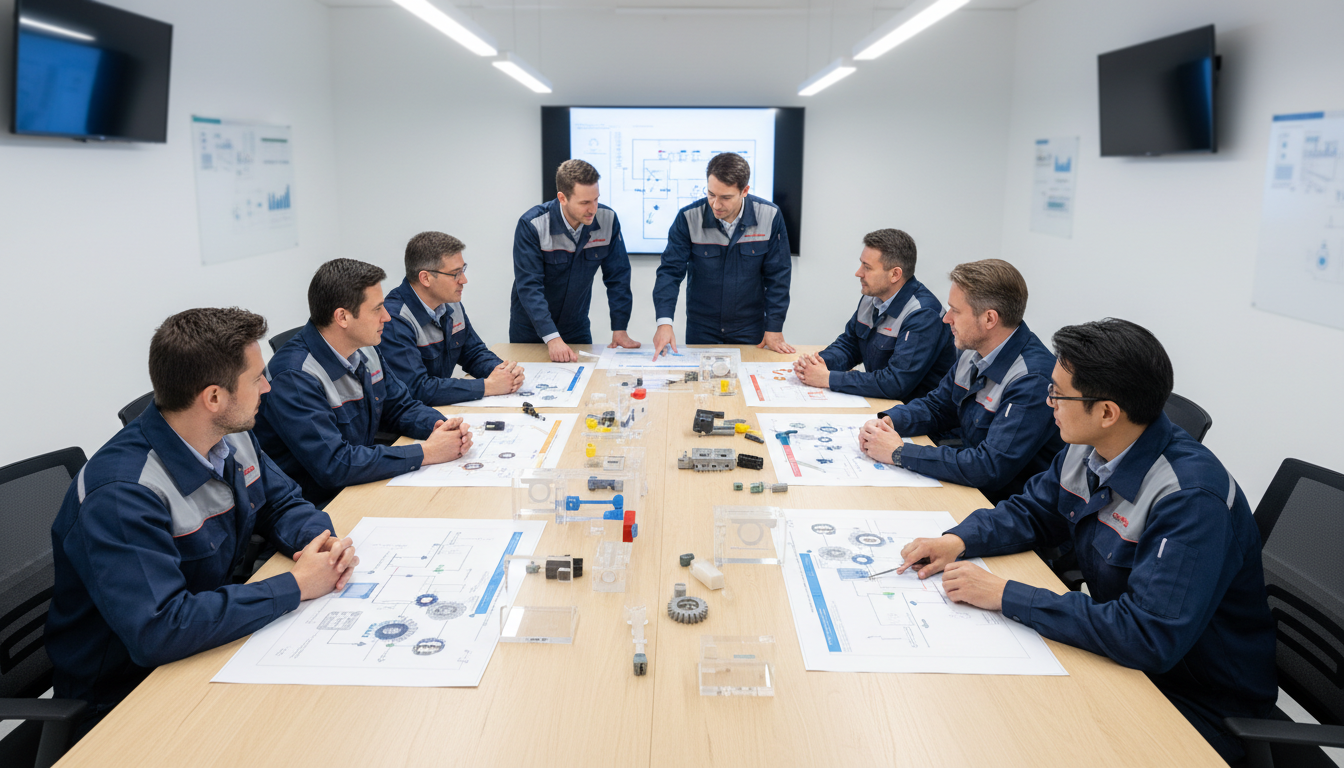
By following these steps, scientific projects can be better prepared for hurricane impacts, ensuring both safety and continuity. An effective hurricane impact assessment not only protects project investments but also contributes to broader community resilience against these powerful natural events.