
Introduction to Environmental Mitigation
Walton County has emerged as a beacon of environmental stewardship, showcasing innovative approaches to reducing ecological footprints. By implementing strategic measures, the county has demonstrated significant progress in mitigating environmental impacts.
These initiatives stand as examples for other regions seeking sustainable development. In this blog post, we will explore various case studies from Walton County that highlight effective environmental mitigation strategies.

Restoration of Coastal Ecosystems
The coastal areas of Walton County have been subject to restoration efforts aimed at preserving biodiversity. One notable project is the restoration of sand dunes, which play a crucial role in protecting inland areas from storm surges and erosion.
By planting native vegetation and installing barriers, the county has successfully stabilized these dunes. This not only helps in maintaining the natural landscape but also supports a diverse range of wildlife.
Community Involvement in Restoration
Community involvement has been a significant factor in the success of these projects. Residents and local organizations have actively participated in beach clean-ups and replanting efforts, fostering a sense of ownership and responsibility towards the environment.
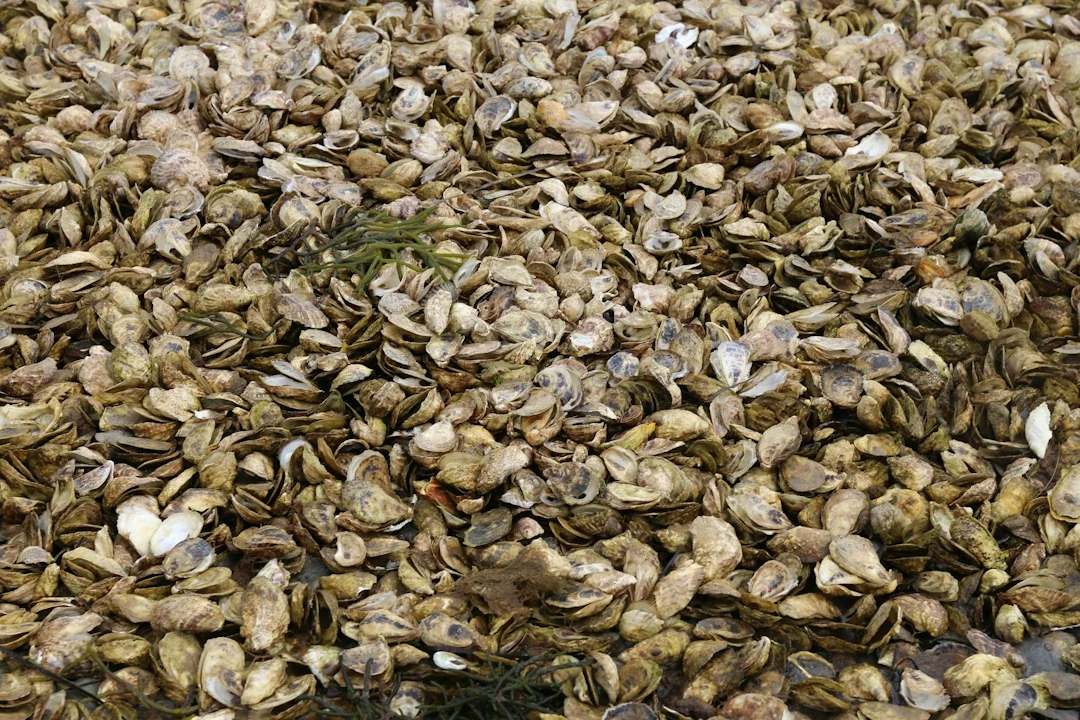
Innovative Waste Management Solutions
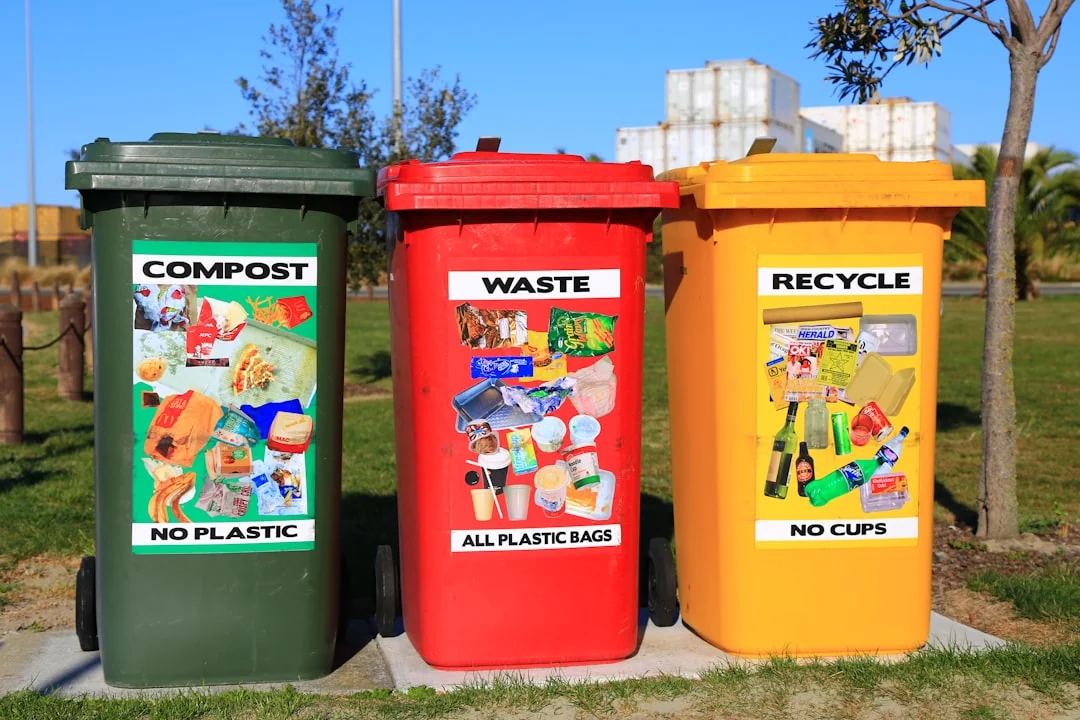
Walton County has also made strides in improving waste management practices. By introducing a comprehensive recycling program, the county has significantly reduced landfill dependency.
The program encourages residents to recycle household waste effectively, providing convenient drop-off points and educational workshops on waste segregation.
Adoption of Composting Techniques
In addition to recycling, the county has promoted composting as a viable method to manage organic waste. By setting up community composting sites, residents can contribute to creating nutrient-rich soil, benefiting local agriculture.
Sustainable Urban Development
Urban development in Walton County prioritizes sustainability. New constructions adhere to green building standards, emphasizing energy efficiency and reduced carbon footprints.
Developers are encouraged to use renewable energy sources, such as solar panels, and incorporate green spaces within residential and commercial areas.
Transportation and Green Initiatives
Efforts to reduce vehicular emissions have led to the development of extensive cycling paths and pedestrian-friendly zones. Public transport improvements further support the county’s commitment to reducing reliance on fossil fuels.

Conclusion: Lessons Learned
The initiatives in Walton County demonstrate the impact of strategic planning and community involvement in environmental conservation. By adopting similar practices, other regions can achieve sustainable growth while preserving their natural heritage.
These case studies serve as inspiration, proving that with commitment and collaboration, significant progress in mitigating environmental impact is achievable.
Part of the EcoGuardian journal. This article retains its original publication context; references to grants, regulations, research, and services may have changed since publication.