Understanding Environmental Impact Assessments in Florida
Environmental Impact Assessments (EIAs) play a crucial role in evaluating the potential effects of development projects on Florida's diverse ecosystems. Despite their importance, several myths surround these assessments, leading to misunderstandings and misinterpretations. This blog post aims to dispel some of these myths and provide clarity on the facts about EIAs in Florida.

Myth: EIAs Are Only Necessary for Large Projects
One common misconception is that Environmental Impact Assessments are only required for large-scale developments. In reality, both large and small projects may require an EIA depending on their potential environmental impact. This ensures that all projects, regardless of size, consider environmental sustainability and compliance with state regulations.
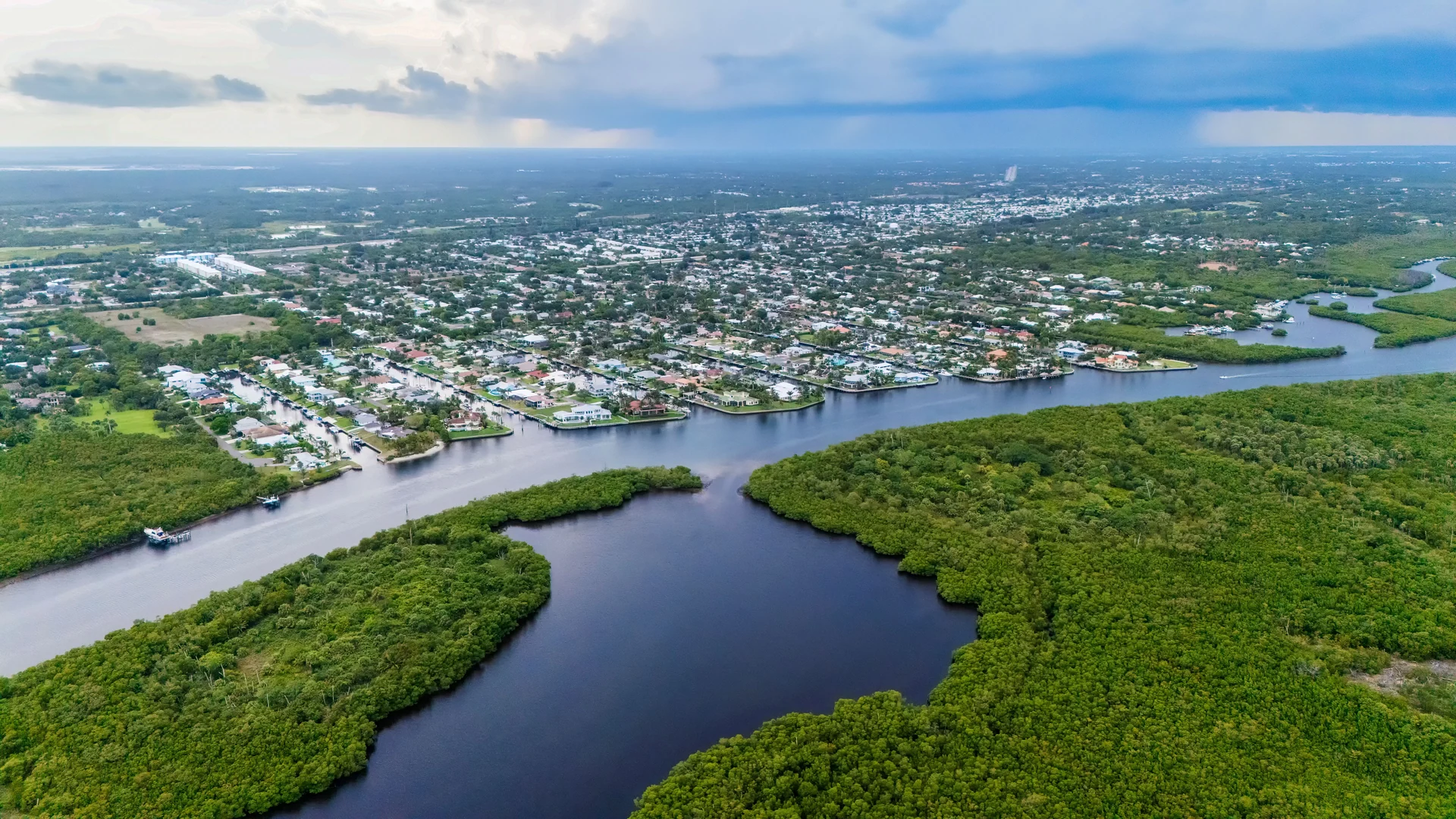
Florida's unique landscape, which includes wetlands, coastal areas, and wildlife habitats, necessitates comprehensive assessments to protect these sensitive environments. As such, even minor developments can have significant ecological effects that need evaluation.
Fact: EIAs Help in Sustainable Development
Another important fact about EIAs is their role in promoting sustainable development. By identifying potential environmental impacts early in the planning process, developers can implement strategies to mitigate negative effects. This proactive approach not only benefits the environment but also enhances project viability by reducing unforeseen complications and costs.
Myth: EIAs Are a Lengthy and Bureaucratic Process
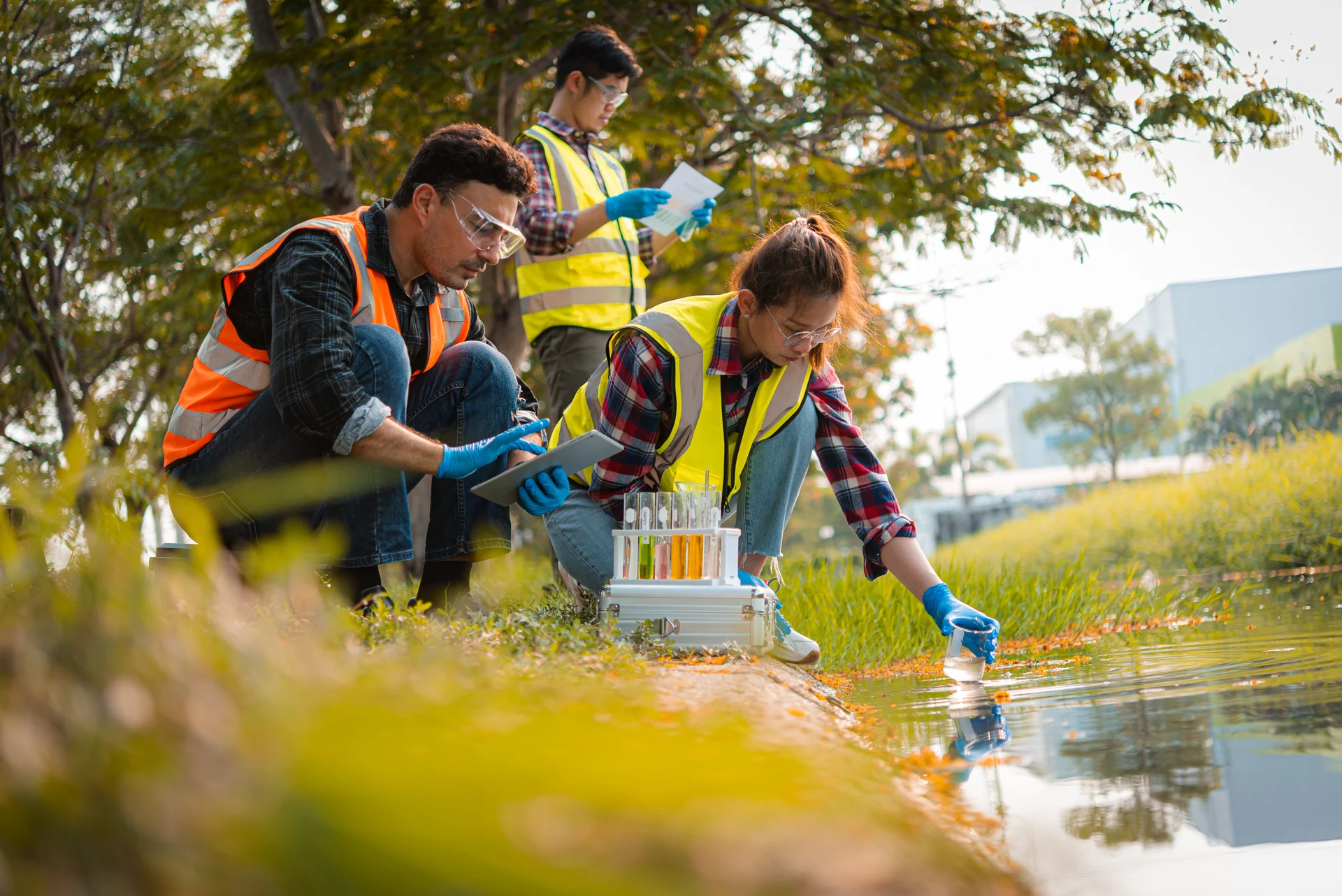
Many believe that EIAs are time-consuming and unnecessarily bureaucratic. While the assessment process can be detailed, it is designed to ensure thorough evaluation and compliance with environmental laws. Efficient planning and collaboration with environmental consultants can streamline the process, making it manageable and effective.
Moreover, Florida has specific guidelines and timelines for conducting EIAs, which helps in maintaining a balance between thoroughness and efficiency. Understanding these guidelines can aid developers in navigating the EIA process more smoothly.
Fact: Public Participation Is a Key Component
Public involvement is a critical aspect of Environmental Impact Assessments in Florida. The process encourages community engagement, allowing residents to voice concerns and provide input on proposed developments. This participatory approach ensures transparency and fosters trust between developers and the community.

Public hearings and comment periods are integral to the EIA process, providing opportunities for stakeholders to influence project outcomes positively. This collaboration between developers and the public often leads to more environmentally responsible and community-friendly projects.
Myth: EIAs Guarantee Project Approval
A common myth is that completing an EIA guarantees project approval. However, an EIA is an assessment tool that informs decision-making rather than a rubber stamp for approval. Based on the findings, projects may require modifications to address identified environmental concerns before receiving the green light.
Understanding the role of EIAs as a decision-making aid, rather than a guarantee, is crucial for developers and stakeholders alike. This perspective emphasizes the importance of using EIAs to enhance project design and reduce environmental risks.
Part of the EcoGuardian journal. This article retains its original publication context; references to grants, regulations, research, and services may have changed since publication.