Understanding the Importance of Seasonal Considerations
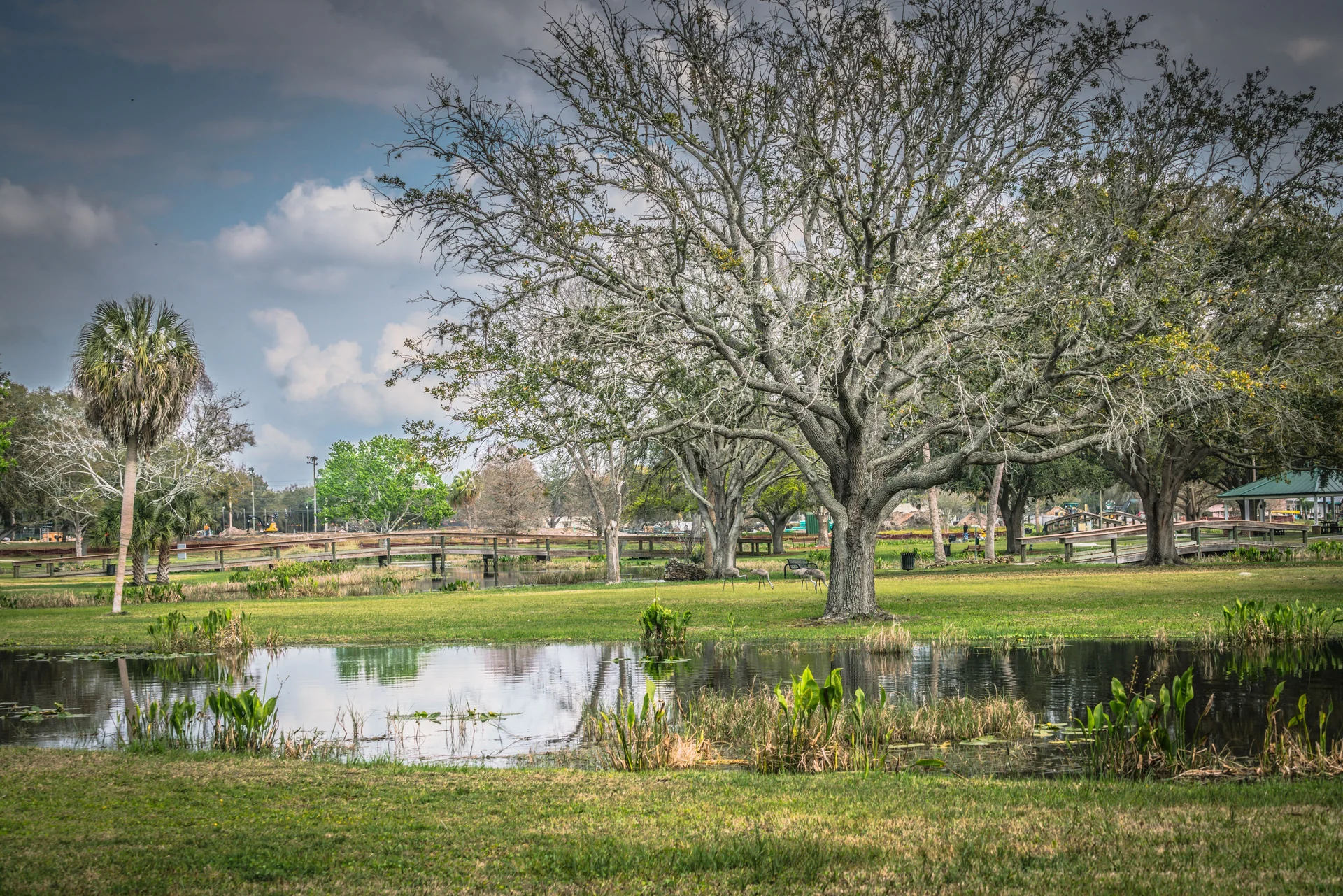
Florida's unique climate and diverse ecosystems present specific challenges and opportunities for environmental assessments. The state's weather patterns, from humid summers to mild winters, significantly influence the timing and methodology of these assessments. Understanding these seasonal variations is crucial for accurate and effective evaluations.
Environmental assessments in Florida often require adjustments based on the time of year. Different seasons can impact wildlife behavior, plant growth, and water levels, which are all critical factors in these evaluations. Being aware of these changes helps in planning and conducting thorough assessments.
Impact of Wet and Dry Seasons
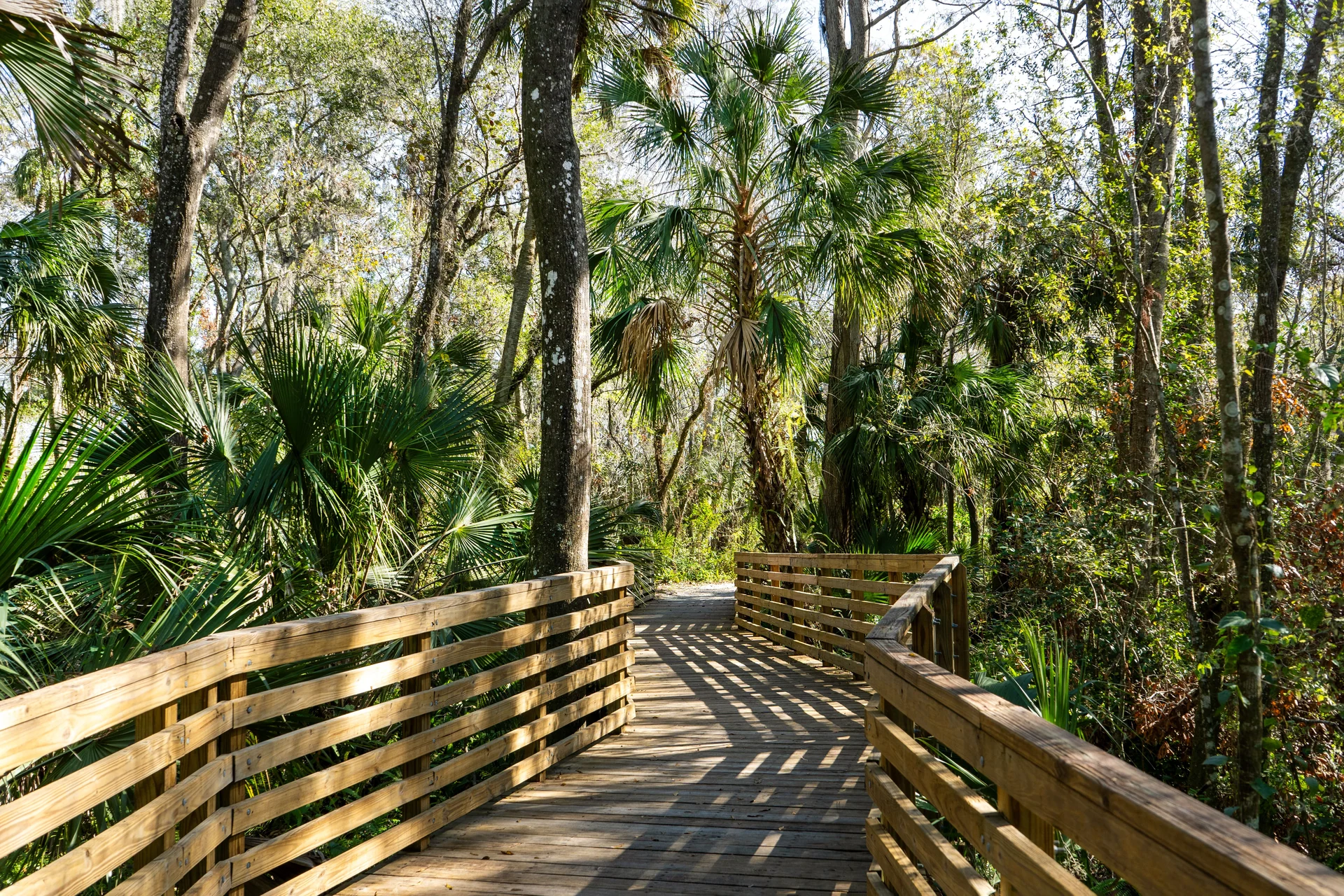
Florida experiences distinct wet and dry seasons, each playing a vital role in environmental assessments. During the wet season, typically from May to October, increased rainfall can lead to higher water levels in wetlands and rivers. This can affect access to certain areas and the visibility of various ecological indicators.
The dry season, from November to April, offers a different set of challenges and benefits. Lower water levels may expose areas that are otherwise submerged, allowing for detailed soil and vegetation analysis. However, the drier conditions may also limit the visibility of some aquatic species.
Wildlife Activity and Seasonal Variations
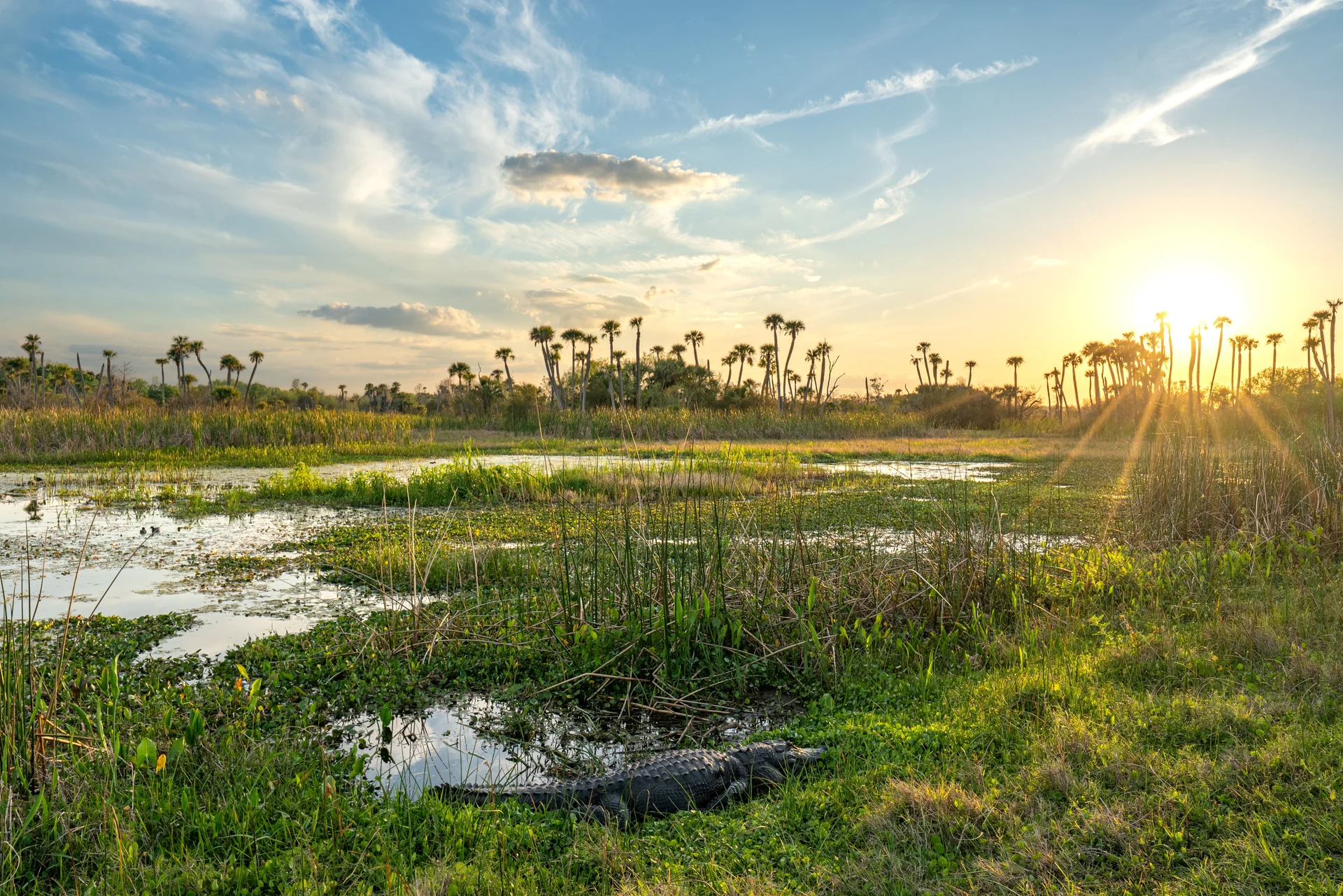
Another important consideration is the seasonal behavior of Florida's wildlife. Many species, such as manatees and certain bird populations, have predictable seasonal patterns. Understanding these patterns is essential for conducting accurate wildlife assessments and ensuring compliance with environmental regulations.
For example, manatees migrate to warmer waters during the cooler months, which can affect their presence in certain assessment areas. Bird nesting seasons also vary, requiring careful planning to avoid disturbances.
Vegetation Changes Throughout the Year
Florida's diverse plant life also undergoes changes throughout the year. Seasonal growth patterns can impact the identification and evaluation of plant species, which are often key indicators in environmental assessments.
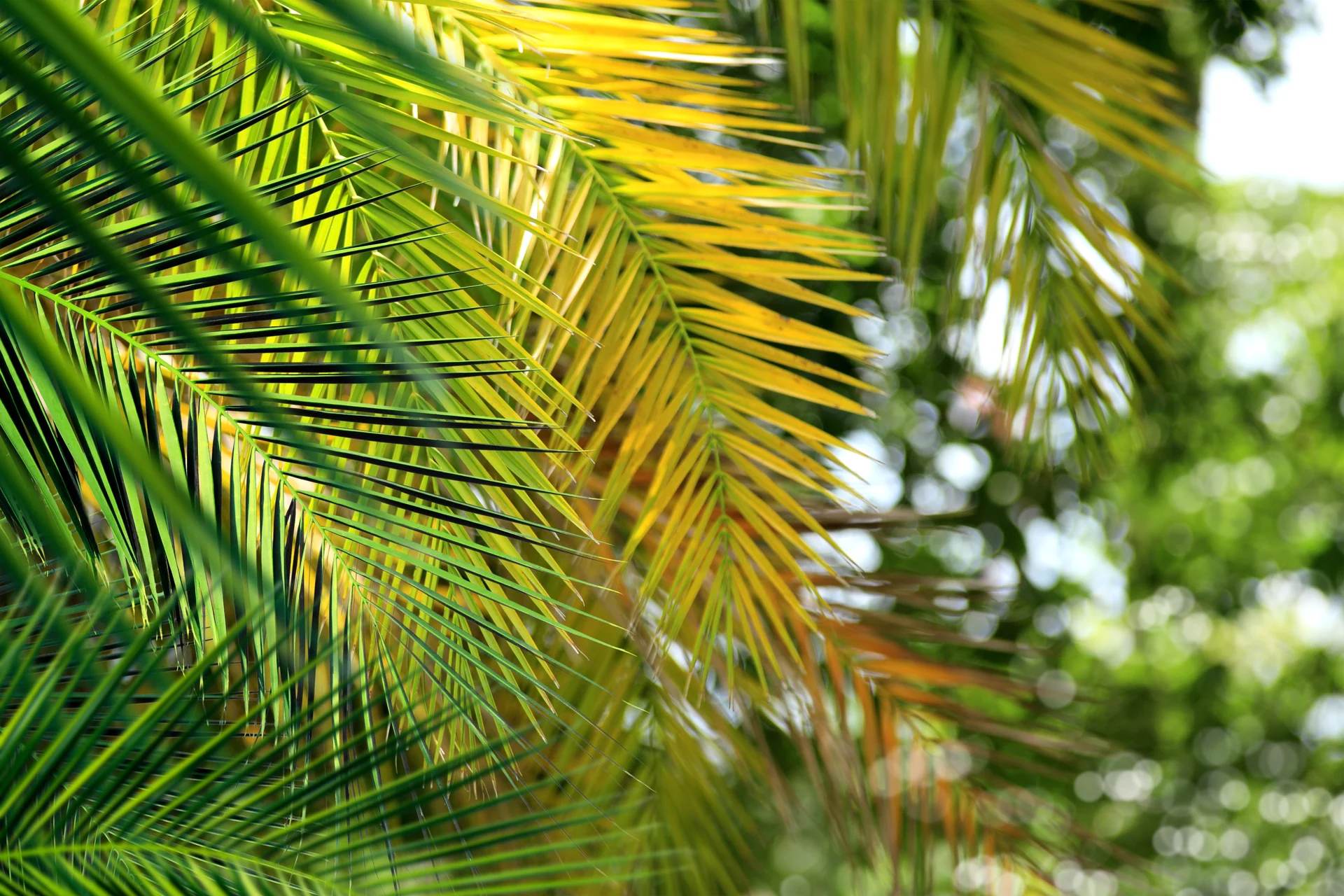
During the spring and summer months, many plants are in full bloom, making it easier to identify species and assess their health. Conversely, winter months may cause some species to become dormant, requiring experts to rely on other identification methods.
Challenges in Coastal Areas
Coastal areas in Florida present additional seasonal challenges. Hurricanes and tropical storms, most common from June to November, can quickly alter landscapes and ecosystems. These events necessitate timely and flexible assessment strategies to address potential environmental impacts.
Understanding the timing and impact of these natural phenomena is essential for protecting Florida's coastal ecosystems and ensuring resilient environmental planning.
Planning and Adapting to Seasonal Changes
Effective environmental assessments in Florida require careful planning and adaptation to seasonal changes. Professionals must remain vigilant and flexible, adjusting their methodologies to reflect the current conditions and expected seasonal shifts.
By incorporating seasonal considerations into the planning process, environmental assessments can provide more accurate and meaningful insights, supporting sustainable development and conservation efforts across Florida's diverse landscapes.
Part of the EcoGuardian journal. This article retains its original publication context; references to grants, regulations, research, and services may have changed since publication.