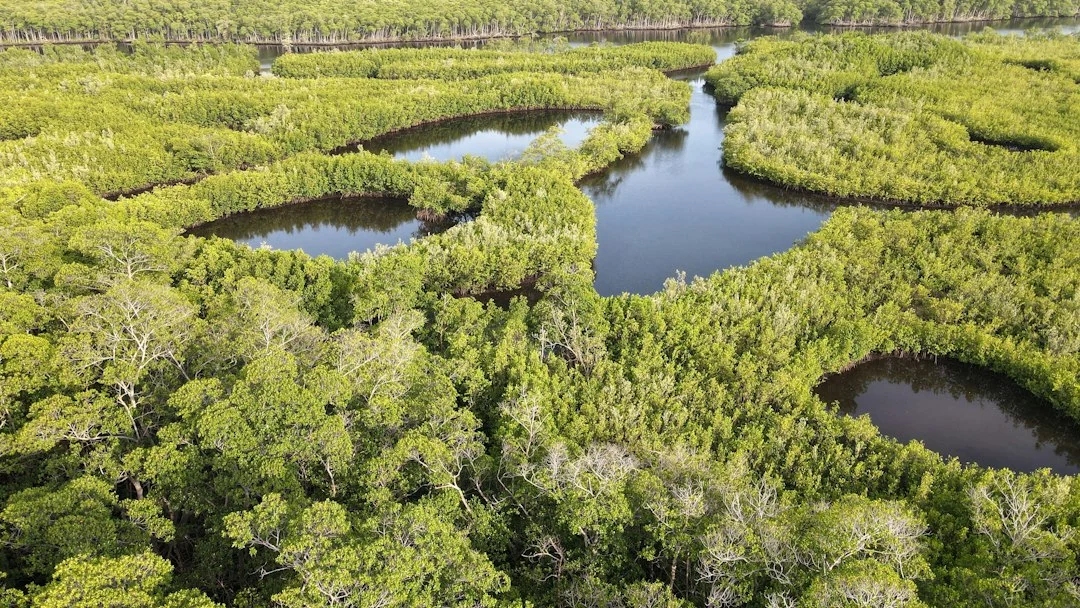
Understanding the Impact of Climate Change on Florida's Ecosystems
Florida is home to diverse ecosystems ranging from wetlands and marshes to coastal beaches. However, these unique environments are increasingly threatened by climate change. Rising temperatures and sea levels, alongside shifting weather patterns, are altering habitats and endangering wildlife. To preserve these natural treasures, it is essential to understand and address these challenges.
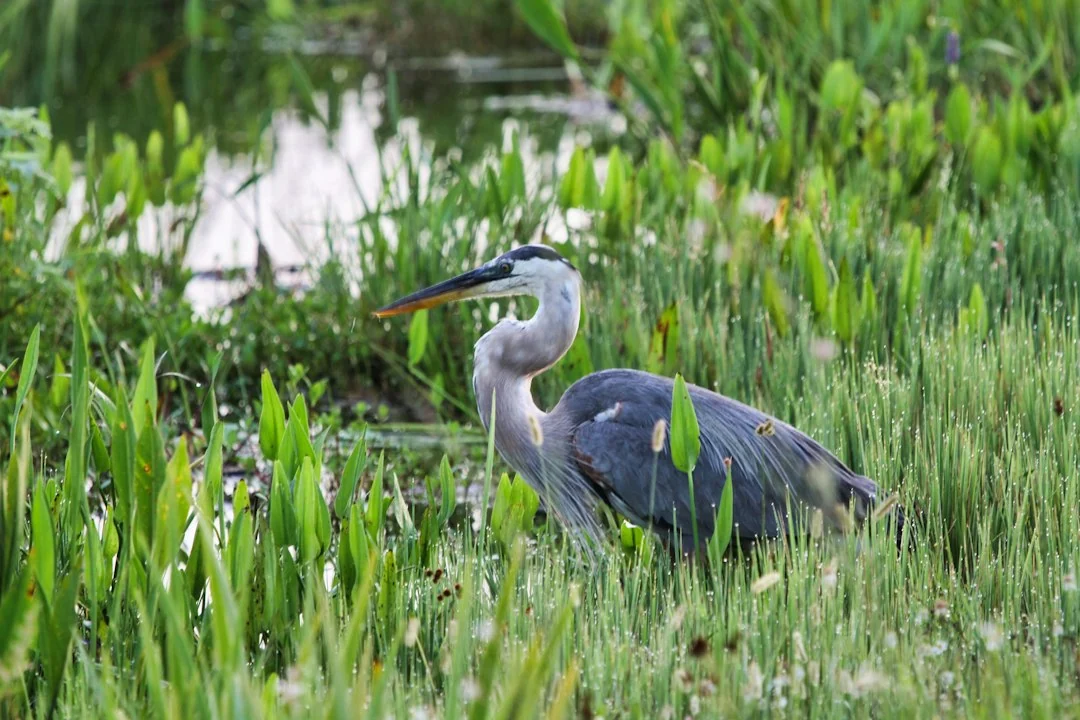
Climate change affects various aspects of Florida’s ecosystems. One significant issue is the increasing frequency and intensity of storms. These weather events not only cause immediate damage but also lead to long-term ecological changes. Additionally, ocean acidification threatens marine life, particularly coral reefs, which are crucial for biodiversity and coastal protection.
Implementing Conservation Strategies
To combat these effects, implementing effective conservation strategies is crucial. Protecting natural habitats through conservation easements and establishing marine protected areas can help preserve biodiversity. Additionally, restoring damaged ecosystems by replanting native vegetation and restoring natural water flows can enhance resilience.
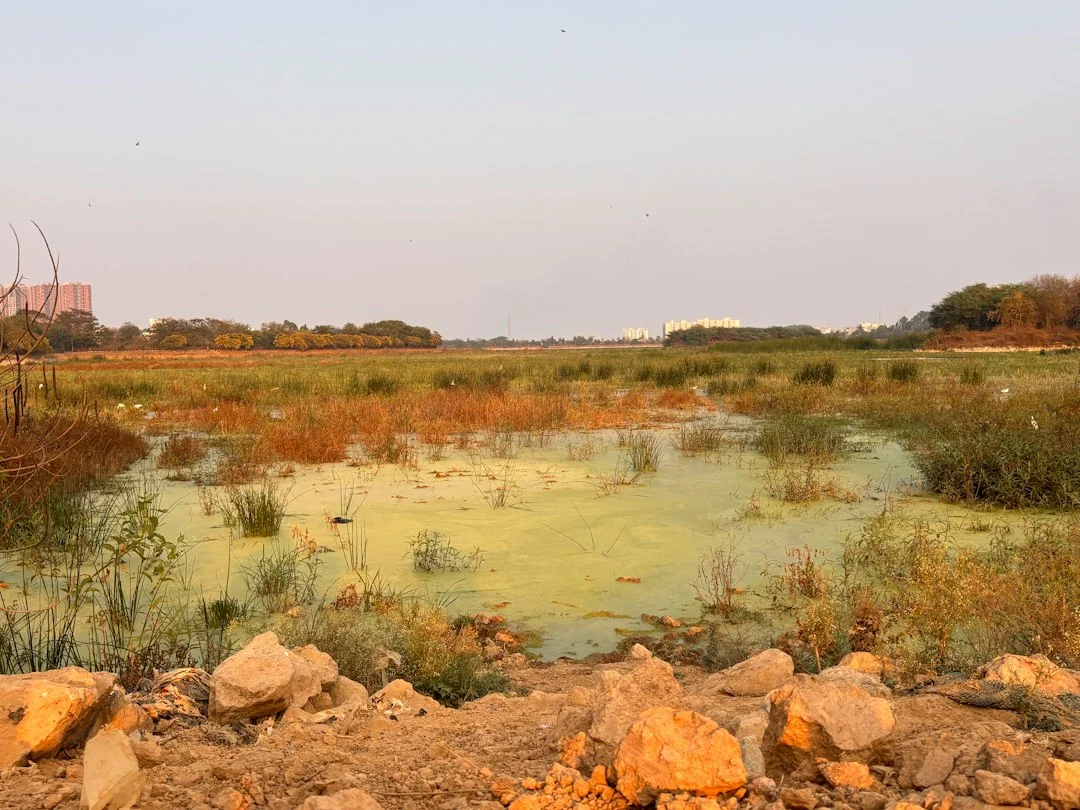
Another effective approach is community involvement. Encouraging local communities to participate in conservation efforts can lead to more sustainable practices. Educational programs and volunteer opportunities can empower residents to take active roles in protecting their environment.
Adapting to Changing Conditions
Adaptation is a key component of protecting Florida’s ecosystems. This includes designing infrastructure that can withstand extreme weather and rising sea levels. For example, constructing living shorelines instead of traditional seawalls can reduce erosion while providing habitat for marine organisms.
Moreover, investing in research to better understand the impacts of climate change on local ecosystems is essential. This knowledge can guide policy decisions and resource allocation, ensuring that efforts are both effective and efficient.
Promoting Sustainable Practices
Individual actions also play a significant role in protecting Florida’s ecosystems. Reducing carbon footprints, supporting renewable energy, and practicing sustainable agriculture can collectively make a substantial impact. Simple changes like reducing water usage and minimizing waste can contribute to larger conservation goals.
- Reduce plastic consumption
- Support local conservation initiatives
- Participate in community clean-up events
Looking Towards the Future
While the challenges posed by climate change are significant, proactive measures can safeguard Florida’s ecosystems for future generations. By combining conservation, adaptation, and sustainable practices, it is possible to mitigate the effects of climate change and protect the natural beauty and biodiversity of Florida.
Engaging local communities, policymakers, and environmental organizations in ongoing dialogue and action is essential. Together, we can create a resilient and thriving environment that withstands the pressures of a changing climate.
Part of the EcoGuardian journal. This article retains its original publication context; references to grants, regulations, research, and services may have changed since publication.