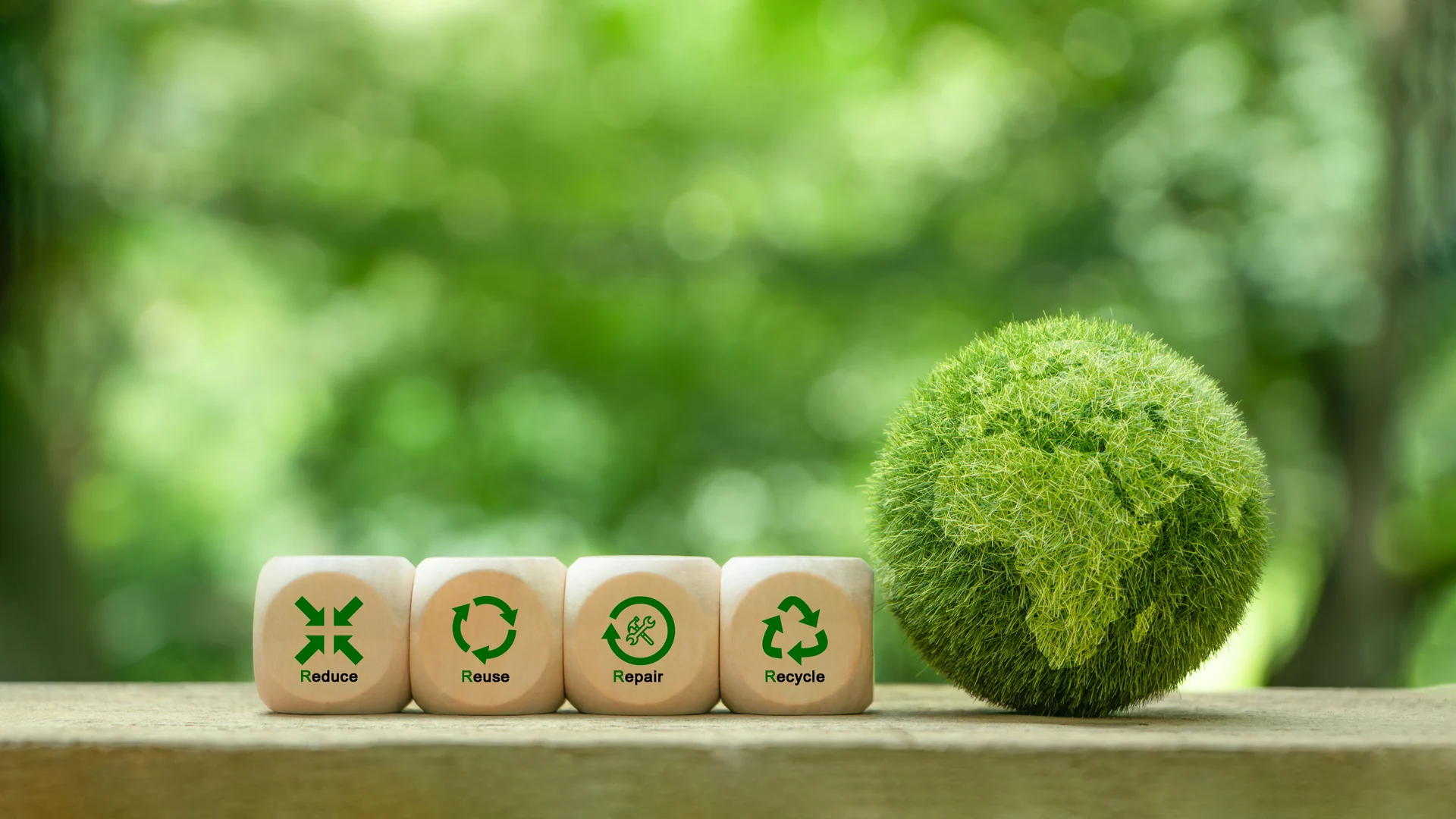
Understanding the Environmental Impact of Hurricanes
Hurricane season brings with it a host of environmental challenges. These powerful storms can cause significant damage to natural habitats, leading to increased pollution and waste. Understanding these impacts is the first step toward reducing our ecological footprint during this time.
Hurricanes often result in the destruction of infrastructure, which can lead to hazardous materials being released into the environment. This makes it crucial for communities to develop strategies that not only protect human life but also minimize harm to nature.
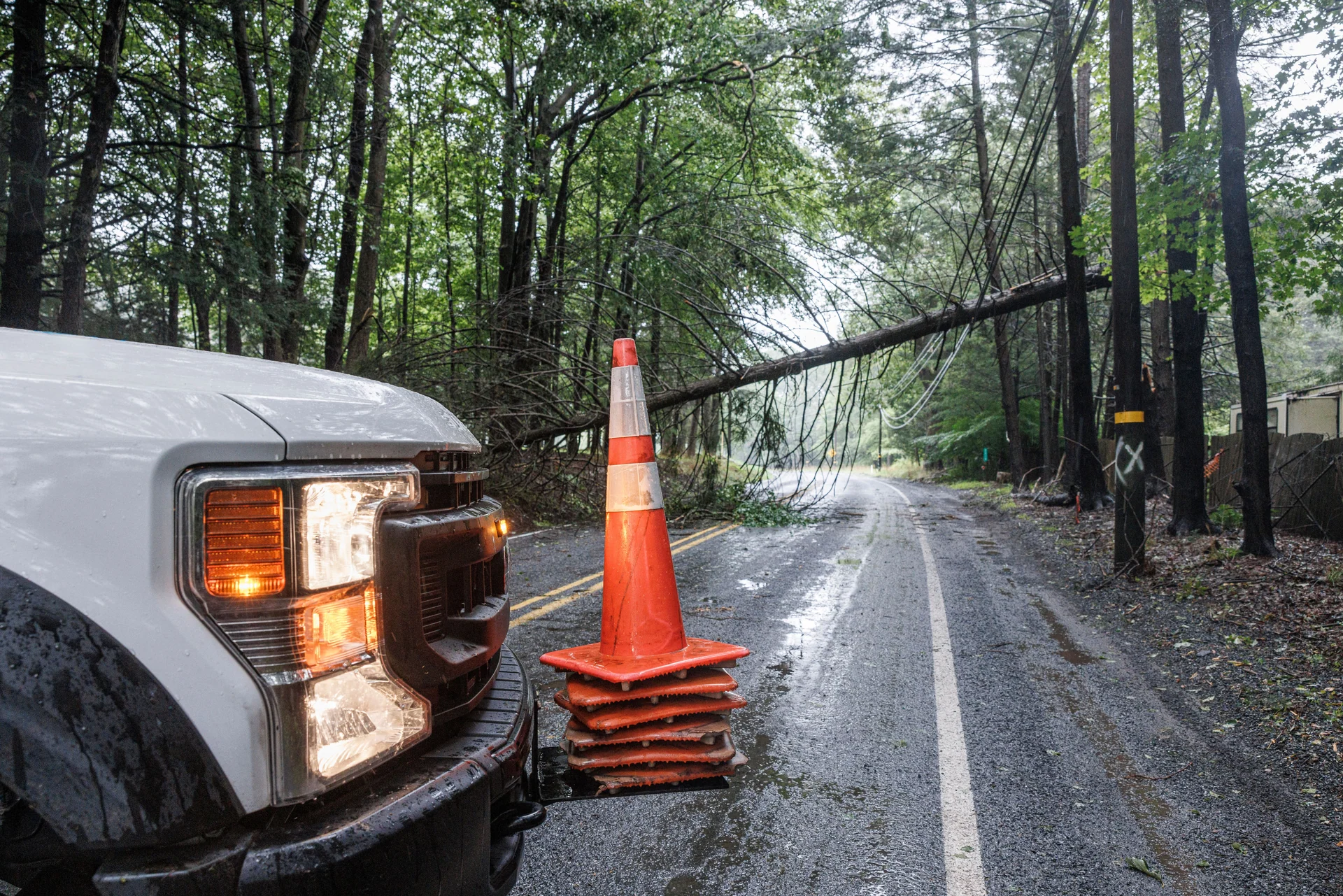
Preparing Your Home for Hurricane Season
One of the best ways to reduce environmental impact is by preparing your home effectively. Start by ensuring that your home is energy-efficient. This can include sealing windows and doors and using energy-efficient appliances. Such measures not only reduce your energy consumption but also make your home more resilient to storms.
Consider installing a rainwater harvesting system to manage excess water and prevent flooding. This can be an excellent way to reuse water while reducing the strain on local drainage systems during heavy rains.
Using Sustainable Materials
When fortifying your home, opt for sustainable materials. These can include recycled or locally sourced materials that have a lower carbon footprint. This not only helps in reducing environmental impact but also supports local businesses.

Community Involvement and Education
Engaging with your community is an essential part of mitigating hurricane-related environmental issues. Participate in or organize community clean-up events to remove debris and waste from local areas. This not only protects wildlife but also ensures that waterways remain clear.
Education is another powerful tool. By raising awareness about the environmental impacts of hurricanes, communities can work together to develop more sustainable practices and emergency response plans.
Promoting Eco-Friendly Emergency Kits
Encourage the use of eco-friendly emergency kits. These kits should include biodegradable products, solar-powered chargers, and reusable water bottles. By choosing sustainable options, you can significantly reduce the amount of waste generated during emergencies.

Supporting Local Wildlife
Hurricanes can have devastating effects on local wildlife. To help mitigate this, consider creating a wildlife-friendly garden. Plant native vegetation that provides food and shelter for animals displaced by storms.
Additionally, support local wildlife organizations that work to rescue and rehabilitate animals affected by hurricanes. Volunteering your time or donating resources can make a significant impact.
Reducing Waste Post-Hurricane
After a hurricane, communities often face the challenge of dealing with debris. Implementing effective waste management strategies is crucial. Encourage the recycling and repurposing of materials whenever possible.
Host community workshops on composting and sustainable waste practices to ensure that post-hurricane waste is managed responsibly.

Conclusion
Reducing environmental impact during hurricane season requires a collective effort from individuals, communities, and local governments. By preparing effectively, using sustainable materials, and supporting local wildlife, we can mitigate some of the negative effects these storms have on our environment.
Remember, every small action counts. By making conscious choices, we not only protect our planet but also ensure a safer, more resilient community for future generations.
Part of the EcoGuardian journal. This article retains its original publication context; references to grants, regulations, research, and services may have changed since publication.