
Understanding Environmental Impact Assessment (EIA)
An Environmental Impact Assessment (EIA) is a critical process that helps identify the potential environmental effects of a proposed project. The goal is to ensure that decision-makers consider environmental impacts before proceeding with any project that could significantly affect the environment.
Conducting an EIA involves several steps, each designed to thoroughly evaluate the ecological, social, and economic consequences. This comprehensive guide outlines the essential stages of an EIA, providing a detailed framework for effective assessment.

Step 1: Screening
The screening process determines whether a project requires a full EIA. Not all projects will need this extensive evaluation, so this initial step helps avoid unnecessary assessments. Projects are typically screened based on their size, location, and potential impact.
If a project is deemed significant enough to warrant an EIA, it moves on to the next stage. This decision is crucial as it sets the foundation for the entire assessment process.
Step 2: Scoping
Scoping identifies the key environmental issues and concerns that need to be addressed. During this phase, stakeholders, including the public and experts, are consulted to ensure that all potential impacts are considered. This collaborative approach helps in setting the boundaries for the study.

The scoping process results in a detailed plan that outlines the specific areas of study, methodologies, and timelines, ensuring a focused and efficient assessment.
Step 3: Baseline Study
A baseline study is conducted to gather comprehensive data about the current state of the environment. This includes information on the existing flora, fauna, water resources, air quality, and socio-economic conditions. The data serves as a benchmark for measuring the project's impact.
Accurate baseline data is crucial for predicting changes and assessing the magnitude of potential impacts, making this step one of the most detailed parts of the EIA process.
Step 4: Impact Prediction and Evaluation
In this stage, the potential impacts of the project are predicted and evaluated based on the baseline data. The assessment considers various scenarios and uses models to forecast the project's effects on the environment. This helps in understanding the severity and duration of potential impacts.
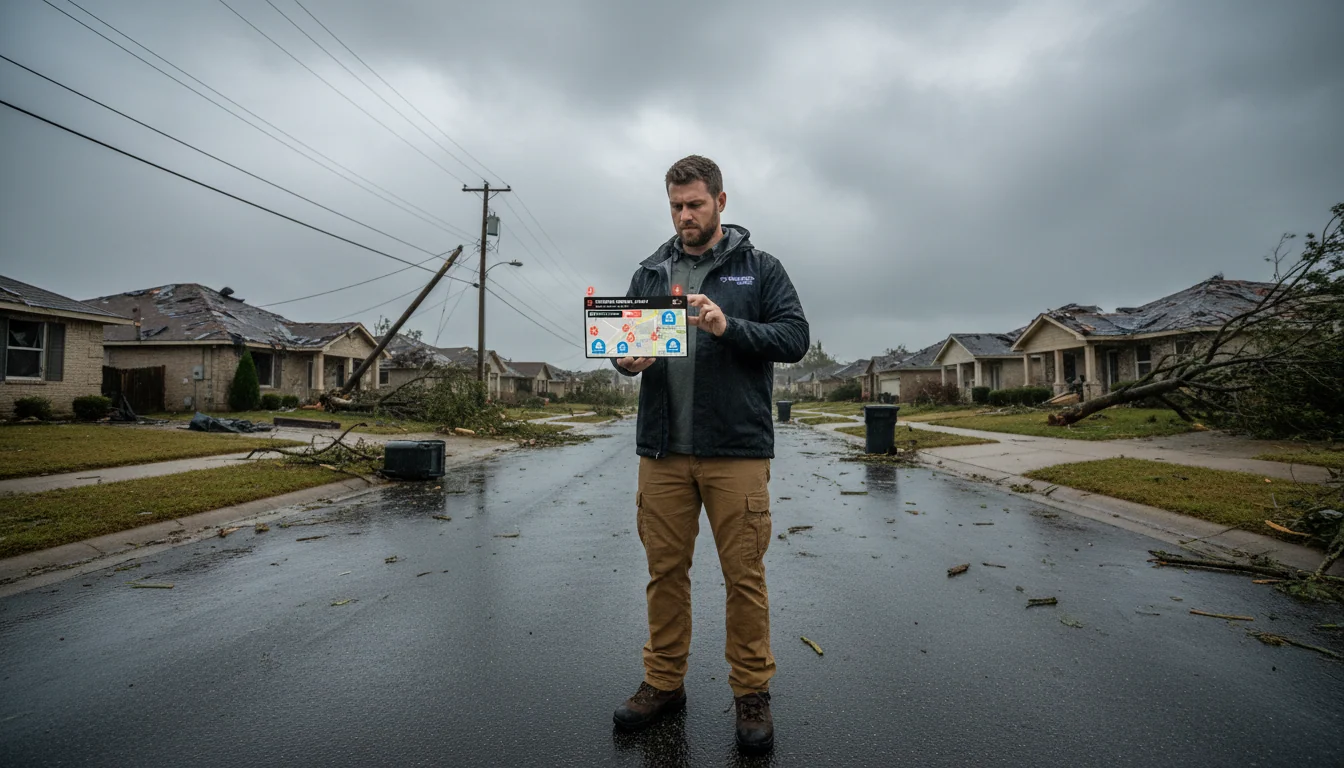
Impact evaluation is essential for identifying significant effects that require mitigation. By understanding these impacts, decision-makers can develop strategies to minimize negative outcomes.
Step 5: Mitigation Measures
Once the potential impacts are identified, the next step is to develop mitigation measures. These are strategies designed to prevent, reduce, or offset adverse impacts. Mitigation can include design modifications, technological solutions, or conservation efforts.
The implementation of effective mitigation measures is crucial for reducing the project's environmental footprint and ensuring sustainable development.
Step 6: Environmental Management Plan (EMP)
An Environmental Management Plan (EMP) outlines the actions required to implement the mitigation measures. It includes monitoring programs, responsibilities, timelines, and resources needed to manage environmental impacts throughout the project's lifecycle.

The EMP ensures that all stakeholders are aware of their roles and responsibilities, facilitating coordinated efforts to achieve environmental goals.
Step 7: Reporting and Review
The final EIA report is prepared, summarizing the findings, methodologies, and recommended actions. This report is reviewed by regulatory authorities and stakeholders to ensure completeness and accuracy.
The review process often involves public consultations, providing transparency and building trust among the community and stakeholders.
Step 8: Decision-Making and Monitoring
Based on the EIA report and stakeholder feedback, authorities make informed decisions about project approval and conditions. If approved, the project proceeds with ongoing monitoring to ensure compliance with environmental standards.
Continuous monitoring helps in adapting to any unforeseen impacts, ensuring that the project remains environmentally responsible throughout its duration.
Part of the EcoGuardian journal. This article retains its original publication context; references to grants, regulations, research, and services may have changed since publication.