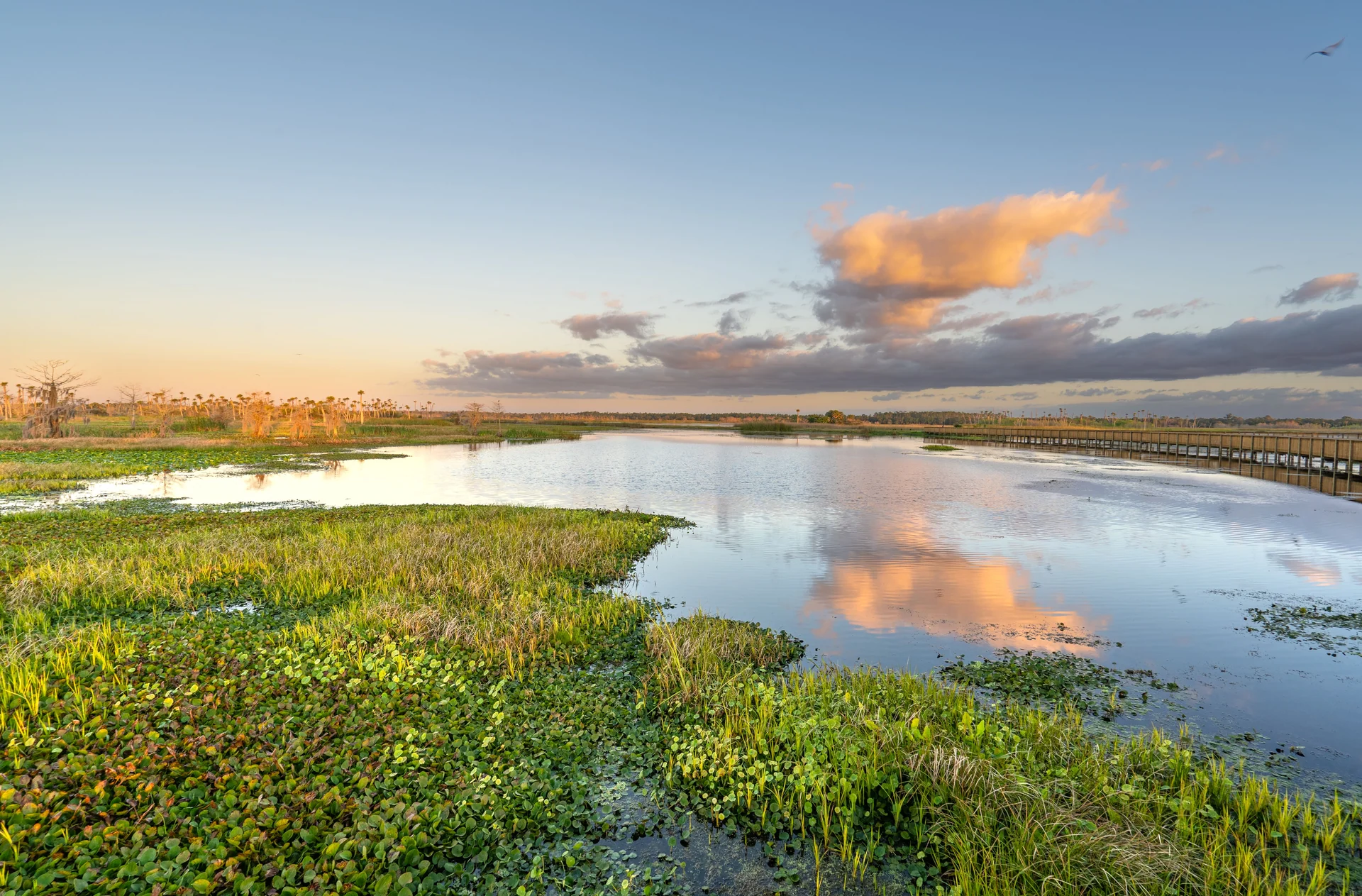
The Importance of Wetland Restoration
Florida's wetlands are vital ecosystems that provide numerous environmental benefits. These areas support a diverse range of wildlife, help in flood control, and improve water quality by filtering pollutants. However, due to urbanization and climate change, many of these crucial habitats have been degraded or destroyed.
Restoration projects are essential to bringing back the health and functionality of these ecosystems. By reintroducing native plants and reconstructing natural water flow, these projects aim to restore the balance and ensure the sustainability of wetlands.
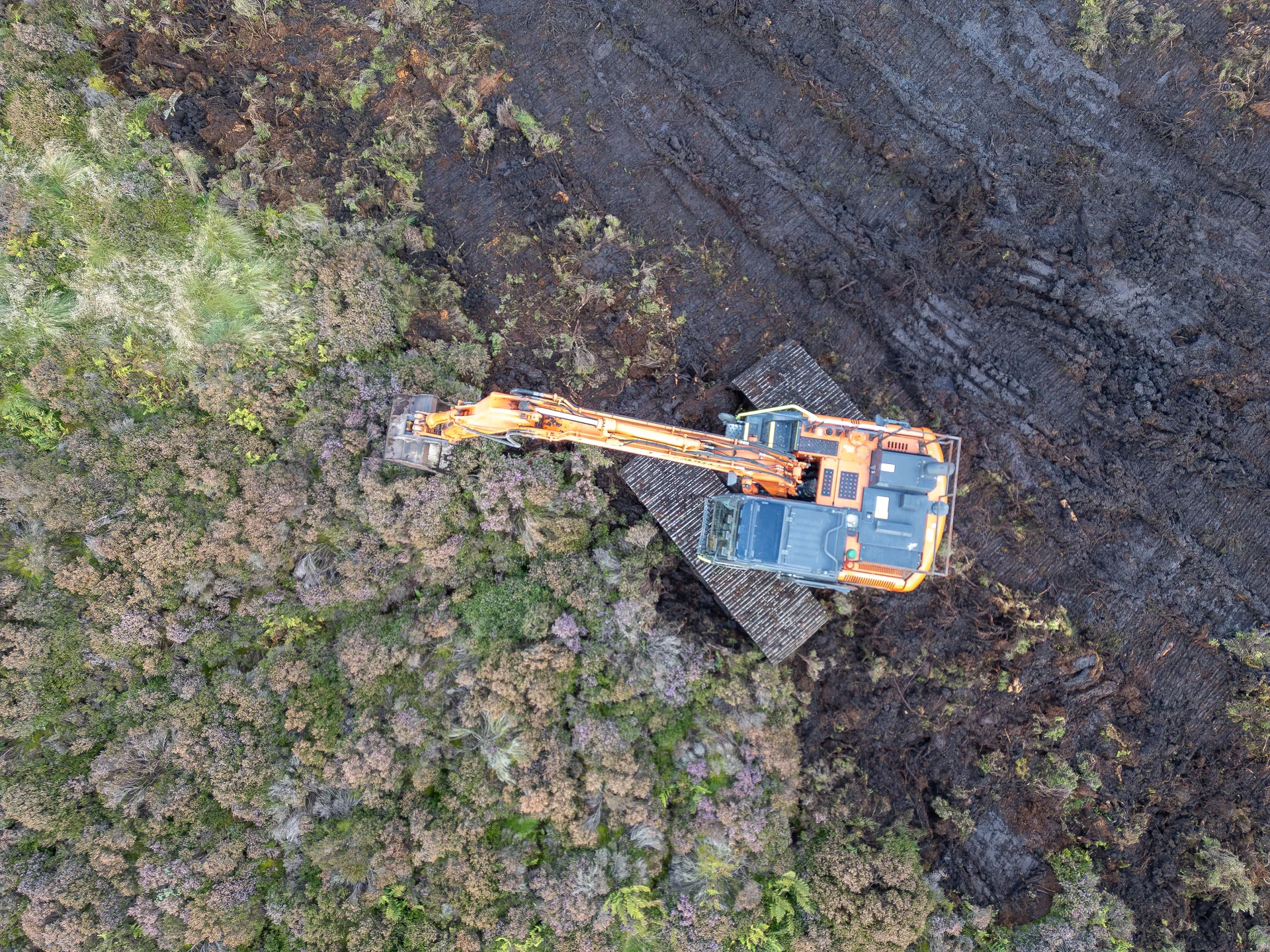
Case Study: Everglades Restoration
The Everglades, often referred to as the "River of Grass," is one of the most well-known wetlands in Florida. Restoration efforts here have been monumental. The Comprehensive Everglades Restoration Plan (CERP) is a collaborative effort aimed at restoring the natural flow of water through the ecosystem.
This project involves a series of initiatives, including removing invasive species and constructing reservoirs to manage water levels. The goal is to restore the natural hydrology, which is essential for the wildlife and plant species that call the Everglades home.
Successful Outcomes
One of the significant successes of this restoration effort is the return of native species such as the wood stork and the American crocodile. These species are indicators of a healthy ecosystem, and their resurgence is a positive sign of recovery.
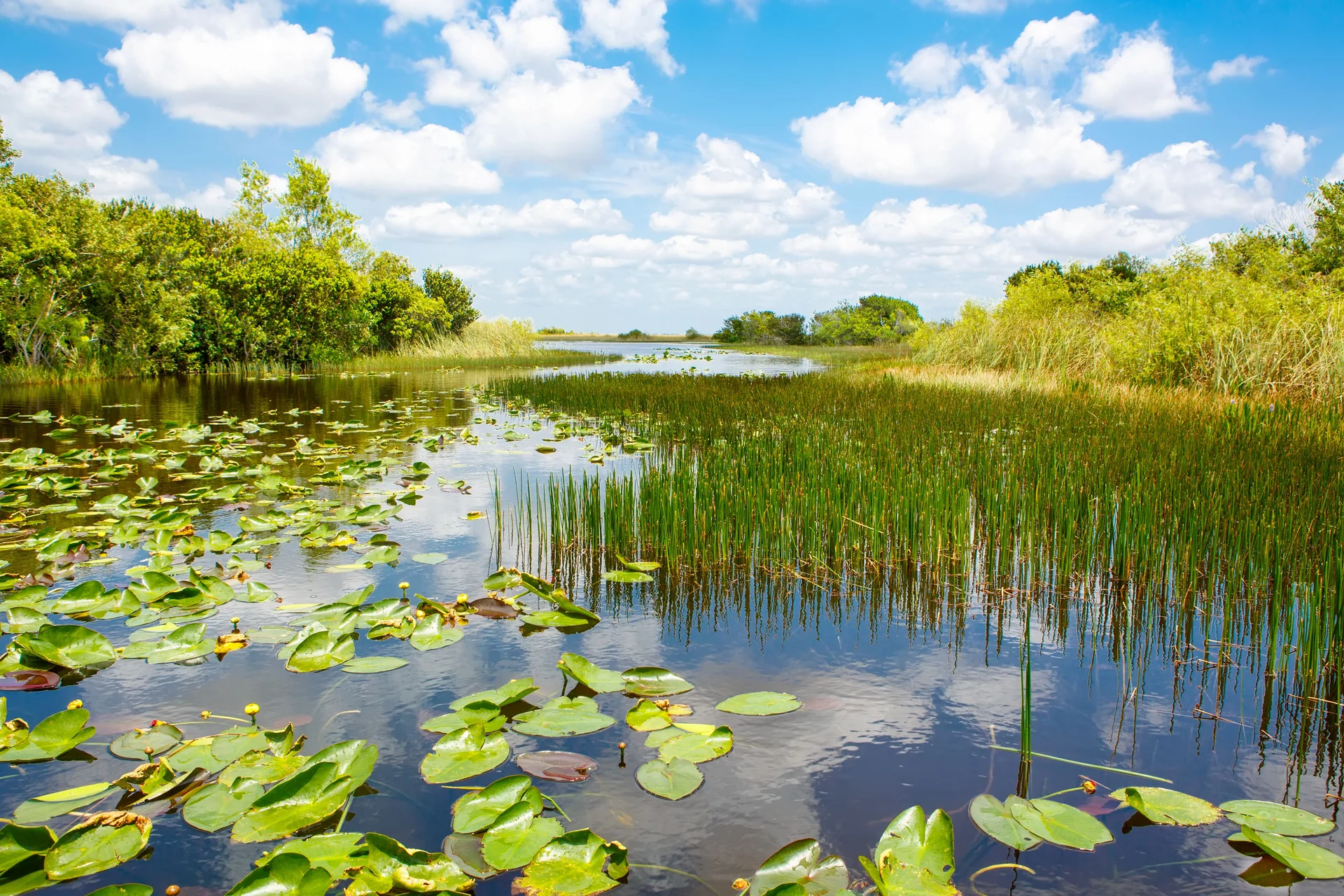
Community Involvement in Restoration
Community involvement is a crucial component of successful wetland restoration projects. Local organizations and volunteers play an active role in planting native vegetation and monitoring wildlife. Educational programs are also in place to raise awareness about the importance of wetlands and how individuals can contribute to conservation efforts.
By engaging local communities, these projects not only restore ecosystems but also foster a sense of stewardship and responsibility towards the environment.
Technology and Innovation in Restoration
Advancements in technology have significantly enhanced wetland restoration efforts. Satellite imagery and drones are used to assess areas and track progress. These tools allow for precise mapping and monitoring, ensuring that restoration techniques are effective.

Innovative Techniques
Innovative techniques such as using biodegradable mats for plant stabilization and bioengineering solutions to control erosion are being implemented. These methods are designed to work with natural processes, making restoration efforts more sustainable in the long run.
By combining traditional knowledge with modern technology, Florida's wetland restoration projects are setting benchmarks for ecological recovery worldwide.
Part of the EcoGuardian journal. This article retains its original publication context; references to grants, regulations, research, and services may have changed since publication.