Understanding Sustainable Development
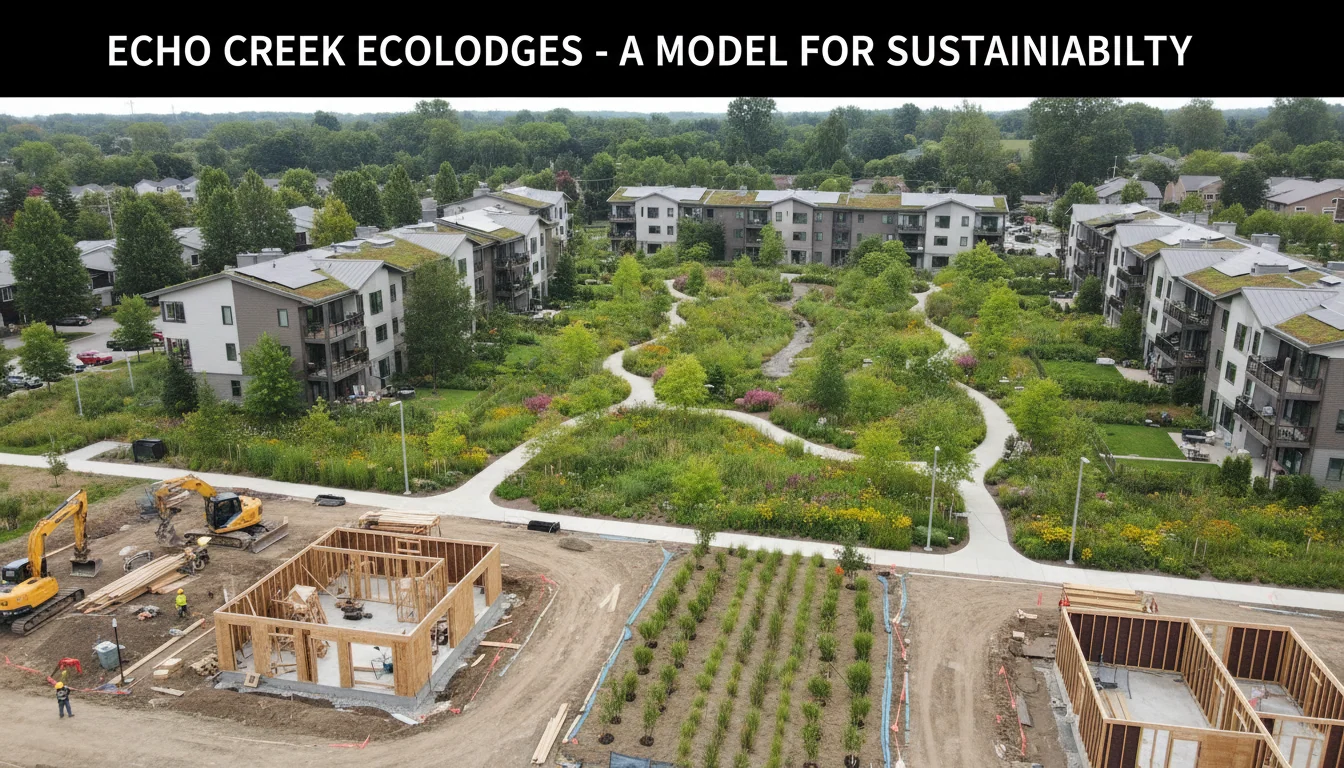
Sustainable development is a holistic approach that seeks to meet the needs of the present without compromising the ability of future generations to meet their own needs. In Walton County, integrating sustainable practices is becoming essential for building a resilient and thriving community. This guide aims to provide practical insights into implementing sustainable development practices in local projects.

The Importance of Sustainable Practices
Adopting sustainable practices in development projects can lead to numerous benefits, including reduced environmental impact, cost savings, and enhanced community well-being. By focusing on long-term solutions, Walton County can ensure a balance between economic growth, environmental protection, and social equity.
Developers and planners are encouraged to incorporate sustainable strategies such as energy-efficient buildings, water conservation, and waste reduction. These elements not only contribute to environmental preservation but can also attract eco-conscious residents and businesses.
Implementing Energy Efficiency
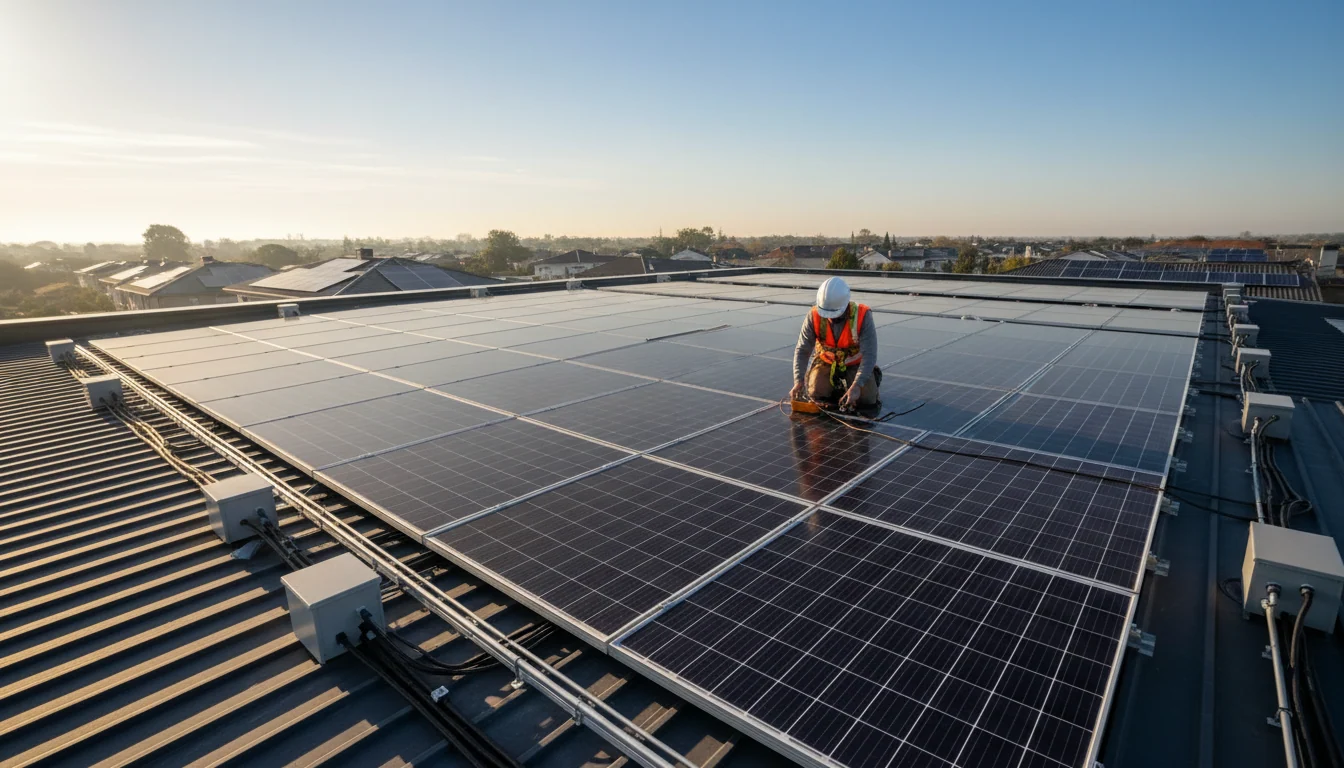
Energy efficiency is a cornerstone of sustainable development. By reducing energy consumption, projects can minimize their carbon footprint and operating costs. In Walton County, developers can use renewable energy sources like solar panels and wind turbines to power buildings sustainably.
Water Conservation Techniques
Water conservation is critical in maintaining sustainable development. Implementing rainwater harvesting systems and low-flow fixtures can significantly reduce water usage in construction projects. Additionally, using native landscaping can minimize the need for irrigation, preserving this vital resource.
By prioritizing water efficiency, Walton County projects can help protect local ecosystems and reduce the strain on public water supplies.
Promoting Sustainable Transportation
Transportation is a major factor in sustainability. Encouraging the use of public transit, bike lanes, and pedestrian-friendly pathways can reduce traffic congestion and lower emissions. In Walton County, projects that integrate these elements contribute to healthier communities and a cleaner environment.

Waste Reduction and Recycling
Effective waste management is essential for sustainable development. By implementing recycling programs and using sustainable materials, projects can significantly reduce their environmental impact. Walton County can benefit from initiatives that promote the reuse and recycling of construction materials.
Developers are encouraged to use materials that are locally sourced and have a lower environmental footprint, fostering a circular economy within the community.
Engaging the Community
Community involvement is crucial in ensuring the success of sustainable development projects. By engaging local residents and stakeholders, projects can align with the needs and values of the community. Hosting workshops and feedback sessions can foster collaboration and support for sustainable initiatives.
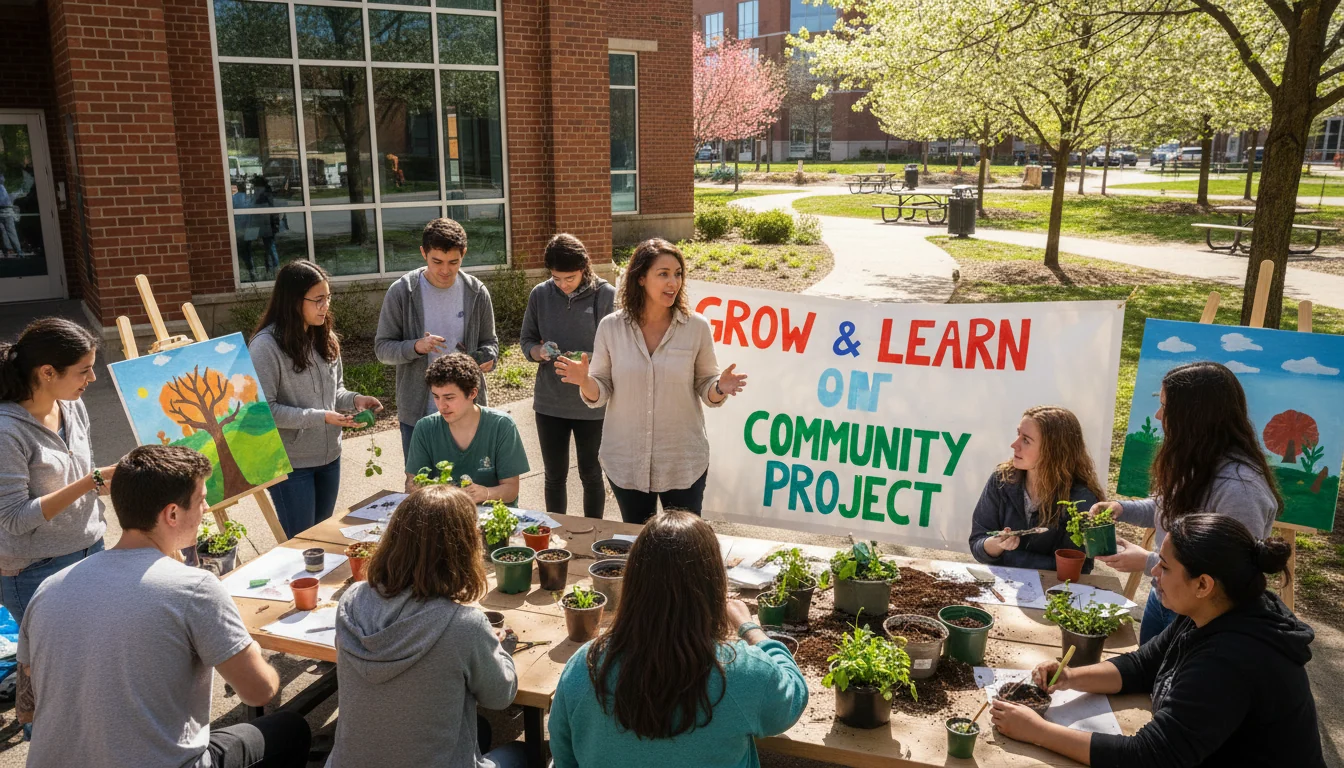
Ultimately, sustainable development in Walton County is about creating a future where people, nature, and economy thrive together. By embracing these practices, the county can lead the way in innovative and responsible development.
Part of the EcoGuardian journal. This article retains its original publication context; references to grants, regulations, research, and services may have changed since publication.