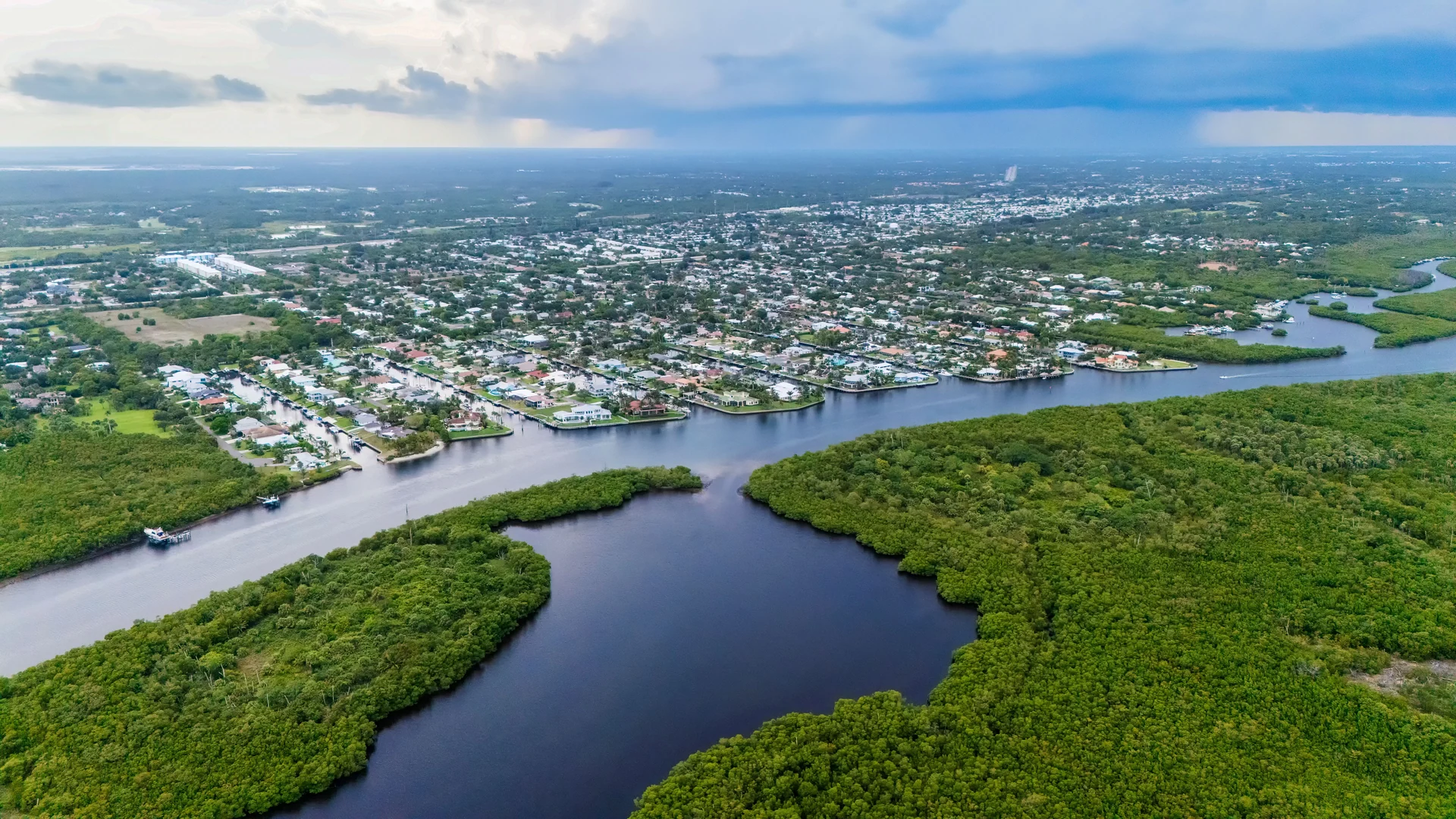
Sustainable Development Trends in Florida
Florida, a state known for its diverse ecosystems and vibrant economy, is rapidly embracing sustainable development. As environmental concerns continue to rise, various innovations are shaping projects across the state. These trends are not only environmentally friendly but also economically viable, ensuring a balanced approach to development.

Green Building Innovations
One of the most significant trends in Florida is the rise of green building practices. Developers are increasingly focusing on eco-friendly materials and energy-efficient designs. The use of solar panels, green roofs, and smart home technology is becoming commonplace. These innovations reduce energy consumption and contribute to the state's sustainability goals.
Moreover, the integration of Leadership in Energy and Environmental Design (LEED) certifications in new projects highlights the commitment to sustainable construction. LEED-certified buildings offer numerous benefits, including reduced operating costs and improved indoor environmental quality.
Water Conservation Techniques
Given Florida's unique water challenges, conservation techniques are critically important. Innovative water management systems, such as rainwater harvesting and greywater recycling, are being implemented in both residential and commercial projects. These systems help reduce water usage and promote sustainability in water-scarce areas.

Additionally, landscape architects are opting for native plants in their designs, which require less water and are more resilient to Florida's climate. This approach not only conserves water but also supports local biodiversity.
Transportation and Urban Planning
To address the growing population and urban sprawl, Florida is investing in sustainable transportation and urban planning. Public transit improvements, such as expanded bus and rail services, are reducing the reliance on personal vehicles and lowering carbon emissions.
Urban planners are also promoting walkable communities and mixed-use developments, which decrease traffic congestion and foster a sense of community. These strategies are essential for creating livable, sustainable cities.

Renewable Energy Sources
Florida's abundant sunshine makes it an ideal location for harnessing solar energy. The state is investing heavily in solar farms and encouraging residential solar panel installations. This shift towards renewable energy sources is reducing dependence on fossil fuels and cutting greenhouse gas emissions.
Furthermore, advancements in battery storage technology are enabling better energy management and distribution. This innovation allows for greater use of solar power, even during cloudy days or nighttime, enhancing energy reliability and sustainability.
Community Involvement and Education
Community involvement plays a pivotal role in the success of sustainable development projects. Public awareness campaigns and educational programs are empowering residents to make environmentally conscious decisions. Initiatives such as community gardens and clean-up drives are fostering a culture of sustainability at the grassroots level.

By engaging local communities, Florida is building a foundation for long-term environmental stewardship. These efforts ensure that sustainable development is not just a trend but a lasting commitment to a healthier planet.
In conclusion, the innovations influencing Florida's sustainable development projects are diverse and impactful. From green building practices to renewable energy sources, these trends are paving the way for a more sustainable future. As Florida continues to grow, these innovations will be crucial in balancing development with environmental preservation.
Part of the EcoGuardian journal. This article retains its original publication context; references to grants, regulations, research, and services may have changed since publication.