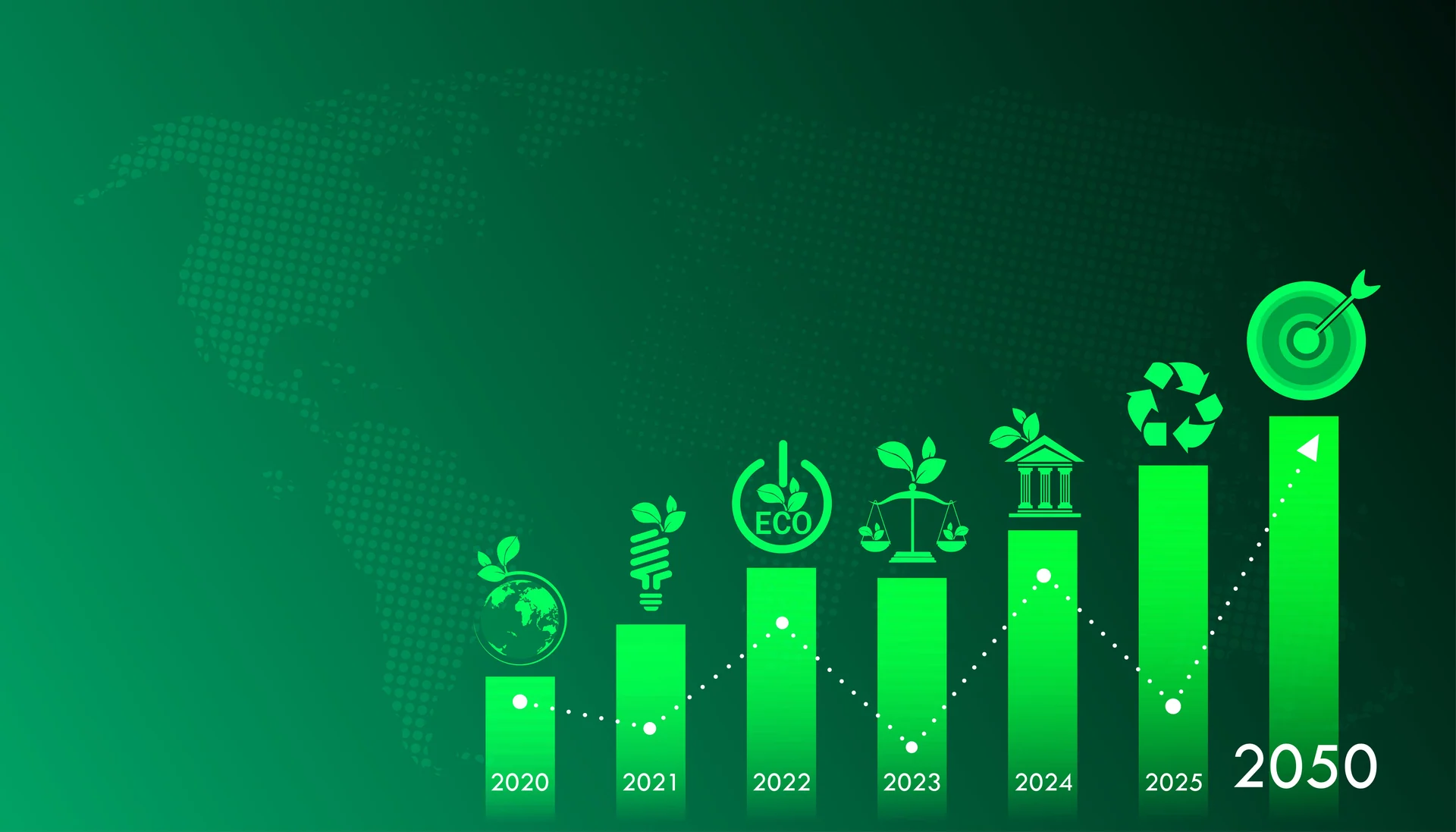
Introduction to Environmental Impact Assessment Trends
Environmental Impact Assessments (EIAs) are crucial for understanding the potential effects of scientific projects on the environment. As our world becomes increasingly aware of ecological concerns, trends in EIAs are evolving to meet the demands of modern scientific endeavors.
These assessments not only help in mitigating negative impacts but also promote sustainable development. Let's explore the top trends that are shaping the future of EIAs.
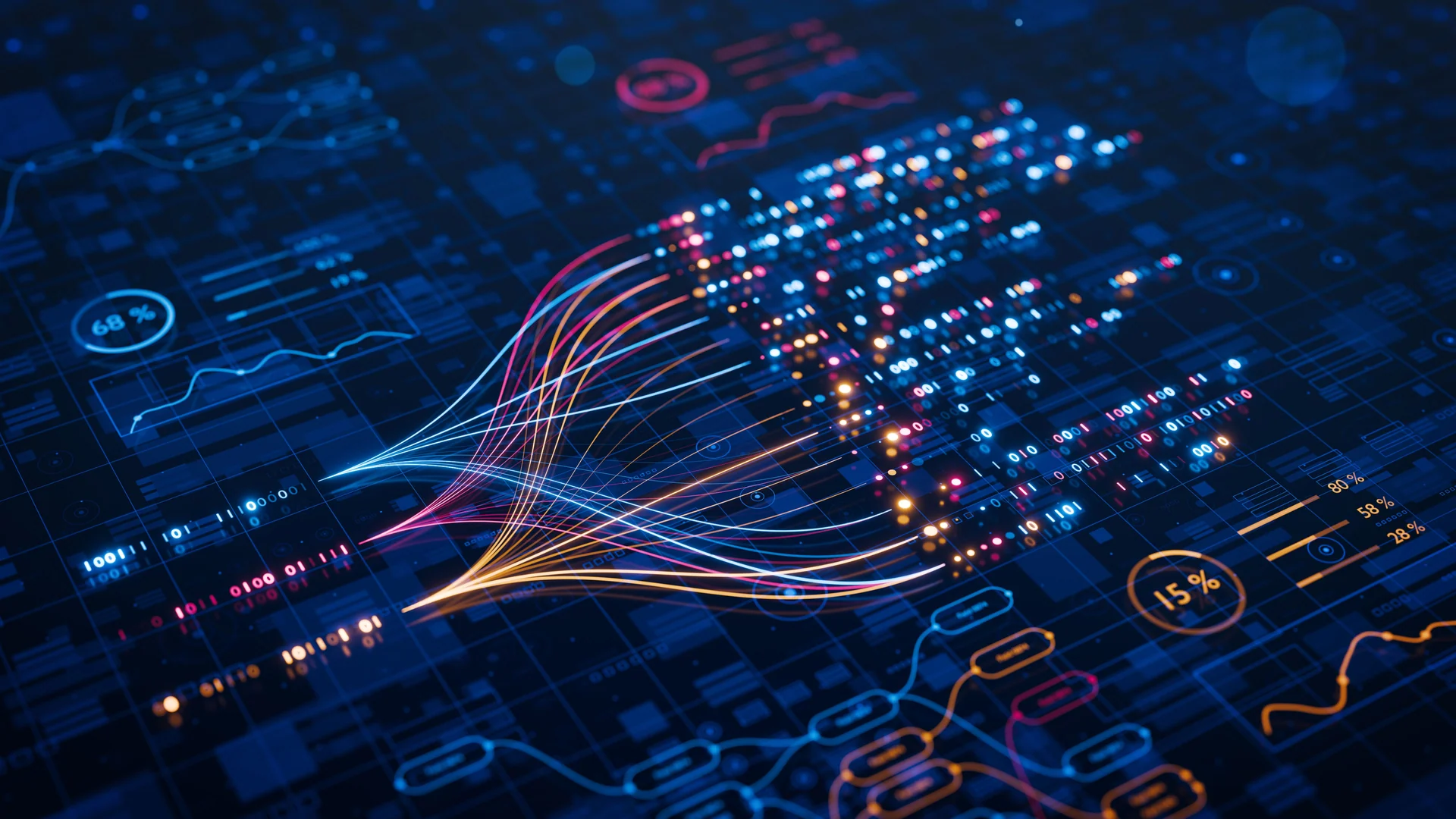
Integration of Technology
One of the most significant trends is the integration of advanced technologies. Tools like Geographic Information Systems (GIS) and remote sensing are now commonly used to analyze environmental data more efficiently. These technologies allow scientists to gather comprehensive data, making assessments more accurate and reliable.
Additionally, the use of artificial intelligence in data analysis is enhancing predictive capabilities, helping scientists foresee potential environmental challenges before they arise.
Focus on Biodiversity
There is an increasing emphasis on assessing the impact of projects on biodiversity. Protecting ecosystems and species diversity has become a priority, and EIAs are now more focused on understanding how projects affect flora and fauna.
Environmental assessments are incorporating biodiversity metrics to ensure that projects contribute positively to ecological balance. The integration of biodiversity considerations into EIAs reflects a broader commitment to preserving natural habitats.
Community Involvement
Another emerging trend is the involvement of local communities in the assessment process. Engaging with communities ensures that their needs and concerns are addressed, leading to more comprehensive evaluations.
This participatory approach not only fosters transparency but also enhances the credibility of the assessment outcomes. Community input can provide valuable insights into local environmental conditions and cultural values.

Climate Change Considerations
Climate change is an integral part of contemporary environmental assessments. EIAs now routinely incorporate climate models to predict how projects might affect or be affected by changing climate conditions.
This trend underscores the necessity of aligning scientific projects with global sustainability goals. By integrating climate change considerations, EIAs are better equipped to propose mitigation strategies for adverse impacts.
Sustainable Development Goals Alignment
Aligning EIAs with the United Nations Sustainable Development Goals (SDGs) is becoming increasingly common. This alignment ensures that projects contribute positively to global efforts in tackling environmental and social challenges.
By focusing on sustainability, EIAs are not only protecting the environment but also promoting economic growth and social equity. This trend highlights the role of EIAs in fostering a holistic approach to development.
Conclusion
The landscape of Environmental Impact Assessments is rapidly evolving, driven by technological advancements, increased focus on biodiversity, community involvement, and alignment with global sustainability goals. By embracing these trends, scientific projects can ensure responsible and sustainable interactions with the environment.
As we move forward, it is crucial for stakeholders to remain informed and adaptable, ensuring that EIAs continue to protect our planet and support sustainable development.
Part of the EcoGuardian journal. This article retains its original publication context; references to grants, regulations, research, and services may have changed since publication.