Introduction to Walton County's Ecosystems
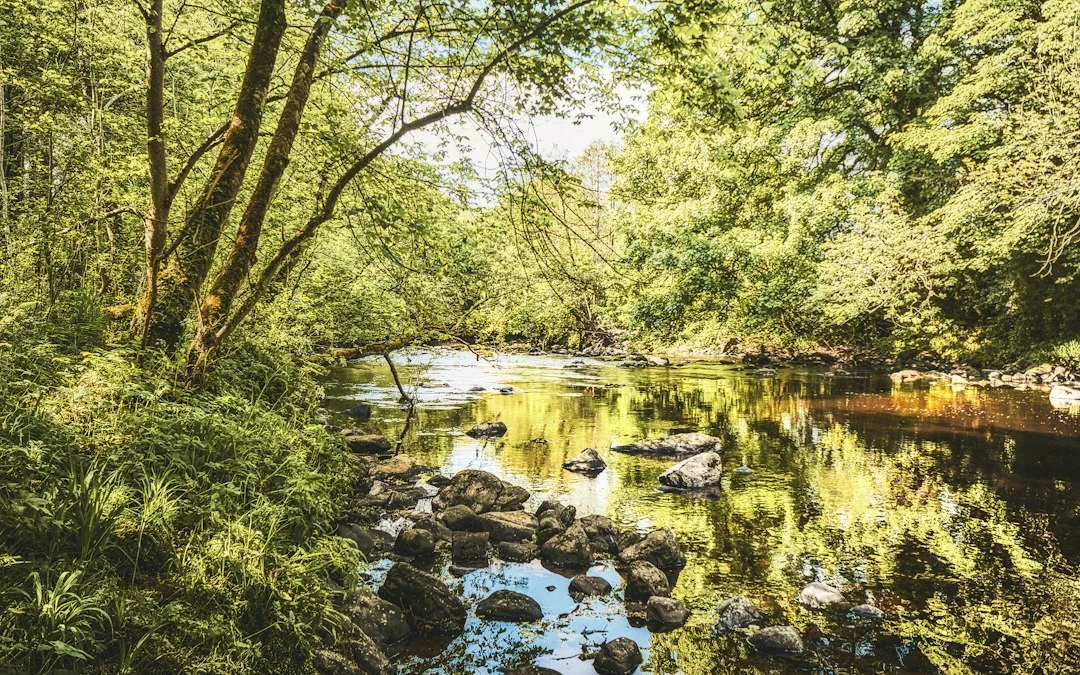
Walton County, located in the Florida Panhandle, is blessed with diverse ecosystems ranging from coastal dunes to inland forests. These ecosystems are home to a variety of plant and animal species, each playing a crucial role in maintaining ecological balance. However, the impact of climate change is becoming increasingly evident, threatening the stability of these natural environments.
Rising Temperatures and Their Effects
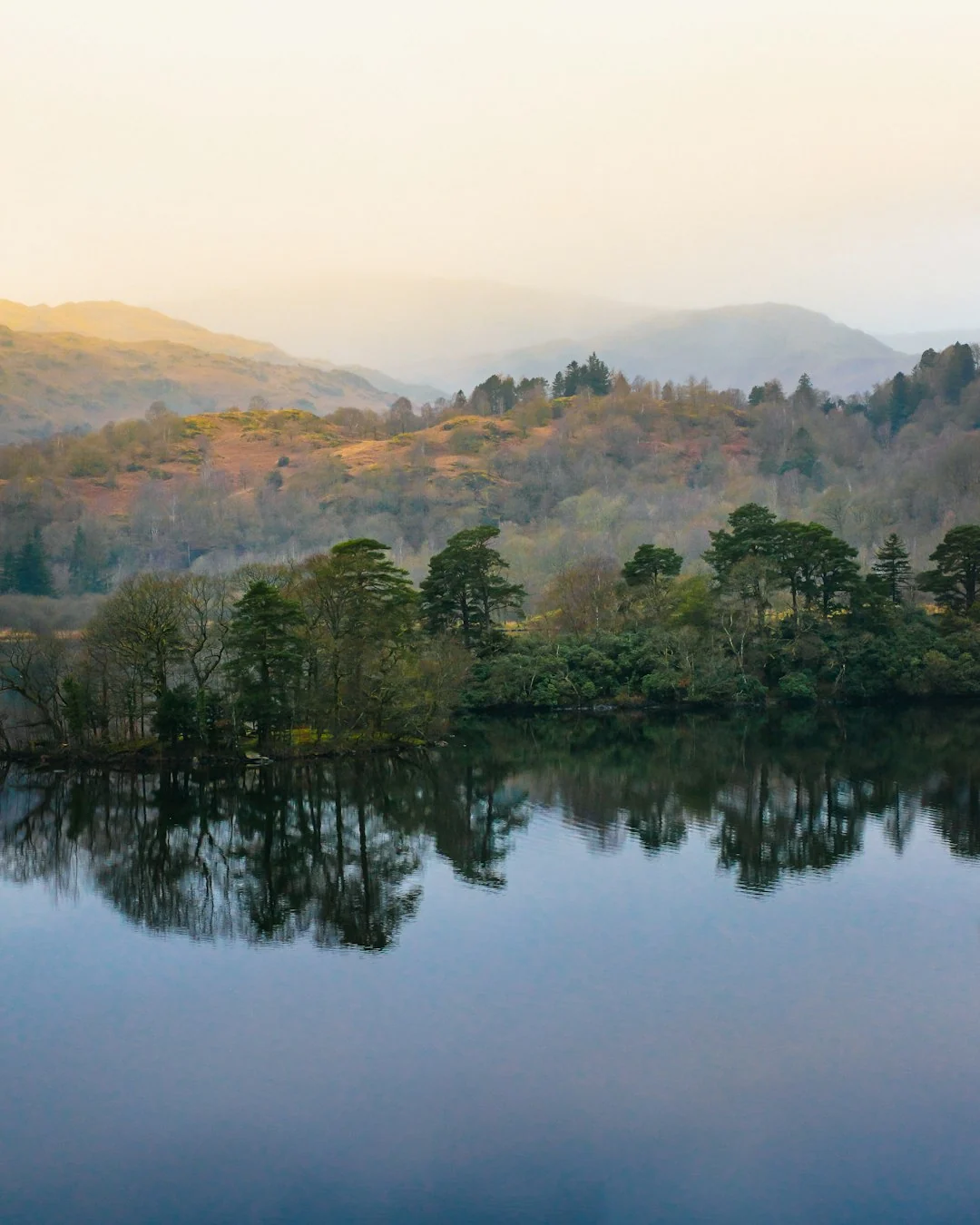
One of the most significant effects of climate change in Walton County is the rise in average temperatures. Warmer temperatures can disrupt the natural life cycles of species, leading to changes in breeding patterns and migration routes. This can have a cascading effect on the food chain, affecting predators and prey alike.
Moreover, increased temperatures can lead to higher rates of evaporation, which may reduce water availability in some areas. This is particularly concerning for wetland ecosystems that rely on consistent water levels to support their unique habitats.
Impact on Coastal Areas
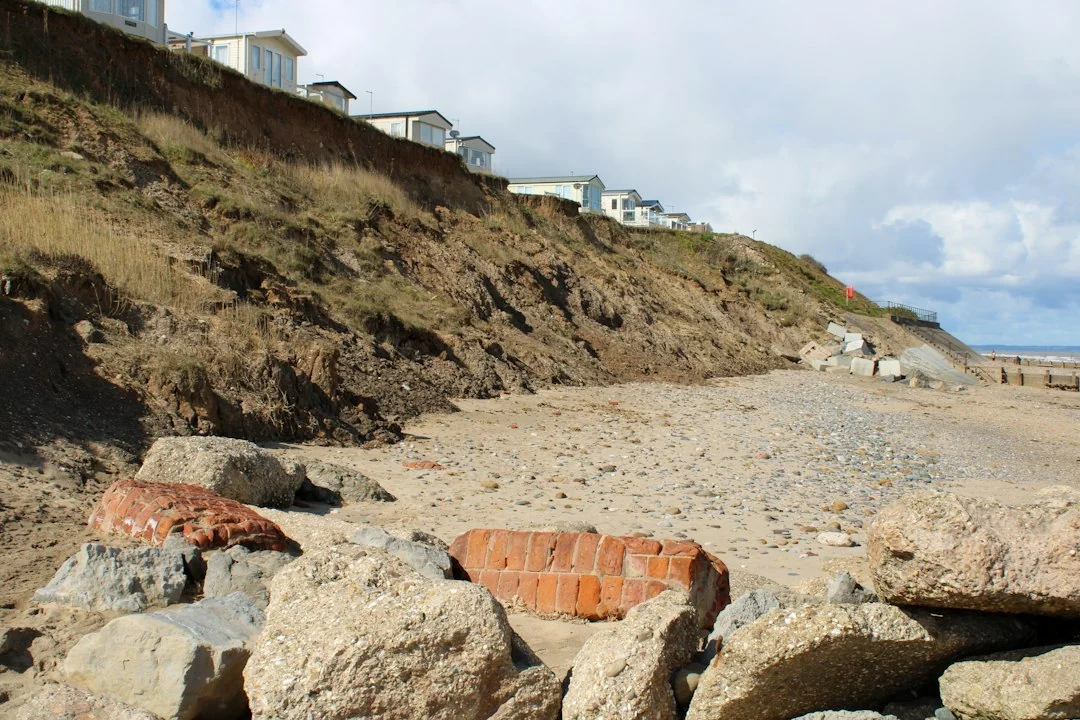
Coastal areas in Walton County are especially vulnerable to climate change. Rising sea levels, driven by melting polar ice and thermal expansion, threaten to erode beaches and submerge low-lying areas. This not only endangers local wildlife but also poses risks to human settlements and infrastructure.
Effects on Biodiversity
Biodiversity in Walton County is under threat as climate change alters habitats and weather patterns. Species that cannot adapt quickly may face extinction, leading to a loss of genetic diversity. This is particularly troubling for endemic species that are only found in specific regions.
Conservation efforts must focus on protecting these vulnerable species by creating wildlife corridors and preserving essential habitats. Such measures can help maintain biodiversity and ecosystem resilience in the face of climate change.
Changes in Vegetation
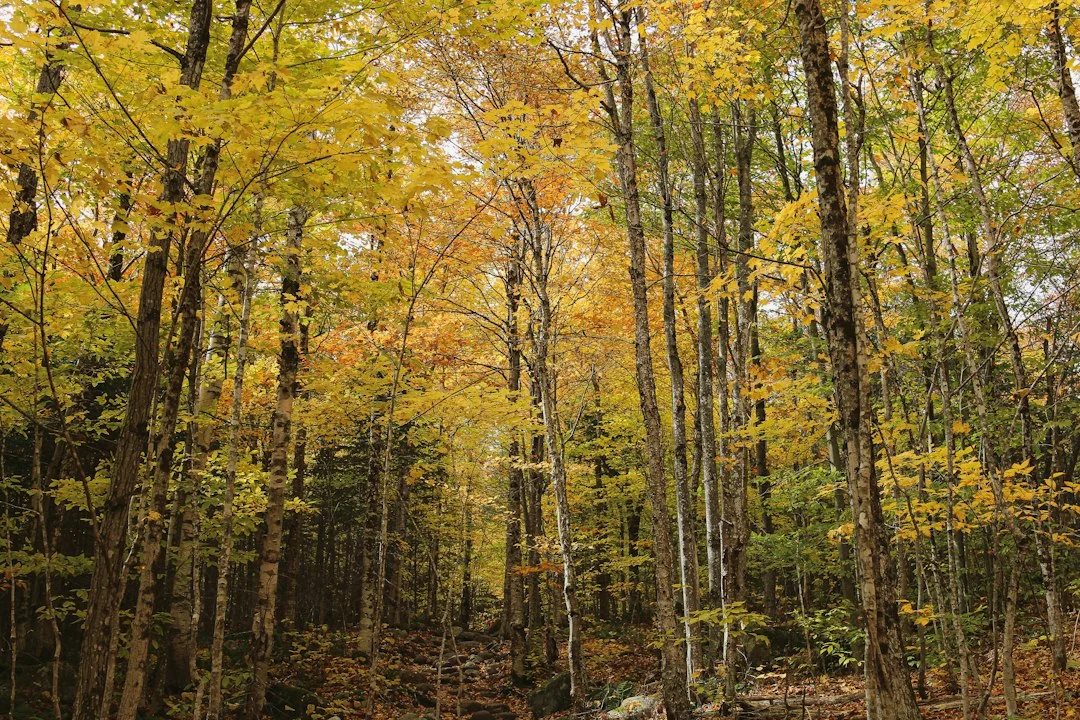
Vegetation patterns are shifting as a result of changing climate conditions. Some plant species may thrive under warmer temperatures and increased CO2 levels, while others may struggle to survive. This shift can alter the composition of forests and grasslands, impacting the species that depend on them for food and shelter.
Strategies for Mitigation and Adaptation
Addressing the impacts of climate change on Walton County's ecosystems requires a combination of mitigation and adaptation strategies. Mitigation involves reducing greenhouse gas emissions through renewable energy sources and energy efficiency measures. This can help slow down the rate of climate change and its effects on the environment.
Adaptation strategies are equally important and may include restoring natural habitats, implementing sustainable land management practices, and enhancing community resilience. Education and awareness programs can empower local communities to take action against climate change.
Community Involvement
Community involvement is crucial in combating climate change. Local residents can participate in conservation projects, support policies aimed at reducing carbon footprints, and engage in sustainable practices. By working together, the community can strengthen its efforts to protect Walton County's precious ecosystems.

Conclusion
Understanding the impact of climate change on Walton County's ecosystems is essential for developing effective strategies to protect them. By recognizing the challenges and opportunities presented by climate change, we can work towards a sustainable future for both the environment and the communities that depend on it.
Part of the EcoGuardian journal. This article retains its original publication context; references to grants, regulations, research, and services may have changed since publication.