Introduction to Ecosystem Services Evaluation
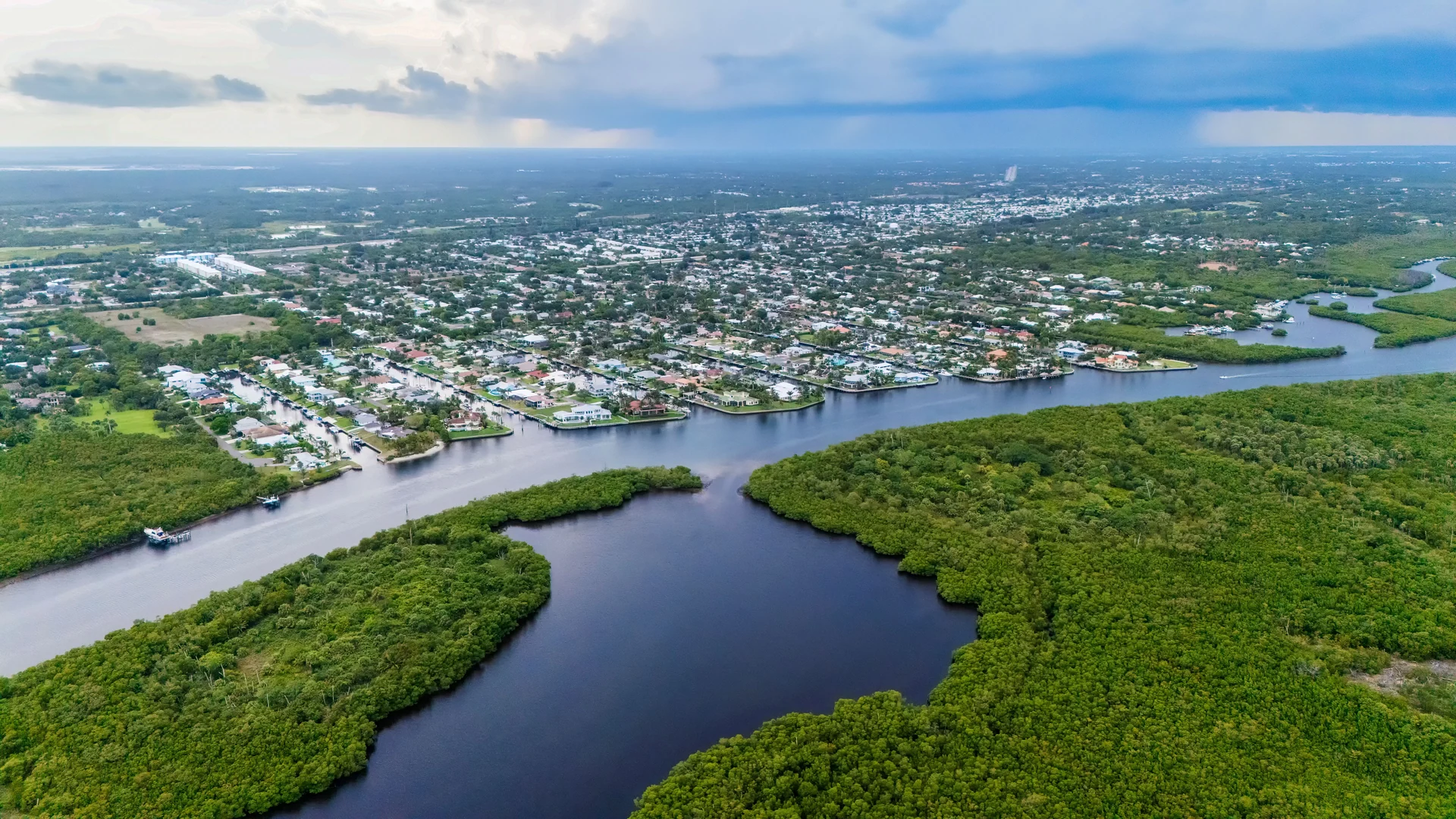
Florida's diverse ecosystems provide a wealth of services that are crucial for both the environment and human well-being. From the Everglades to the coastal mangroves, these ecosystems offer benefits such as water purification, carbon sequestration, and recreational opportunities. Understanding how to evaluate these services is essential for sustainable management and conservation efforts.
The Importance of Ecosystem Services
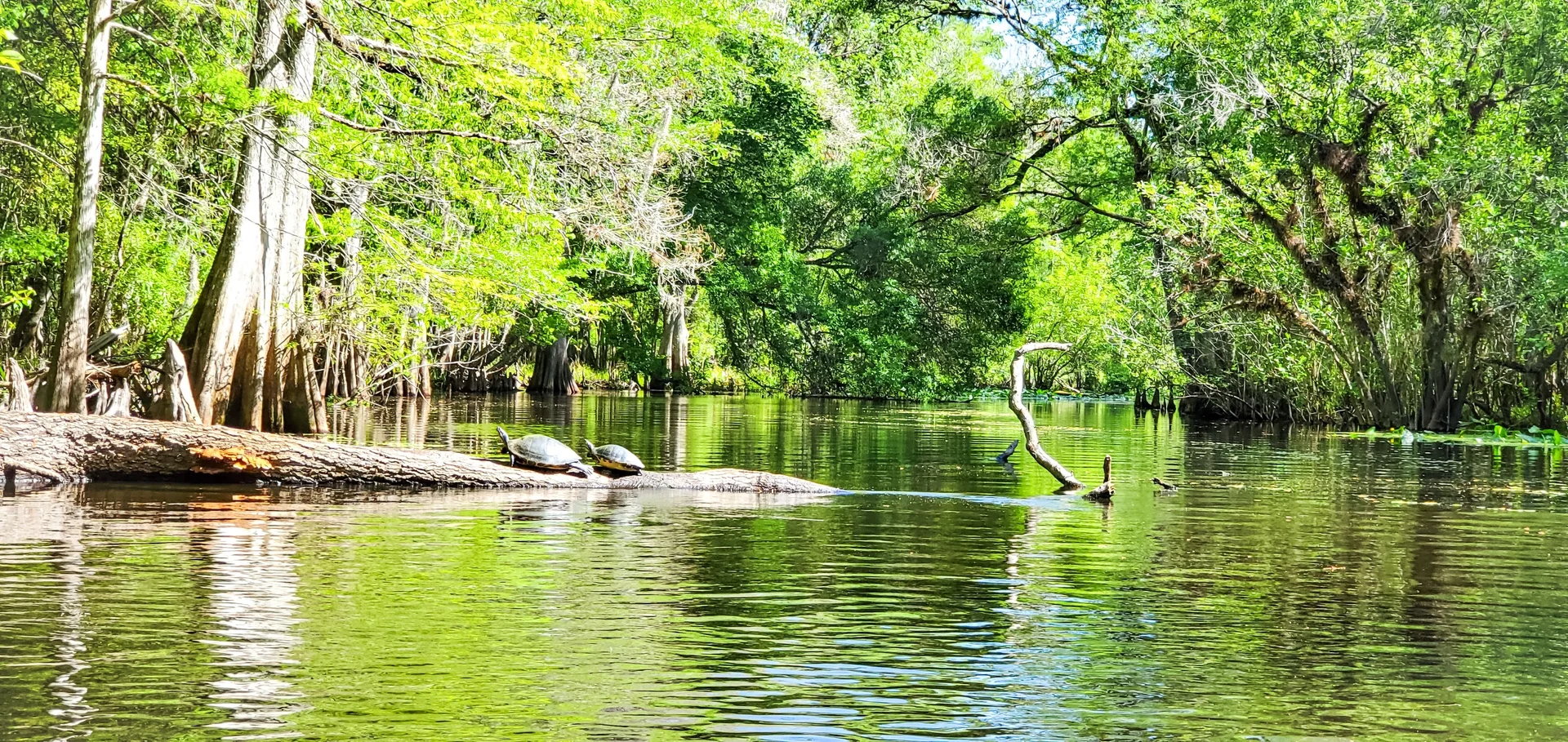
Ecosystem services are the benefits people obtain from ecosystems, and they are categorized into four main types: provisioning, regulating, cultural, and supporting services. In Florida, these services are particularly significant due to the state's unique geographical and climatic conditions.
Provisioning services include resources like fresh water and seafood, while regulating services involve climate regulation and flood control. Cultural services offer recreational and spiritual benefits, and supporting services include nutrient cycling and soil formation.
Challenges in Evaluation
Evaluating ecosystem services in Florida presents several challenges. The state's rapid urbanization and climate change impacts add layers of complexity to the assessment process. Additionally, the dynamic nature of ecosystems means that their services can vary over time and space, requiring adaptive management strategies.

Methodologies for Evaluation
Several methodologies are employed to evaluate ecosystem services. These include economic valuation, ecological assessment, and integrated approaches that combine various disciplines. Economic valuation often involves cost-benefit analysis and market pricing to quantify the monetary value of services.
Ecological assessments focus on understanding the ecological functions and processes that underpin these services. Integrated approaches aim to provide a holistic view by considering social, economic, and environmental factors.
Local Perspectives and Community Involvement
Incorporating local perspectives is vital for accurate evaluation. Engaging communities in Florida can enhance understanding and foster stewardship of local ecosystems. Community-based participatory research and citizen science initiatives can provide valuable insights into the local context and priorities.
Case Studies and Success Stories
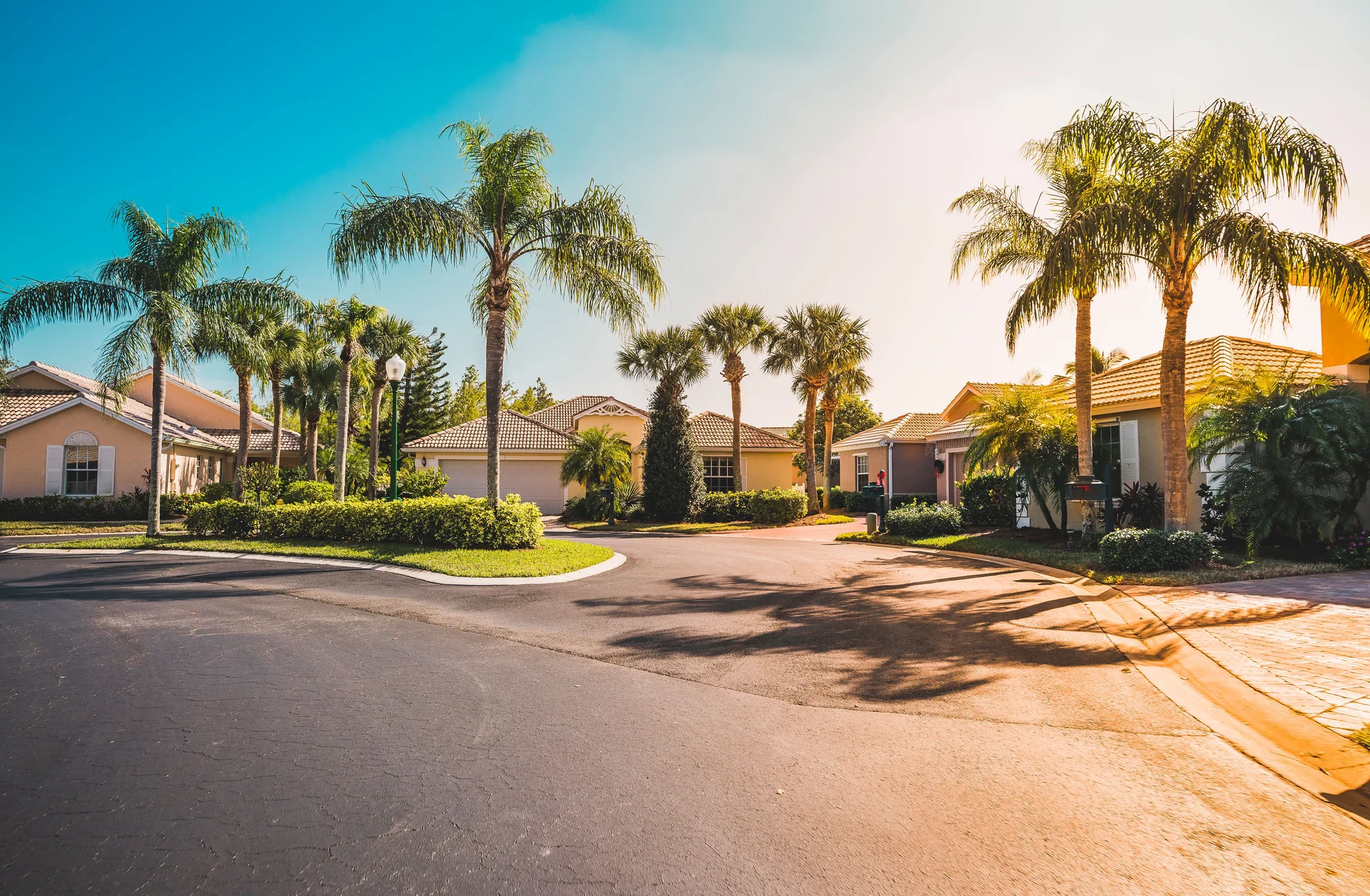
Several case studies in Florida highlight successful ecosystem service evaluations. For instance, projects in the Everglades have demonstrated the value of wetland restoration in improving water quality and supporting biodiversity. These initiatives underscore the importance of multi-stakeholder collaboration and evidence-based approaches.
Future Directions
Looking forward, ecosystem services evaluation in Florida will benefit from advances in technology and data analytics. Remote sensing and GIS tools can provide detailed spatial information, while big data analytics can enhance predictive modeling capabilities.
Moreover, fostering partnerships between government agencies, NGOs, and the private sector can drive innovation and resource sharing, ensuring the sustainable management of Florida's invaluable ecosystems.
Part of the EcoGuardian journal. This article retains its original publication context; references to grants, regulations, research, and services may have changed since publication.