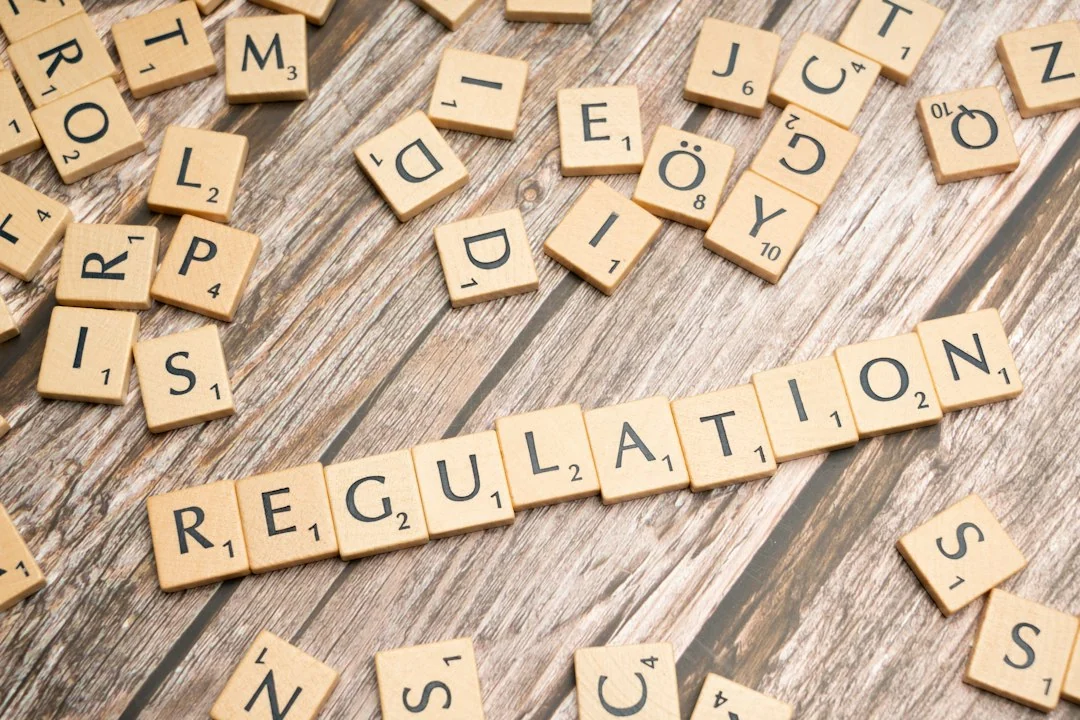
Walton County, known for its stunning natural landscapes, has implemented comprehensive environmental regulations to ensure the protection and sustainability of its ecosystems. For researchers and organizations planning scientific projects in the area, understanding these regulations is crucial.
The county's regulations are designed not only to preserve the environment but also to support scientific endeavors that can contribute to ecological knowledge and conservation efforts. Here, we provide an overview of the key aspects of Walton County's environmental regulations relevant to scientific projects.

Environmental Permits and Approvals
Before initiating any scientific project, obtaining the necessary environmental permits and approvals is essential. Walton County requires researchers to submit detailed project proposals that outline potential environmental impacts and mitigation strategies.
The permitting process involves a thorough review by local environmental agencies. These agencies assess the potential effects on local flora and fauna, water quality, and natural habitats. It is important to ensure that all documentation is complete and submitted well in advance to avoid delays.
Types of Permits
Depending on the nature of the project, different types of permits may be required. Common permits include:
- Land Use Permits: Necessary for projects that may alter land formations or vegetation.
- Water Use Permits: Required if the project involves using or impacting local water bodies.
- Wildlife Permits: Essential for studies that involve interaction with local wildlife.
Habitat Conservation and Restoration
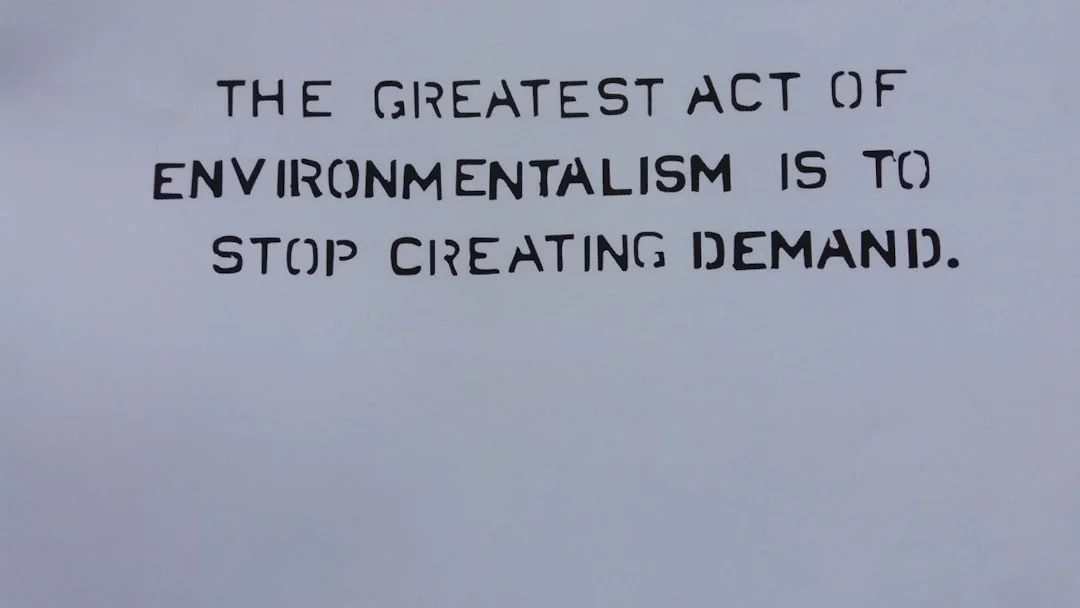
Walton County places a high priority on habitat conservation. Scientific projects must be designed to minimize disruption to natural habitats. Researchers are encouraged to incorporate habitat restoration techniques into their projects to enhance local ecosystems.
Projects that involve habitat restoration can benefit from county support and partnerships with local conservation groups. These collaborations can provide additional resources and expertise, ensuring the project's success and sustainability.
Collaboration with Local Communities
Engaging with local communities is a vital component of conducting scientific research in Walton County. By involving community members, researchers can gain valuable insights and foster a sense of stewardship among residents.
Community collaboration not only enhances the project's impact but also helps build trust and support for scientific endeavors. Hosting workshops, informational sessions, and volunteer opportunities can strengthen these relationships.

Monitoring and Reporting
Once projects are underway, continuous monitoring is required to ensure compliance with environmental regulations. Walton County mandates regular reporting on project progress and environmental impact.
Researchers must submit detailed reports that outline findings, any unforeseen impacts, and measures taken to address them. This transparency is crucial for maintaining the integrity of scientific research and environmental protection efforts.
Long-Term Impact Assessment
Assessing the long-term impacts of scientific projects is an integral part of Walton County's regulatory framework. This assessment helps determine the project's overall contribution to environmental conservation and guides future research initiatives.
By understanding and adhering to Walton County's environmental regulations, researchers can conduct meaningful scientific projects that contribute positively to the region's ecological well-being. Compliance not only ensures project success but also reinforces the county's commitment to preserving its natural beauty for generations to come.
Part of the EcoGuardian journal. This article retains its original publication context; references to grants, regulations, research, and services may have changed since publication.