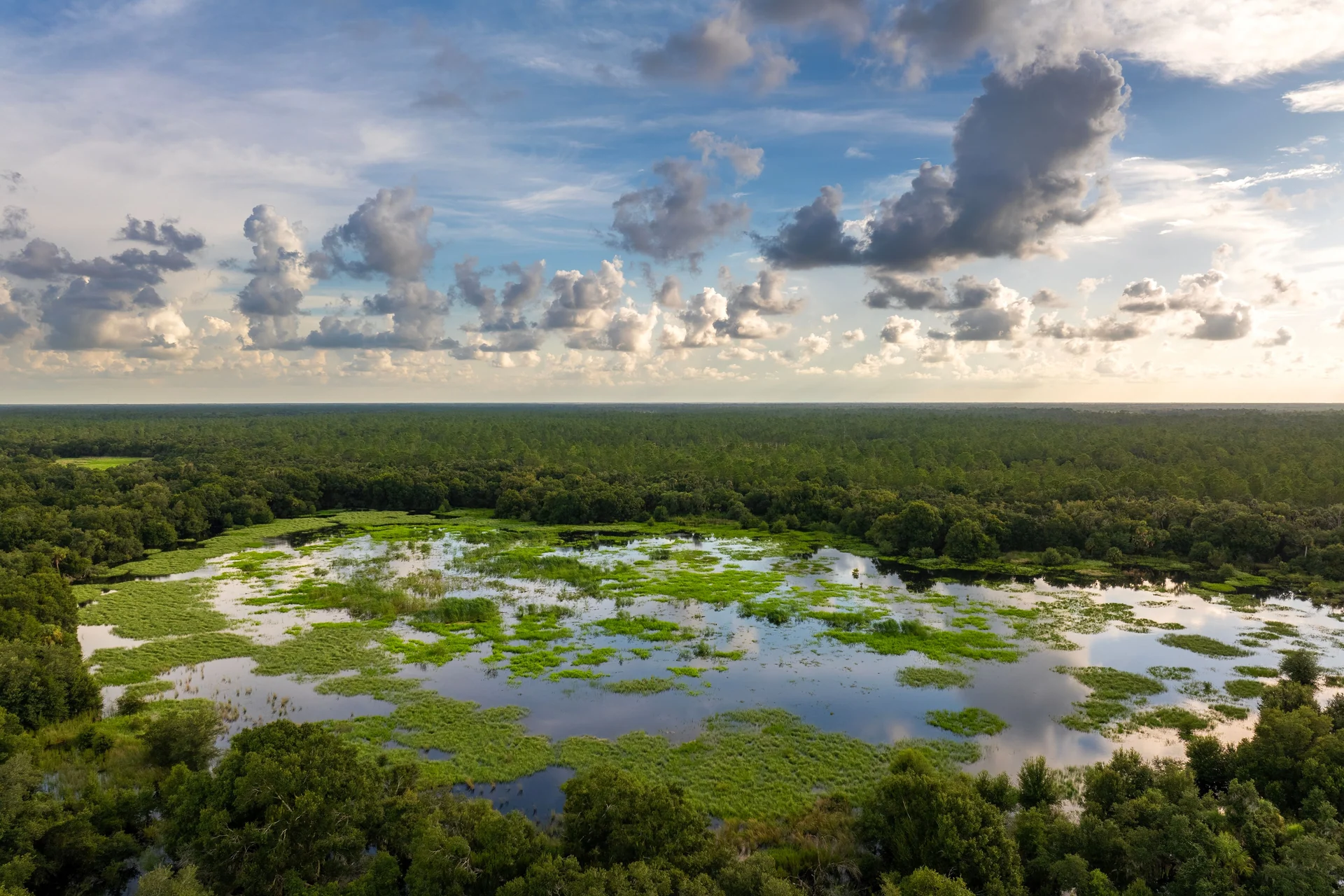
Florida is home to some of the most biologically diverse wetlands in the United States. These wetlands not only support a wide range of plant and animal species but also provide essential ecosystem services such as water filtration, flood control, and carbon storage. Unfortunately, many of these vital habitats have been degraded or destroyed over the years. Wetland restoration projects have become crucial for reversing these trends and preserving Florida's natural heritage.
Understanding Wetland Restoration
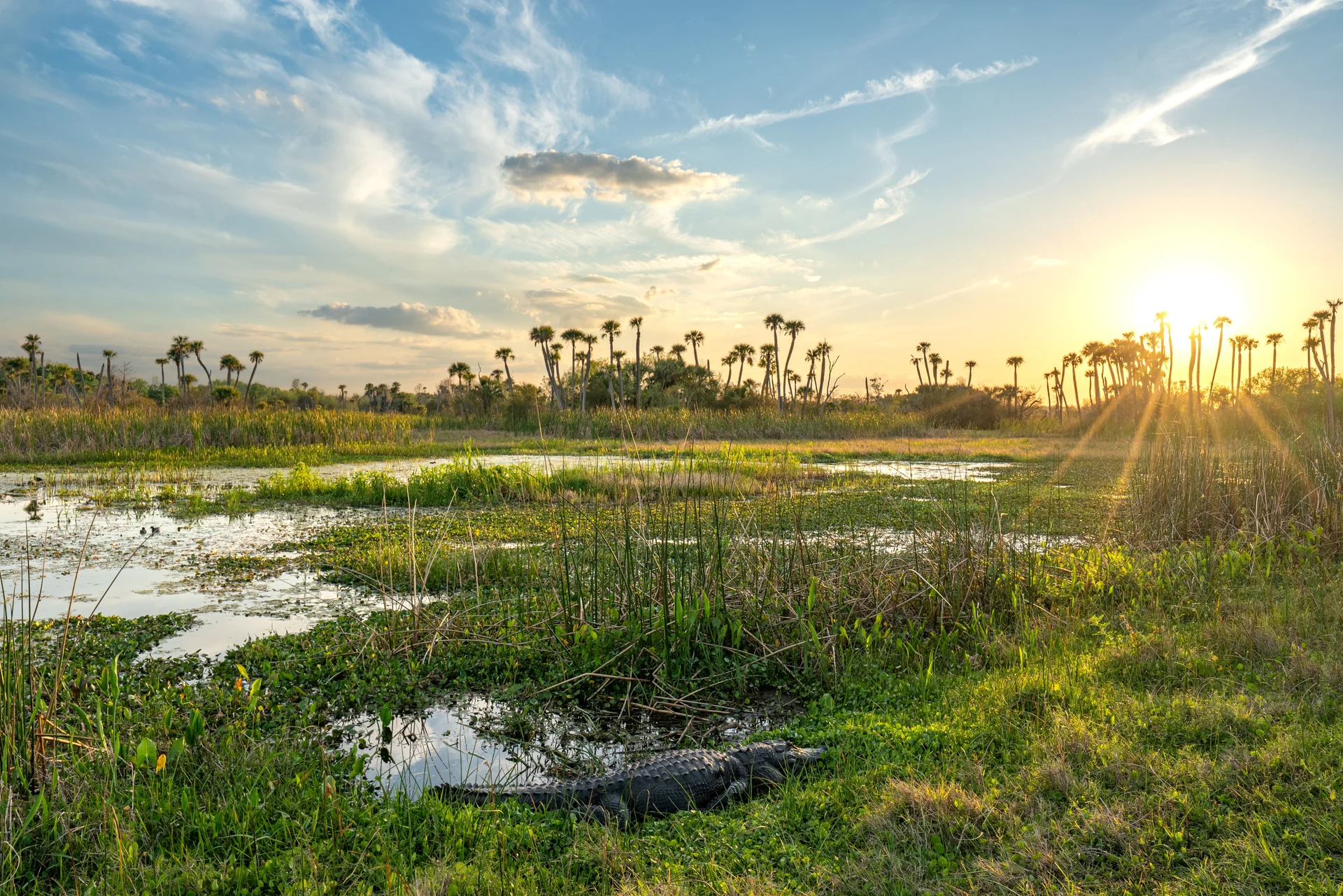
Wetland restoration involves returning a degraded wetland to its natural condition. This can involve re-establishing the natural water flow, removing invasive species, and reintroducing native plants and animals. The goal is to restore the wetland's ecological functions and enhance biodiversity.
In Florida, wetland restoration is particularly challenging due to the state's unique hydrology and climate. Projects must be carefully planned and implemented to ensure long-term success. Understanding the local environment and engaging with community stakeholders are essential components of any successful restoration effort.
Key Practices in Wetland Restoration
Successful wetland restoration projects in Florida often share several best practices:
- Site Assessment: A thorough assessment of the site is crucial to understand its current state and the extent of degradation.
- Hydrological Restoration: Re-establishing the natural water flow is often the first step in restoring a wetland.
- Native Vegetation: Planting native vegetation helps to stabilize soil and provide habitat for wildlife.
- Community Involvement: Engaging local communities ensures ongoing support and maintenance of the restored wetland.
Case Studies of Restoration Success
Everglades Restoration
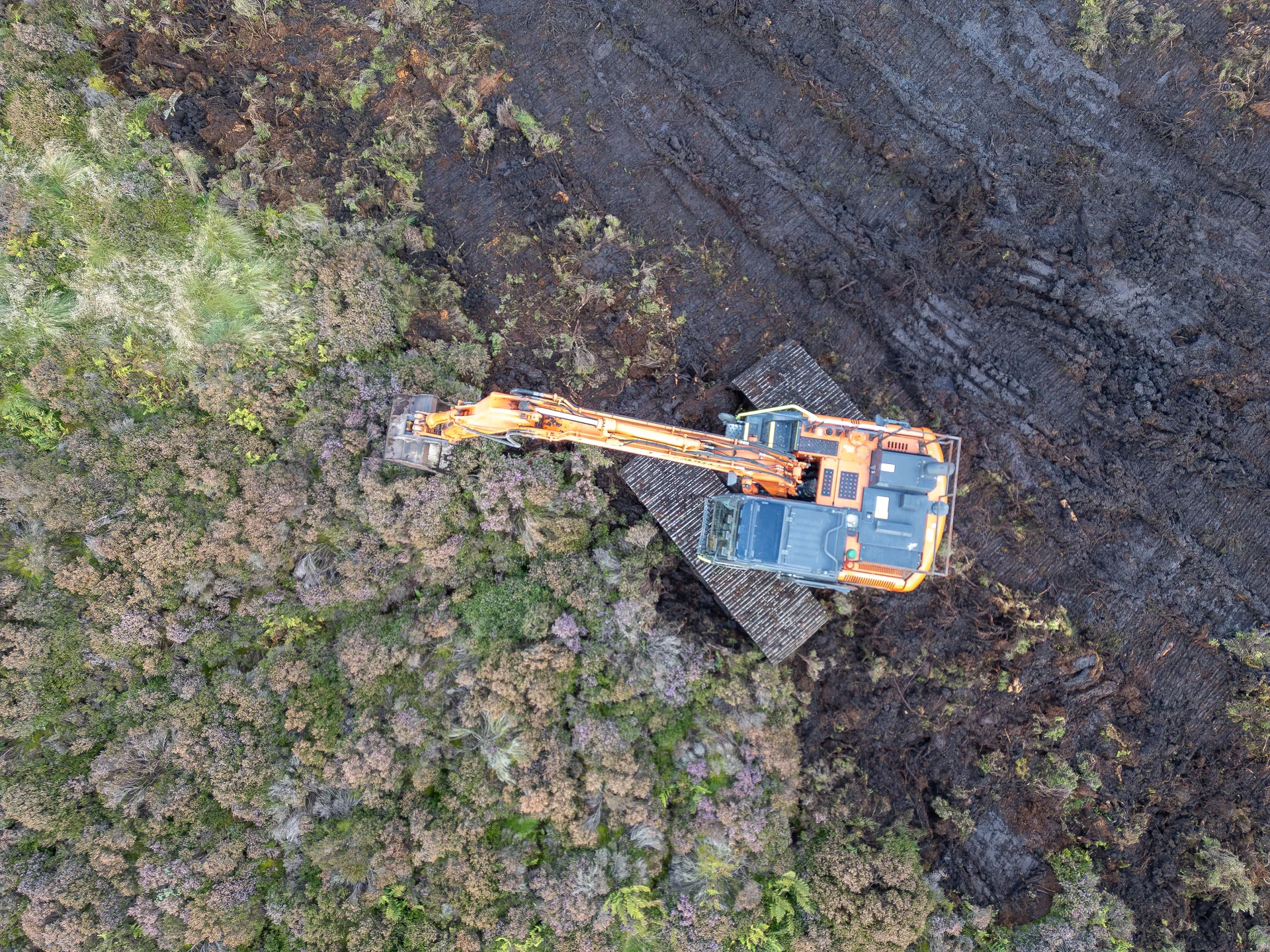
The Everglades is one of the most iconic wetlands in the world and has been the focus of extensive restoration efforts. The Comprehensive Everglades Restoration Plan (CERP) aims to restore water flow, improve water quality, and protect native species. This multi-decade project has already seen significant successes, including the rehydration of critical habitats.
Lake Apopka Restoration
Once suffering from severe pollution, Lake Apopka has been the focus of restoration efforts that have dramatically improved its water quality and biodiversity. The removal of invasive plant species and the reintroduction of native vegetation have been key strategies. The lake now supports a wide range of wildlife, including numerous bird species.
The Role of Technology in Restoration
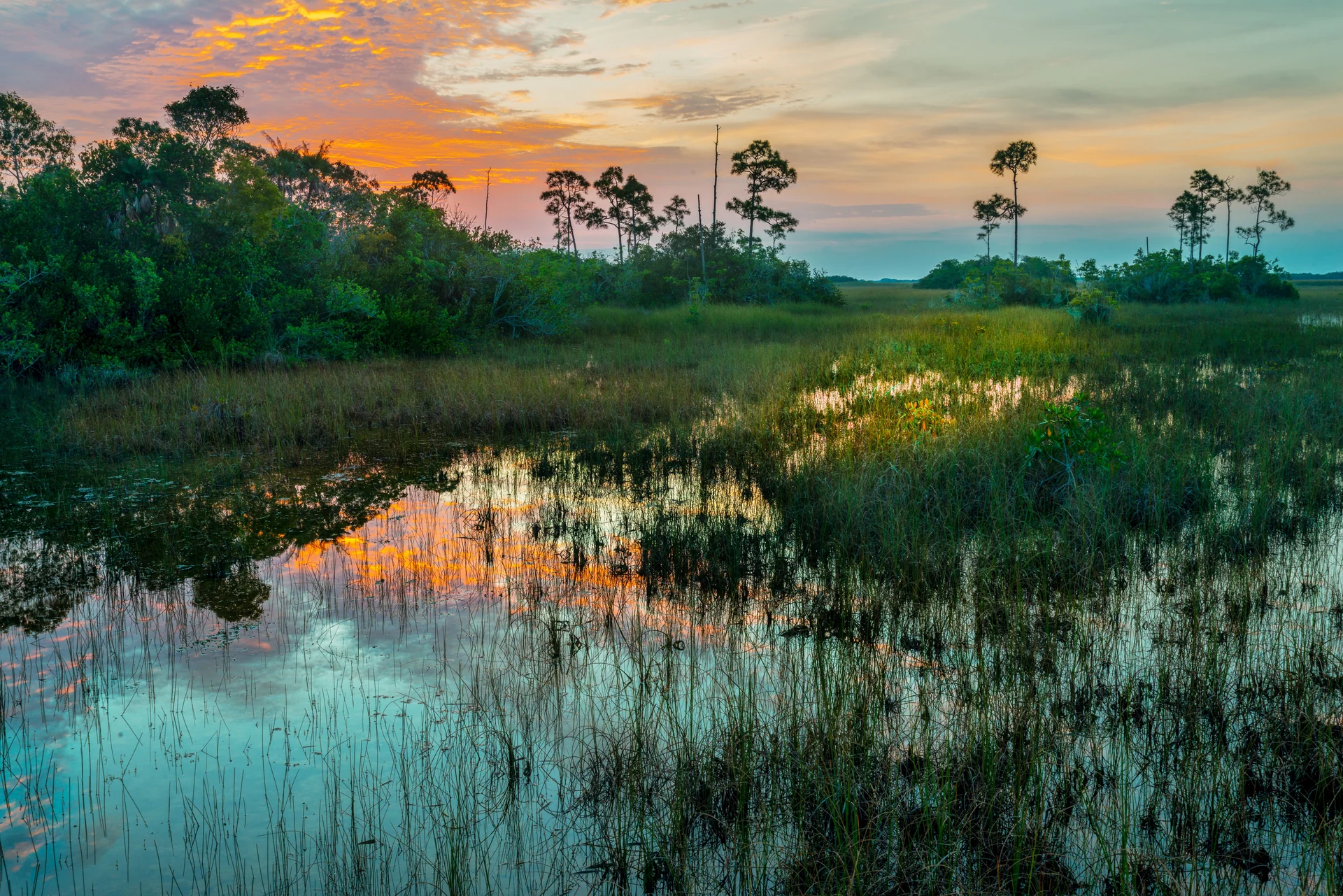
Technology plays an increasingly important role in wetland restoration. Advanced modeling tools help predict the outcomes of restoration efforts, while drones and satellite imagery provide detailed monitoring of project progress. These technologies enable more precise and efficient restoration practices.
Moreover, technology facilitates better data collection and analysis, allowing for adaptive management. This means that restoration strategies can be adjusted in real-time based on observed changes in the wetland ecosystem.
Conclusion
Wetland restoration projects in Florida are vital for preserving the state’s unique ecosystems and the services they provide. By following best practices and learning from successful case studies, these efforts can lead to significant ecological benefits. As technology continues to evolve, it offers new tools and approaches to enhance the effectiveness of restoration projects. The collaboration between scientists, policymakers, and local communities remains essential in these endeavors, ensuring that Florida's wetlands continue to thrive for generations to come.
Part of the EcoGuardian journal. This article retains its original publication context; references to grants, regulations, research, and services may have changed since publication.