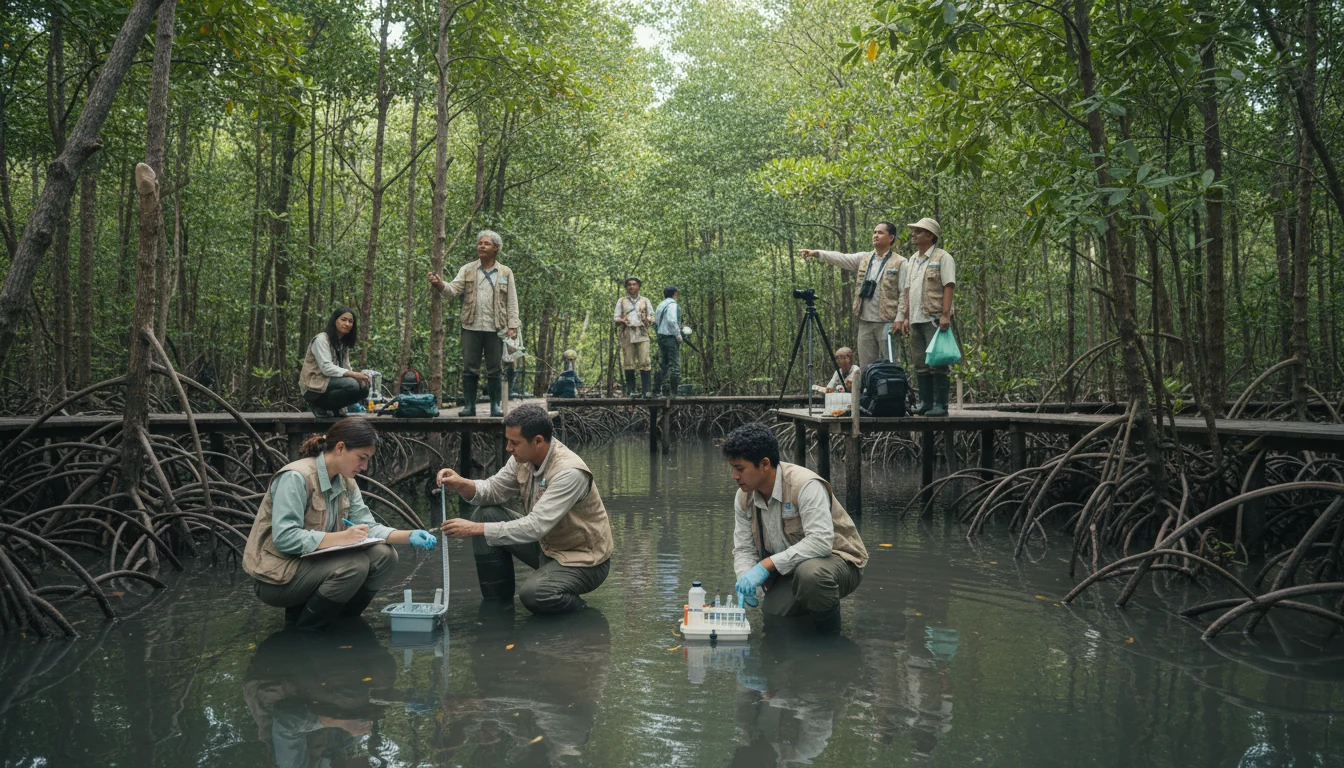
Florida's wetlands are vital ecosystems that support a diverse range of plant and animal species, provide natural flood control, and improve water quality. Over the years, human activities have led to the degradation of these essential habitats. However, numerous wetland restoration projects across the state have successfully revitalized these areas, offering both environmental and economic benefits.

Importance of Wetland Restoration
Wetlands serve as the kidneys of the landscape, filtering pollutants and providing clean water for nearby communities. They also act as buffers against hurricanes and floods, absorbing excess water and reducing the impact of natural disasters. By restoring wetlands, Florida not only preserves its natural beauty but also enhances the resilience of its communities.
Economic Benefits
Restored wetlands contribute significantly to Florida's economy. They boost tourism, particularly ecotourism, by attracting visitors interested in bird watching, fishing, and exploring nature trails. Additionally, healthy wetlands support local fisheries by providing crucial breeding grounds for various aquatic species.
Success Stories
One notable success story is the restoration of the Everglades. Through extensive efforts, including the Comprehensive Everglades Restoration Plan, significant strides have been made to restore water flow and improve the area's health. This project has set a benchmark for wetland restoration worldwide.
Kissimmee River Restoration
The Kissimmee River Restoration Project is another remarkable achievement. By reestablishing the river's natural meandering flow, this initiative has restored over 40 square miles of wetlands, leading to increased biodiversity and improved water quality. It has become a model for similar projects globally.
Lessons Learned
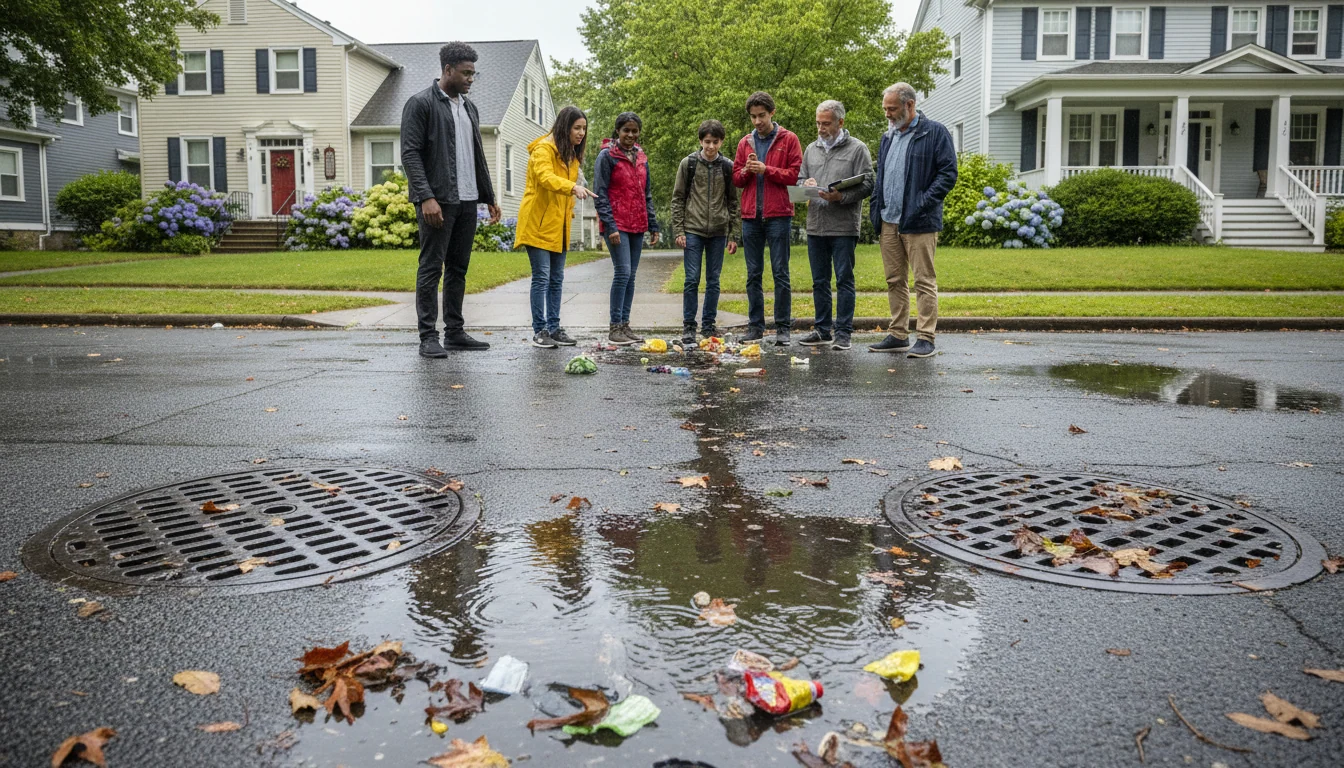
The success of these projects has provided valuable lessons for future restoration efforts. One critical takeaway is the importance of community involvement. Engaging local communities ensures sustained support and fosters a sense of ownership, which is crucial for long-term success.
Adaptive Management
Another lesson is the need for adaptive management. Restoration projects must be flexible and responsive to changing conditions and new scientific insights. This approach allows for adjustments in strategies and techniques, ensuring that restoration efforts remain effective over time.
- Continuous monitoring is essential for assessing progress.
- Collaboration with scientists and stakeholders enhances project outcomes.
- Funding and policy support are critical for sustained efforts.
Future Prospects
As Florida continues to prioritize wetland restoration, the future looks promising. Innovative projects and increased awareness of environmental issues are paving the way for more comprehensive restoration plans. By learning from past successes and challenges, Florida can ensure the preservation of its precious wetlands for generations to come.
Part of the EcoGuardian journal. This article retains its original publication context; references to grants, regulations, research, and services may have changed since publication.